Wendell Osgood
Fictional. Generated by AI — not a real person, and no likeness of one is intended.
64, retired in Eastern Kentucky · rolled by @wendell.osgood · card — no film
History
who has worn him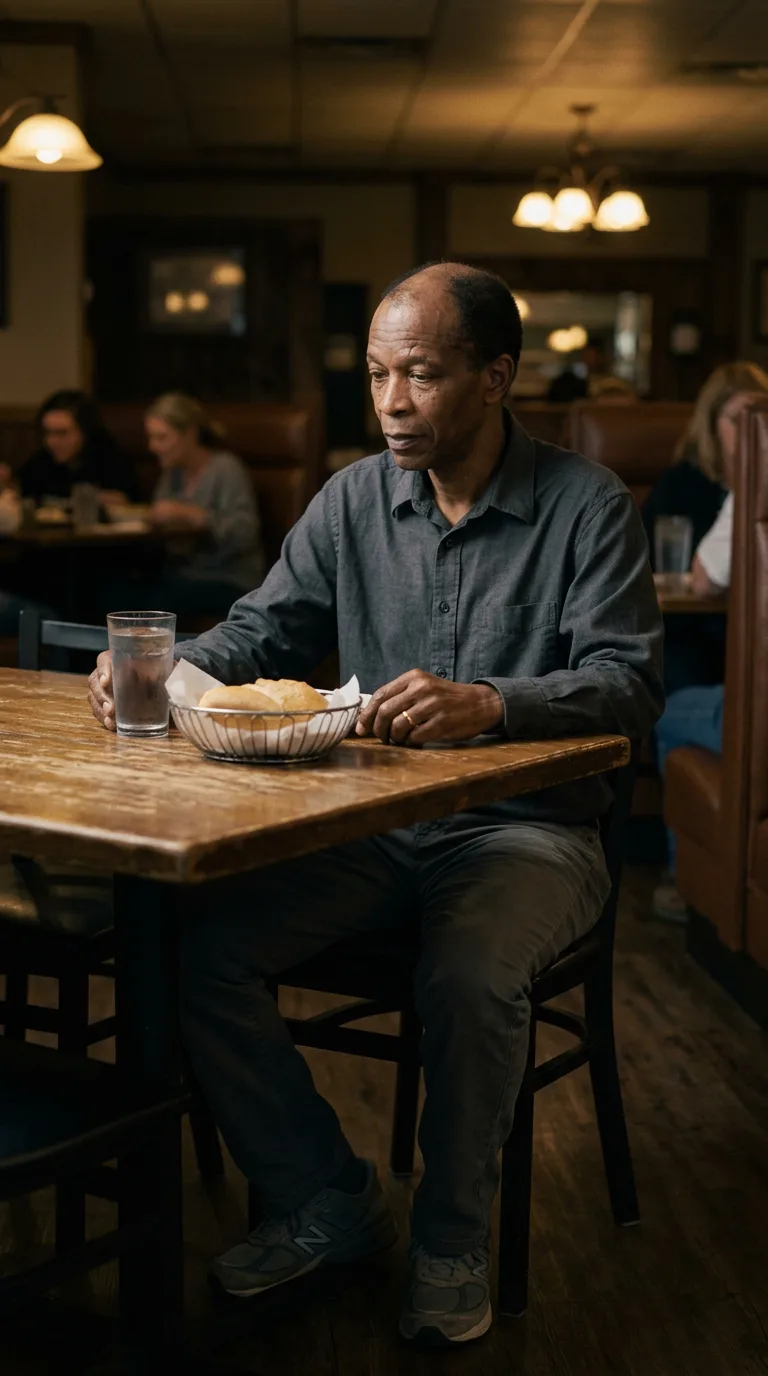
Rarest thing about him: Widowed — rare, 1 in 25
Season 0seed 628617407 · engine v10
Character card
lineage IAELUT
His body-swap story
@wendell.osgood rolled the wheel on and woke up as Wendell Osgood — their first
The screen is the only light left in the room and you have been in front of it since work let out, the way you have been most Fridays, thumb going and going over things you don't remember a second after they pass. It's a dull night. It's always a dull night, lately, and that's fine, that's the cover for it — because underneath the dullness is the thing you have wanted since you were a kid catching the tail end of a movie about a man who wakes up in someone else's life: the wanting to be put somewhere else, inside someone else, just once, just to know what it's like from behind different eyes. You never thought it was for sale. Then a name comes up sideways, the way these things do, vessel.cards, and there's a wheel on the page, plain as a raffle, and you don't believe it, and you pay anyway, because not believing something costs nothing and the wheel is right there.
You spin.
There is no in-between. There is a restaurant, low gold light, a bread basket nobody has touched, and a water glass under your hand — his hand, already, though you don't know that word yet, you only know the weight of a body arriving around you like a held breath let out. You are mid-sentence. You are mid-apology. You feel the back half of it still sitting in the throat that is suddenly yours, and it comes out of you anyway, finished, pointed, louder than the room, and a woman across the table blinks and the people at the next table look over and the glass turns a quarter under your fingers and goes still.
Nobody notices anything happened. That's the part you weren't ready for — that it doesn't announce itself, that it just is now.
The shirt is what gives him to you first. Gray chambray, long sleeves rolled to nothing, buttoned to the second-from-top — and the memory comes with the cloth against your back: standing in front of a dresser mirror that morning, in a house too quiet at both ends of the day, pulling this exact shirt on one arm at a time, the left sleeve catching on the wedding band the way it always does, the way it has for years now, the ring that never came off even after there was no reason left to keep it on. Wendell Osgood, sixty-four years old, a name that arrives with the shirt like it was folded into the collar. Divorced from nothing — widowed, and there's a difference his body knows in the shoulders, a difference in how he holds still.
The chair under you is a diner chair, and his knees know it, the particular give of it, the ache low in the right one that a man his age carries up two porch steps every morning without thinking about it. High blood pressure lives in him too, a low hum you feel now as a kind of care behind the sternum, a doctor's voice reciting numbers he mostly ignores. His hands — thin, dry-knuckled, the nails bitten short and uneven, ragged at the corners where he worries them without meaning to — go to the water glass again and you feel decades of habit in the small motion, worry translated straight into fingers before it ever reaches the mouth.
More comes, unbidden, the way it does when a hand finds a thing that used to matter: his wife's hand in this one, years back, at a different table, laughing at something he can no longer hear the words of, only the shape of the laugh; two kids, grown now, living lives he keeps up with mostly through phone calls that are shorter than he'd like; thirty-some years of work he was fine at, never loved, retired from without much ceremony; the porch of the house across the creek, cable footbridge swaying under his boots on slow mornings, coffee going cool in a mug shaped like it belongs in his hand and only his hand. The scar through his eyebrow — a wood shop, a young man's carelessness, forty years gone and still the first thing anyone says when they mean to say nothing about it.
And under all of it, tonight: a woman across the table he met through an app his daughter set up for him, an evening that started polite and has been dying by degrees for the last forty minutes, an apology forming in his own mouth for something small — being late, being quiet, being a man still learning how to sit across from someone who isn't her — and then nothing. Then you.
You look down at his hands on the glass, nails bitten to the quick, the band catching the low light, and you turn them over slowly like you're checking they're real, like this is the part nobody warned you about — how much a stranger's hand can feel like a fact.
You lift your eyes to hers, but really it's the room, really it's whoever might be watching, and you say, in his voice, carrying too far again: "I don't think I finished that thought the way I meant to."
Somewhere behind that sentence is the wheel, waiting, and no clock on it at all.