Terrence Boykin
Fictional. Generated by AI — not a real person, and no likeness of one is intended.
40, warehouse picker in Houston · rolled by @owen.prescott · card — no film
History
who has worn him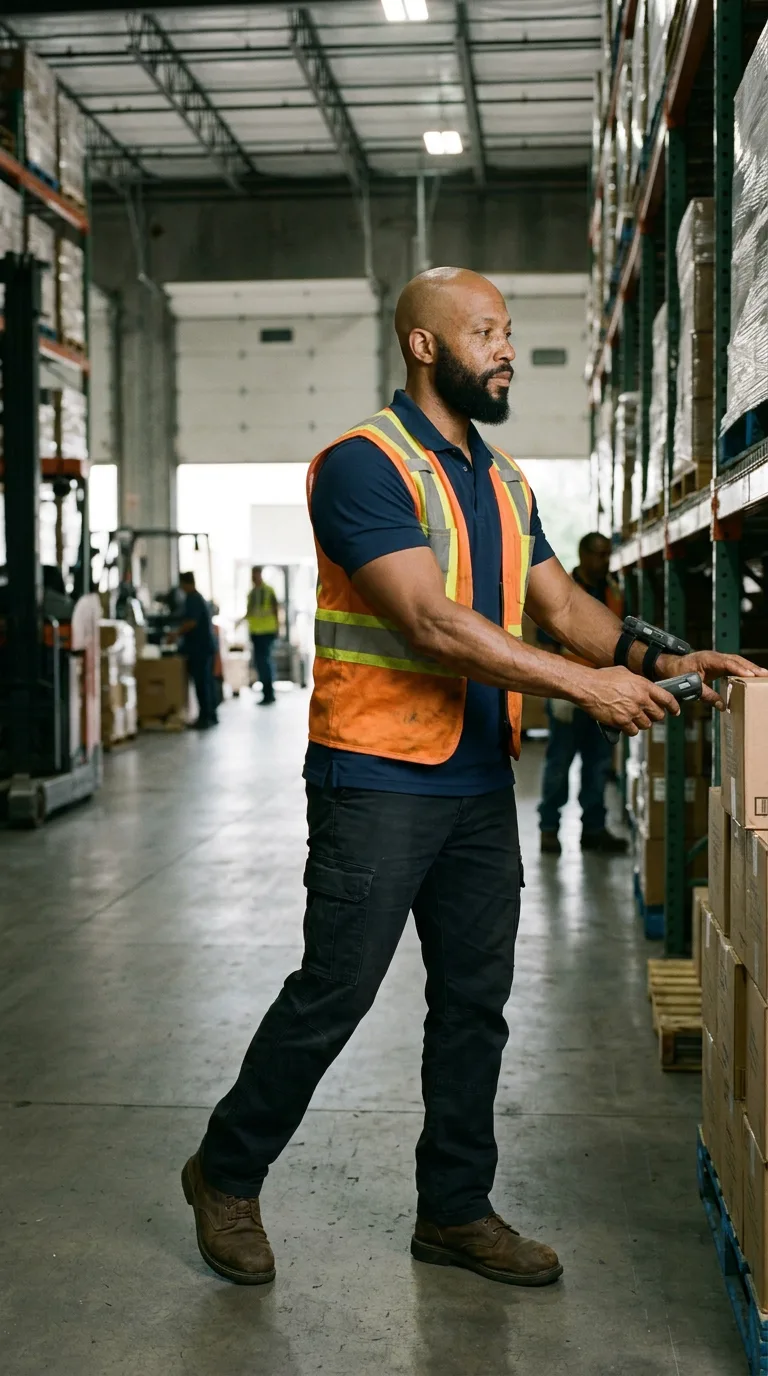
Rarest thing about him: Historically Black Protestant — common, 1 in 25
Season 1seed 1707390647 · engine v11
Character card
lineage 5OR92V
His body-swap story
@owen.prescott, wearing Neil Standish, rolled the wheel on and woke up as Terrence Boykin, spent under a minute in him, then spun the wheel and woke up as Dwight Kuykendall
You are leaving Neil Standish, and you are doing it before the coffee is done. The turbine tower is a forty-minute drive from here and you can already feel the climb in his thighs, the harness bruise along his hip, the quiet of a house at five in the morning in Phoenix with the sky going the color of dishwater. Hazel eyes in the dark window over the sink. A beauty mark you keep touching with your tongue-tip habit, his habit, to the corner of his lip. He is fine. He is a good body, a working body. But he has a wife's voice on the answering machine, and that was in the cabinet drawer, and you opened the drawer. You did not mean to. You are not going to say what it said. You pay, you spin, you do not look at the card.
Then a racking aisle, and the beep of a forklift somewhere you can't see.
You are standing mid-reach. Your right arm is out, the scanner in your left hand an inch from a cardboard label, and the motion is already wrong. You have done it wrong, half a second of wrong, and the body knows it before you do. So you do it again, slowly. Scan. The little chirp. Correct. Ten more follow, each one checked, thumb, trigger, read the screen, and the body doesn't object. It has done this ten thousand times and is surprised to be watched.
The vest is the first thing that talks. Orange, stiff at the seams, a smell of dust and old sweat and the cheap detergent from the jug under a sink. Your shoulders settle into it and you see a morning: his hands, not yours, pulling the navy polo off a hanger in a dim bedroom, the third button always loose, the collar he flips with two fingers. Cargo pants, black, the left pocket's zipper that sticks. He sits on the edge of a bed to lace the brown boots, and the left knee clicks, and he says a short prayer into the laces, not a performance, just the habit of a boy raised in a church with folding fans. Lord, let it be an easy one.
The boots give you concrete. Eleven hours of it, a decade of it, the arches aching in a way he stopped noticing at thirty. Forty years old and five-five and every pound of him is earned: the shoulders tight and hot from lifting, the forearms ropy, the back low and tired. Your thumb finds the bare place on his ring finger, a pale band of skin the sun never reached, and the memory comes up without warning. A kitchen. A woman laughing with her head thrown back, three kids shrieking under the table over a dropped spoon, and a feeling in his chest so big it has no name. Then a different kitchen, years later, the ring set down beside a stack of papers with great care, as if it might break. He still drives past her street. He has not told anyone that.
The scanner strap bites his wrist. In its plastic ridges there is a cigarette, behind a gas station in his thirties, the first drag and the last one he quit, eleven years ago, and the hunger for it still sits under his tongue like a coin. His beard is damp from the air. The freckles on his cheeks itch in the heat. Somewhere a kid's drawing is taped inside a locker, and his heart knocks once, hard, for it.
You lift your hand. Turn it over. Palm, calluses, the pale line.
You look up, and say, quietly, "Okay, Terrence. Show me."
And under it, already, the question: how long do you get to keep him?