Sanjay Prakash Doshi
Fictional. Generated by AI — not a real person, and no likeness of one is intended.
60, prison guard in Chicago · rolled by @colton.mabry · card — no film
History
who has worn him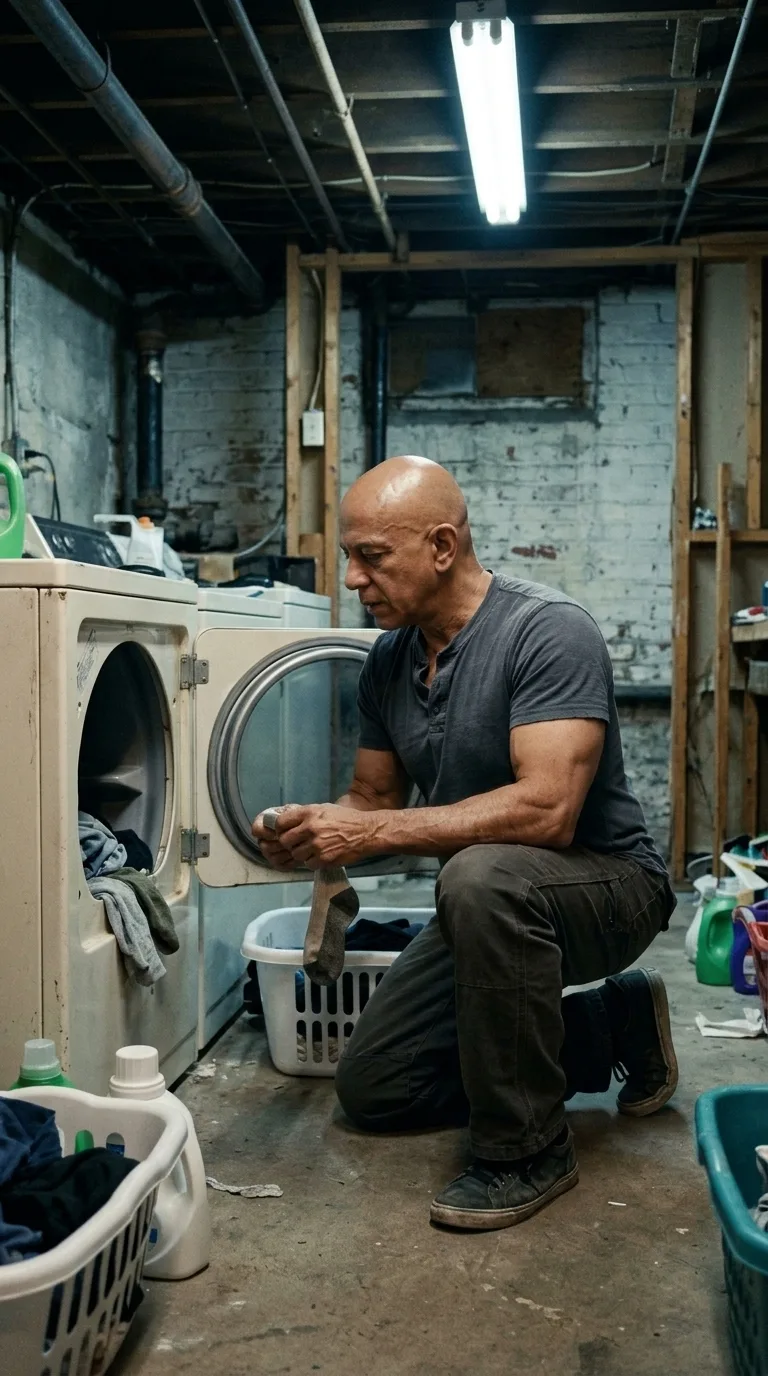
Rarest thing about him: Hindu — common, 1 in 82
Season 1seed 805817474 · engine v11
Character card
lineage W9ENQB
His body-swap story
@colton.mabry, wearing Colton Mabry, rolled the wheel on and woke up as Sanjay Prakash Doshi
You are standing in Colton Mabry's kitchen, and the truck keys have been in your hand for a minute. Forty-seven days and seven hours. He is twenty and his knees never complain. The house has gone quiet the way Texas goes quiet on a Monday night, with crickets and a refrigerator and nothing else. You had every reason to be happy in him. You can run a mile without noticing it. Tonight you noticed that you've stopped noticing, and that was the reason. The wheel is a page on a phone, and your thumb is already on it. You pay. You spin. You don't say goodbye to the kid, because there is nobody left in there to hear it.
Then a hum overhead, and you are crouched.
Concrete under the soles. A fluorescent tube buzzing. Your knees are bent deep and they tell you at once that they are sixty. One sock is in your fingers, still warm, and the dryer door is open beside your face with its breath of lint and heat. The air smells of detergent and cold brick.
The shirt is the first thing that talks. Soft gray cotton, the henley, worn thin across the shoulders. The morning comes up through it: his arms going through the sleeves in the dark, one and then the other, and a woman's breathing in the next room, so he moves quietly. He does the buttons at the neck last. He always leaves the top one open. The feeling that rides with it is plain tiredness, and under that something steady, like a man who has decided to be fine.
The sock gives you more. It is gray, with a thin heel, and your thumb finds the worn place before you've looked. A boy's foot, small, and him kneeling to work a sock like this onto it. A daughter, impatient and laughing. A son's pair is bigger, and a different year. Both of them are grown now, and the grown-ness aches in his chest like a pulled muscle.
The floor is his too. The basement concrete is cold through the shoes, and the cold carries the building with it, brick and steel. Above you a train goes over, and the pipes hum with it. Under the L tracks the winter light comes in thin, and he has lived inside that noise for decades. You feel the gate then, a corridor of painted cinderblock and the keys on his belt. Thirty years of other men's doors. He is not cruel, and it was never a job he loved. He did it because it paid, and because he was dependable, and because nobody ever asked what else he might have been.
His hands will not be still. You notice it as the sock turns over in them, and they've already started reaching for the next thing. They know how to work without being told. They want to square corners. They are already moving toward the basket.
Your tongue finds the gap between his front teeth, and a whole life of that comes with it: a school photograph, a joke, a woman touching it with her thumb and calling it his. There is a small shrine upstairs, a brass lamp and a marigold going brown. His mother's voice says a prayer you almost know. He doesn't drink much. He has never smoked. There is almost no money, and he has never minded it as much as he thought he would.
You stand, and the knees crack. You lift your hands in front of you.
They are brown and broad, calloused across the palms, the knuckles thick, and a sock still hangs from one of them. You turn them over. They are not yours. They are yours now.
You look up, into whatever is looking back, and you say it quietly, with his voice, gravel and a little whistle through the gap:
"Okay. Let's see how long you last."
The dryer ticks as it cools. Upstairs a floorboard moves under someone's weight. You don't know if you will be him tomorrow, or in an hour, or only until the wanting comes back.