Ronald Pacek
Fictional. Generated by AI — not a real person, and no likeness of one is intended.
55, firefighter in Pittsburgh · rolled by @ronald.pacek · card — no film
History
who has worn him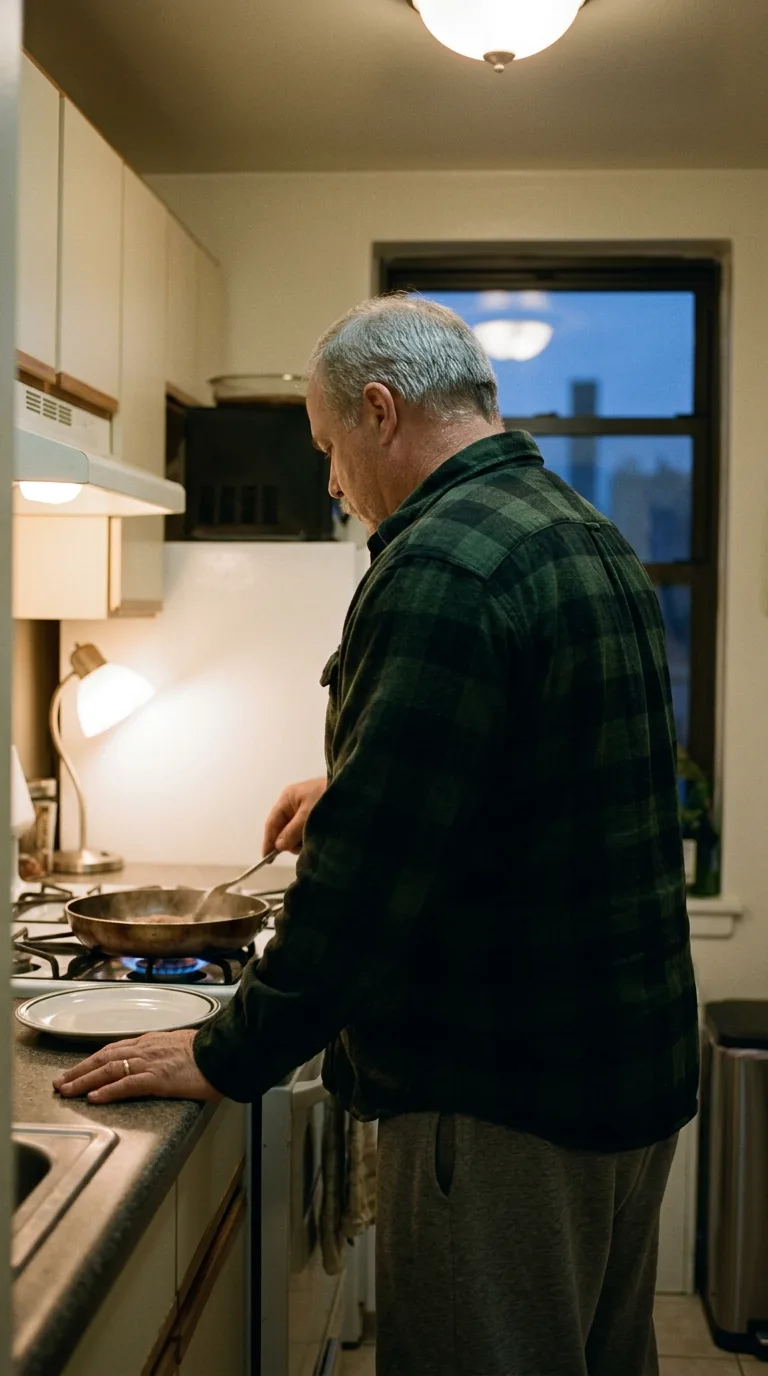
Rarest thing about him: Firefighter — common, 1 in 284
Season 1seed 1734994996 · engine v11
Character card
lineage EIEIWR
His body-swap story
@ronald.pacek rolled the wheel on and woke up as Ronald Pacek — their first
The site loads slower than it should for how much it cost you. A wheel, plain as a raffle drum, spinning on a page with no logos and no testimonials, nothing to make it believable except the price, which is the kind of number that makes a thing feel true. You have wanted this since you were young enough that wanting it felt like a secret you owed nobody an explanation for — every film where someone wakes up in a stranger's mirror, every story at two in the morning about a body that isn't yours, a life you didn't earn and didn't choose, just handed to you whole. It was never for sale before tonight. It is Tuesday where you are, and it is early, the kind of early that is still technically last night to the part of you that hasn't slept, and there is nothing else to do with this hour except this. You press spin because you have already paid and there is no version of tonight where you don't.
The wheel turns. It does not ask your name. It gives you his.
The spoon is already moving before you understand your hand is moving it. Steam off a pan, onions gone translucent at the edges, the smell of them sitting low and warm in a kitchen that is not day and not night but something late and particular to itself — early evening wherever this is, dark enough outside the window over the sink that the glass throws back the room instead of showing anything past it. The spoon completes its circle and you reverse it, stirring the other way without deciding to, because the hand that holds it has its own memory of this and for one half-second it is still following his orders, not yours. You salt the pan. You do not taste it. There is a plate on the counter, white, plain, already set, and you find your other hand — his hand, a wedding band loose enough to turn on the finger — reaching up into the cabinet above the dish rack and bringing down a second plate, setting it beside the first, the way you'd set a place for somebody who was only running late and not somebody who does not exist in this kitchen at all.
The body you are wearing is heavier through the gut than you expected a body to feel, and shorter, so that the cabinet is a stretch and not a reach, and the shirt — flannel, green-on-black plaid, worn soft — is already telling you things through your own shoulders before you have asked it anything. A closet, dim, this morning, pulling it off a hanger by feel because the light switch is on the far wall and he never bothers with it before coffee. Sleeve, sleeve, the collar snagging a half-second on the thinning hair at the back of his neck, the small private irritation of it, gone as soon as it's noticed. Fingers push the buttons through holes gone slightly loose from thirty years of this same motion. The sweatpants after, grey, waistband already soft, pulled on standing because sitting down for sweatpants is a thing only old men do, and some other morning, some other voice in him insists he is not that yet.
The counter under his left palm is cold formica and it brings up a kitchen before this one, smaller, a walk-up, a woman's laugh somewhere behind him and a radio turned low — Donna, before the wife, before any of it, nineteen and sure of nothing except that she liked the way he cooked for her without being asked. That one surfaces whole and aches going down, the particular ache of something that ended on its own terms decades ago and never fully let go of the hook it left in him. It passes. The spoon in his hand brings the apron instead, the real one, canvas, FDNY across the chest in cracking paint, years of it — the apparatus floor at shift change, the particular cold of 6 a.m. concrete through boot soles, a kid's birthday cake he once nearly dropped off a ladder truck as a joke that didn't land with the kid's mother. A brother he lost two years before retirement, whose name is still inside him like a bruise that only hurts when pressed. Three kids raised through all of it, their noise still somewhere in these walls even grown and gone, and a wife upstairs or out tonight — the facts don't say, and neither does he, except that the second plate he just set down is not an accident and not for a guest. It is for her, on a night she's running late, because some habits outlast the need for them.
His hands are blunt, nails bitten close at the quick without him ever once deciding to do it, a thing he's done since before any of these memories start. They are good at this — at tying a spoon through a sauce without looking, at coiling hose, at a thousand motions his mind doesn't supervise anymore because the body already knows. The knees ache standing this long. The low back does too. It is, on the whole, a tired good body, used hard and still working, and for one stretched second you are nowhere else but entirely here in it, between two plates on a counter in Pittsburgh on a Monday he will never know he lost.
You look down. The left hand, ring loose, nails bitten, flat against the counter's edge like it's bracing for something it doesn't know is already over. You turn it over once, palm up, the calluses catching the stove light.
"Didn't used to be my hand," you say, out loud, to the empty kitchen, and nobody answers, and the pan goes on hissing behind you like nothing in the world has happened at all.