Rodolfo Meza
Fictional. Generated by AI — not a real person, and no likeness of one is intended.
57, film projectionist in Mexico City · rolled by @colin.hasbrook · card — no film
History
who has worn him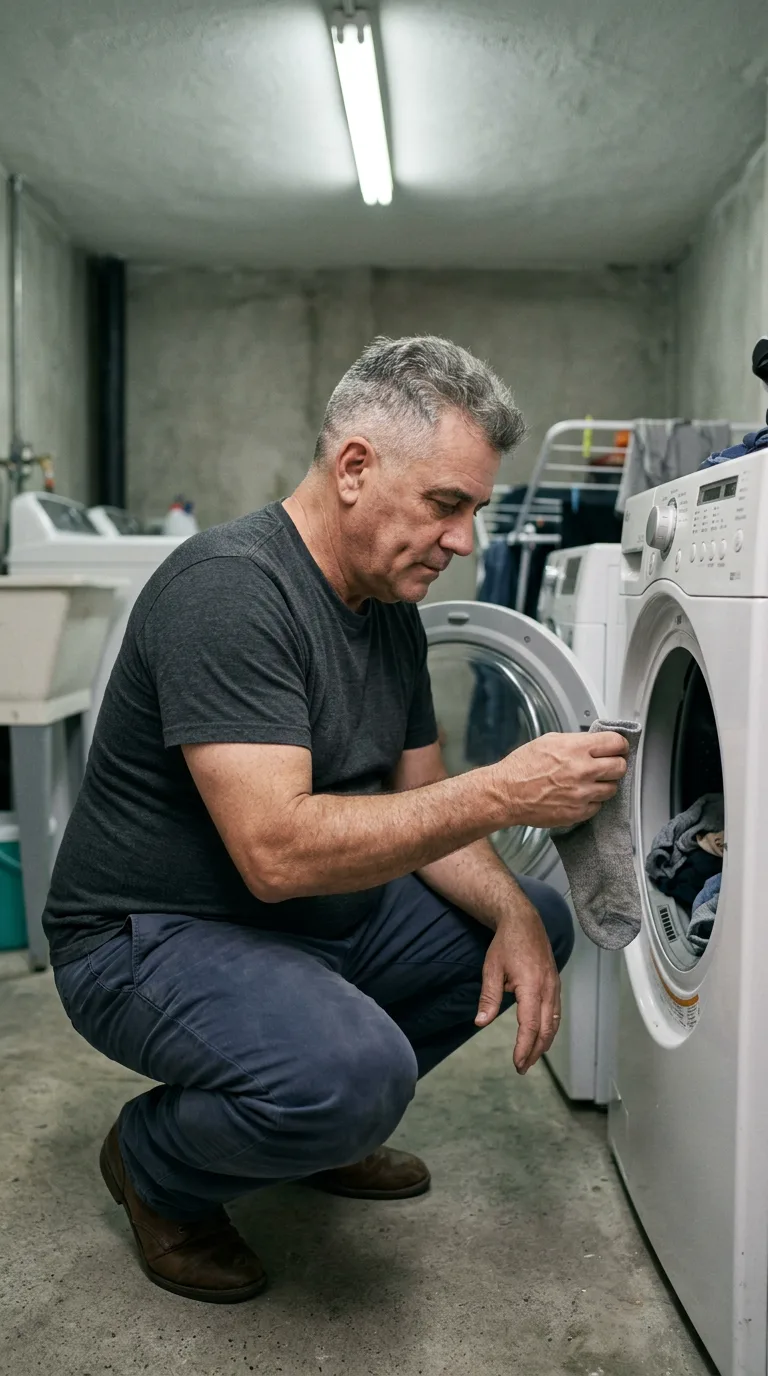
Rarest thing about him: Bisexual — epic, 1 in 67
Season 0seed 1384373975 · engine v10
Character card
lineage 2NZHHJ
His body-swap story
@colin.hasbrook, wearing Trevor Ahlgren, rolled the wheel on and woke up as Rodolfo Meza, spent under a minute in him, then spun the wheel and woke up as Casey Whitlow
You are standing in a warehouse aisle at two in the afternoon, wearing a body that isn't tired enough yet to be worth keeping. Trevor Ahlgren's shoulders. Thirty years old, a scanner gun heavy in his grip, a pallet half-built beside him. You've had him less than a minute, which is the whole problem — you spun into him last night and by lunch you already know every inch of this life is going to be the same aisle tomorrow and the one after. There's no ache in this body worth naming, no injury, no reason at all except that the wanting came back fast this time, faster than usual, a small itch behind the sternum that says *not this one, not yet.* You set the scanner on the shelf edge like you're going to come back for it. You won't.
The wheel spins somewhere behind your eyes that were never really Trevor's, and it lands.
You are crouched. Warm air rolls up out of an open dryer and there's a sock in your hand, gray, still hot, and your knees complain in a way Trevor's never did — a deeper complaint, an older one. Fluorescent light hums white above you. The floor under your boots is concrete, cool through the soles even with the heat coming off the machine. Your body is heavier here, settled low in the belly, and for a second there's no name in you at all, just weight and warmth and the tube light's flicker.
Then the shirt touches in — an undershirt, gray cotton gone soft with washing, and through it comes a morning: him standing in a small bedroom with jacaranda light coming lavender-pink through the shutters, picking this shirt off the hanger without looking, because he owns four of them and they are all the same and that is the point, that is one less decision the day gets to ask of him. His hands know the motion of it, sleeve, sleeve, hem down, the collar settling against a neck that has had this exact fabric against it a thousand mornings, and there is no thought in it at all, only relief, the particular relief of a mind that runs too fast finding one groove it doesn't have to think its way into.
The dryer's warmth against your forearm opens the job. A booth two blocks off the Zócalo, the projector's hum a chord he has heard so many thousands of times it isn't even sound to him anymore, it's just the shape of the room being correct. His hand on the reel, threading film in the dark by feel, the same seven motions every time, done right because his hands do them right even when his head is three cities away. He loves it precisely because nobody ever asks him to remember anything different. The beam going out through the port, silver and busy, throwing somebody else's story onto a screen he never quite watches straight-on. Thirty years of it. Nobody up there in the seats knows he exists, and there's a peace in that he never explained to anyone, not even —
The ring finger. Bare, but the tan line rises through the touch of the wet sock still in your other hand, and there he is: a wedding, a man's laugh across a kitchen table, years of it, good years, and then a last year that was not, folded up into a single flat fact — divorced — that his hands still haven't fully believed, because sometimes late at night this hand still turns like it expects metal to catch the light and doesn't. Ricardo. The name arrives soft and sore at once. Somewhere three kids' voices layer over each other, teenagers now or nearly grown, calling him Papá down a phone line more than in a kitchen these days, and the ache of that is old enough to have gone quiet without going away.
Your knees again — this body's knees, fifty-seven years in them, a low permanent creak that isn't pain so much as evidence. Strong forearms from years of hauling reels that weigh more than they look. A softness at the middle that his hands don't fight, don't apologize for. The dimples are there even now, even crouched over a dryer full of someone else's socks, because his face does that without asking, has always done that, dimples showing at rest since before he can remember choosing an expression at all.
The load comes out warm into your arms, into the basket, and your hands — his hands — start folding before you've decided to, corners squared, creases exact, a machine-fast tidiness that has nothing to do with the eight wrinkled shirts sitting balled in a drawer upstairs that he half-forgot he owns. ADHD, a doctor said, late, in his forties, and it explained the drawer and it explained this basket both — the parts of his life he loves get exactness he doesn't even choose, and the parts he doesn't, don't get folded at all.
You straighten. You look down at the hand still holding the last shirt, its cuff buttoned wrong by one hole, and it is not a hand you have ever owned, and it is doing this by itself, fixing the button while you watch.
You lift your eyes toward nothing in particular, past the humming tube light, and you say, "Okay. Okay, who are you now," to a laundry room that has no one else in it to answer, and somewhere behind that easy dimpled mouth the wheel is already turning again, quiet, patient, not yet spent.