Reggie Talton
Fictional. Generated by AI — not a real person, and no likeness of one is intended.
34, casino dealer in Atlanta · rolled by @reggie.talton · card — no film
History
who has worn him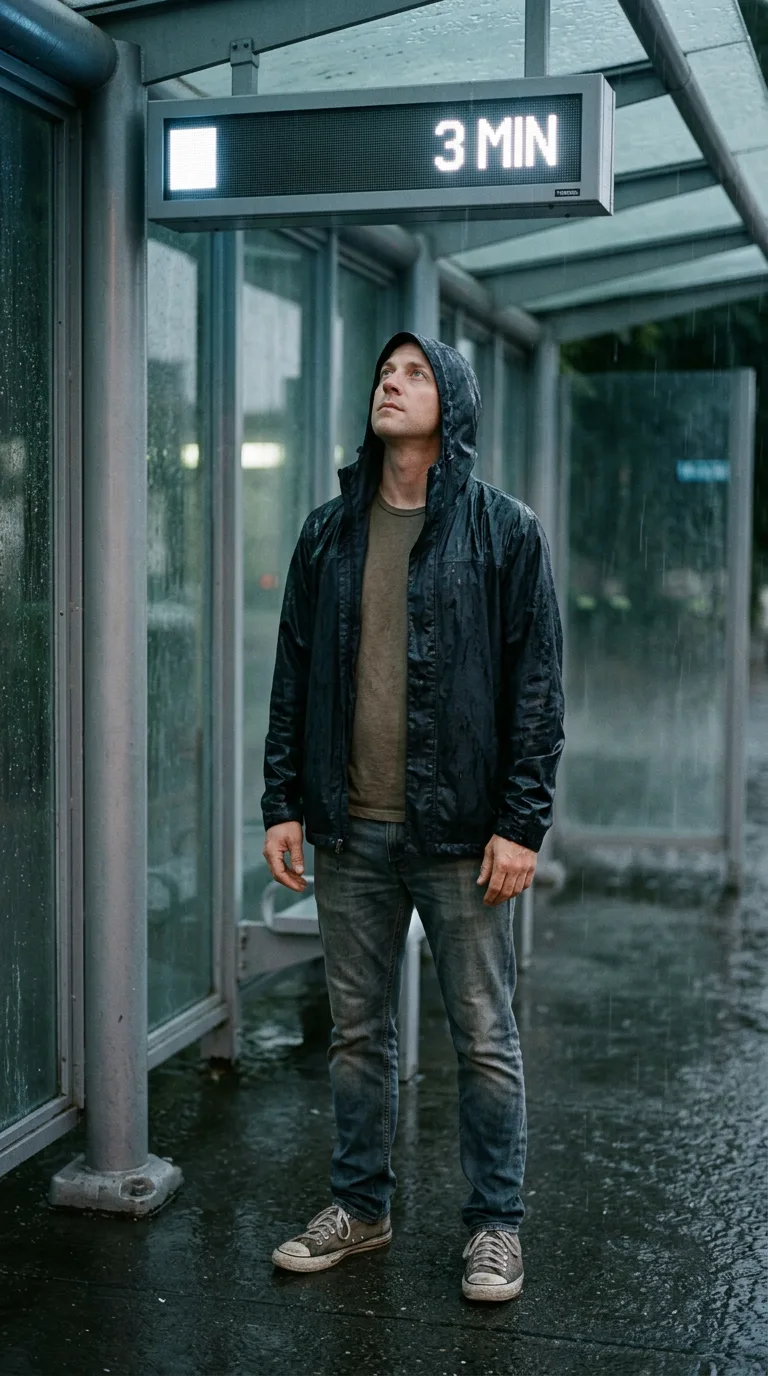
Rarest thing about him: Sleep apnea — epic, 1 in 103
Season 0seed 1364808656 · engine v10
Character card
lineage HXSTPB
His body-swap story
@reggie.talton rolled the wheel on and woke up as Reggie Talton — their first
The apartment has been quiet in the specific way apartments get after eleven, when the day has already used up whatever it had. You have been scrolling with the sound off for an hour, thumb moving without asking permission, and somewhere in that hour the ad comes back around the way it always does — vessel.cards, a wheel rendered in clean gray light, a line underneath it that says *you pay, you spin, you go*. You have wanted this for years the way some people want a country they've never been to. The films, the threads, the stories where someone wakes up behind a different face. You never thought it would be a real button you could press with a real card number. Tonight, for no reason better than any other night, you press it.
The wheel spins. It does not feel like a website anymore.
You are standing in rain.
It is on you before you understand it is happening — cold water threading down a scalp that has no hair to catch it, a hood shoved back off skin, weight settling into legs that are not the idea of legs but the actual, particular legs of a man who has been standing under a bus shelter for six minutes. His face is tipped up into the runoff. His eyes are open in it. There is a board somewhere above and to the left that would read a number if he were looking at it, and he is not looking at it, he is looking straight up into the water like it owes him something, and you are behind that looking, arriving in the exact middle of it with no seam and no warning.
You don't know his name yet. You don't know anything yet. You just have his body, mid-decision, already leaning into the rain instead of away from it.
The jacket is the first thing. Navy, gone dark and heavy with wet, zipper cold enough to register through the layer underneath, and touching it — just the drag of the fabric against these forearms as they lower slightly from the sky — gives you a morning. Not a memory of a morning. The morning. Reggie Talton standing in front of a mirror that's fogged at the corners, pulling this jacket on over a tan long-sleeve because the shift starts at four and the rain was already coming down sideways on the news, and he thought, *hood, not umbrella, umbrellas are for people with somewhere to be that isn't a bus.* His hands did the zipper without him watching them. They know this jacket. They've known it three winters.
The shirt under it — you feel it now against your back where the jacket's gone see-through with water — brings the rest of the closet with it. A dresser missing one handle, replaced with a shoelace looped through the hole years ago and never fixed because why would you fix a thing that works. A row of black vests on a rod, work clothes, pressed and boring and safe, next to three days' worth of ordinary shirts he wears on the days he isn't Reggie-behind-the-table, just Reggie. The tan shirt was on top of the pile this morning. He almost grabbed the gray one instead. Small thing. It comes back anyway, the way small things do when the hand that chose it is doing the remembering.
Denim, gone stiff-heavy at the knees with rain, and in it: a decade of the same three pairs rotated through, bought on sale, worn until the inseam went soft. Sneakers taking on water at the seams, canvas darkening — and through the soles, standing here, comes the felt. Not this felt, not tonight's felt, but the *idea* of it, worn into muscle memory: the green surface of a blackjack table under fluorescent light, chips racked in their tray in perfect color order because he racks them that way even when no one's watching, the particular ache that lives across the balls of both feet by hour six of a shift, a dealer's stance he's held so many thousand times his body finds it without asking his mind's permission. Thirty-four years old and the feet already know they'll hurt tomorrow regardless of what happens tonight.
A hand rises — his hand, and now, in this second, also yours — and drags itself down over the wet dome of the skull, a gesture so worn-in it barely counts as a gesture, the thing his hands do when there's nothing else for them to do, touching his own face like he's checking it's still there. That single motion opens something wider: a woman's laugh in a kitchen that isn't his anymore, a relationship that ended on ordinary terms and still sits in him like a low note that never quite resolves, her name arriving soft and specific and not yours to keep, gone as fast as it came but leaving the shape of missing her behind it. A church that smells like coffee and hymnals. A CPAP machine humming on a nightstand, the small nightly indignity of it, the relief of sleep it buys anyway. A drink most evenings, never more than two, poured out of habit more than need.
Water keeps coming down. He — you — stand in it the way facts said he would: like a man who hasn't been cold in a long time, because for one more second none of this has caught up to being a problem. The board behind the glass ticks over, unseen, unregarded.
Then your eyes drop from the sky, and you find his hands the way he always finds his own face — turning one over in the rain, palm up, watching water collect and spill out of the lines of it, a stranger's hand, thirty-four years of calluses and cold and work you never did, now yours to move.
You look up into whatever's in front of you and say, out loud, in his voice, "Well — I made the bus."