Raymond Elias Cardenas
Fictional. Generated by AI — not a real person, and no likeness of one is intended.
59, store manager in Atlanta · rolled by @declan.michael.farrow · card — no film
History
who has worn him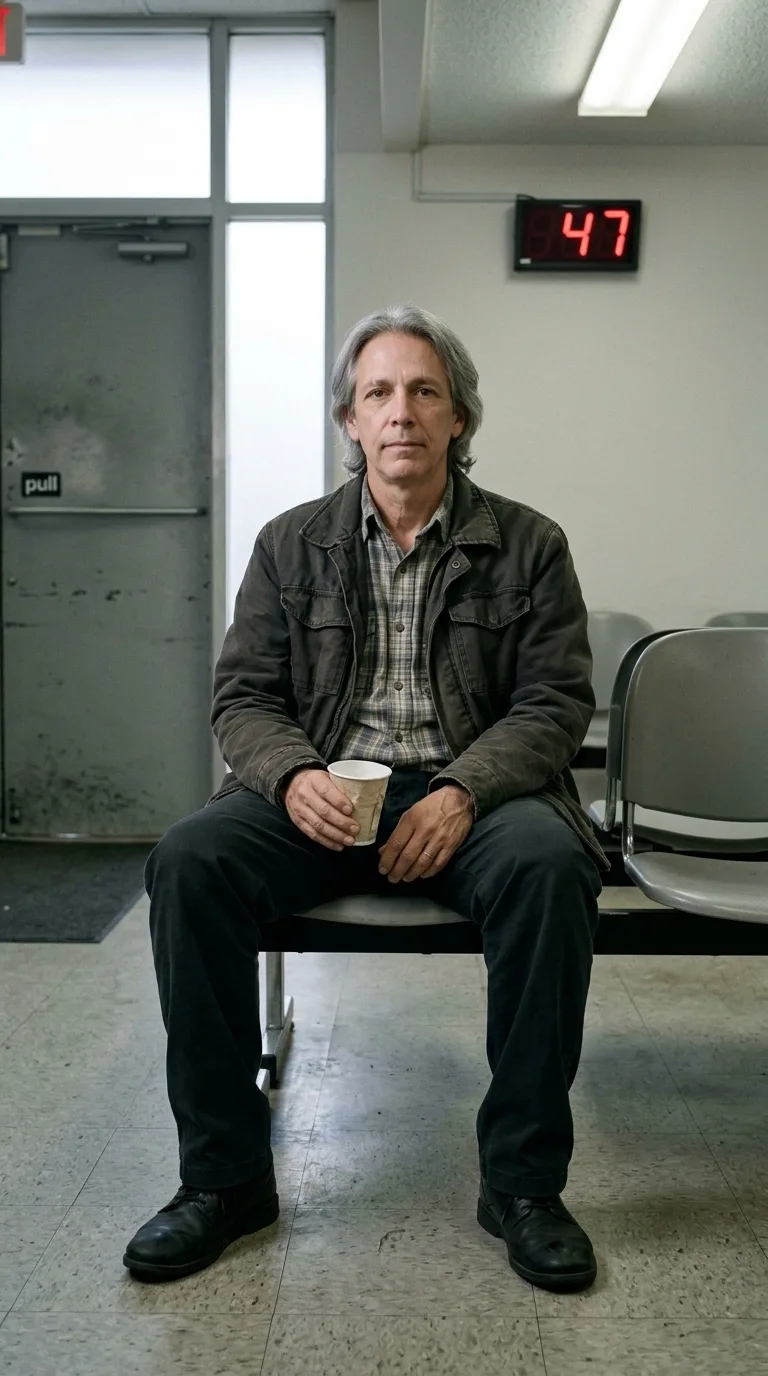
Rarest thing about him: Quitting right now — uncommon, 1 in 103
Season 1seed 974211335 · engine v11
Character card
lineage 5OR92V
His body-swap story
@declan.michael.farrow, wearing Adrián Quiñones Villanueva, rolled the wheel on and woke up as Raymond Elias Cardenas, spent under a minute in him, then spun the wheel and woke up as Eamon Doyle Hanratty
You are Adrián Quiñones Villanueva for one more breath, and you hate how good he feels. Twenty-eight. Knees that don't speak. A kitchen in Philadelphia, gray light on the counter, a lockbox code still in his phone for a house showing at nine. You've been him for less than a minute and it's already enough. He has a phone full of people who text back. He is easy to love, and you can feel the whole city waiting to do it. That's the trouble. Nobody has ever wanted anything from this body that it didn't hand over smiling, and you stand there with your thumb over the page and understand you want something that costs. A man who has been refused. You press the wheel.
The board clicks to 48 and your knee stops.
It was bouncing, you realize, because the stopping is where you begin. A paper cup is in your hand, water gone warm. You set it down square on the thin chair arm, and fold your hands, and your jaw is working a piece of gum that has no flavor left. The strip light hums. Third seat from the door. Somebody calls a name. It might be this one. You do not look up yet.
The chair is cold plastic through the seat of his pants. Then the jacket: you press your back into it and the canvas collar scratches your neck, and the morning comes up through the cloth. His hands, buttoning the plaid shirt in the dark, wrong button, redo. The corduroy softness of the jacket cuffs, worn at the edges, bought at a farm store the year the marriage ended. He put it on because it had pockets and nobody had ever commented on it.
The gum. Your tongue finds it and a craving wakes behind your breastbone: nicotine, nine days gone, a flat gray hunger. The gum is not for pleasure. It is a fence. He chews it to stay on his side of a line. Your fingers want a lighter that isn't there, and the right hand rubs its thumb against the first finger, over and over.
The ring finger. You rub the pale band of skin and the memory comes in warm and ugly: Denise at the kitchen table, not angry, which was worse, saying she'd stopped waiting for him to say anything. He had stood there holding a dish towel. He still prays about it, in the car, in the store's back office with the door shut, plain words, *keep me from calling her.* He has not called.
Keys at your hip, heavy on a carabiner. You close your fist on them and the store arrives: the cold of the stockroom, pallets shrink-wrapped and waiting, the earpiece's small hiss, the sound of his own voice saying *we'll get it done* to nineteen-year-olds who don't believe him. He is good at it. Nobody thanks him. He keeps seventy-one thousand dollars in an account and has never told a soul the number, because it is not a number, it is a door he is holding shut against his own old age.
The scar through the eyebrow itches. You touch it and get a tailgate, a boy's laughter, a bottle breaking, being fifteen. Then it's gone. His back aches low, the soft belly pressing the belt, the shoulders narrow and tired. Fifty-nine years of standing on concrete live in the arches of his feet.
Why the waiting room? The answer is in his pocket, a folded paper, and you do not unfold it. Some doors stay closed.
You lift your hands. They are not smooth. The knuckles are thick, the nails clipped square. You turn one over; the palm is creased and dry. Then you raise your eyes, and the name is called again, and you say it low, to no one, to the room: "Not yet."
You don't know how long this one lasts. You can already feel, far down, the first small thirst.