Patrick Osweiler
Fictional. Generated by AI — not a real person, and no likeness of one is intended.
32, chief executive in Small-town Ohio · rolled by @patrick.osweiler · card — no film
History
who has worn him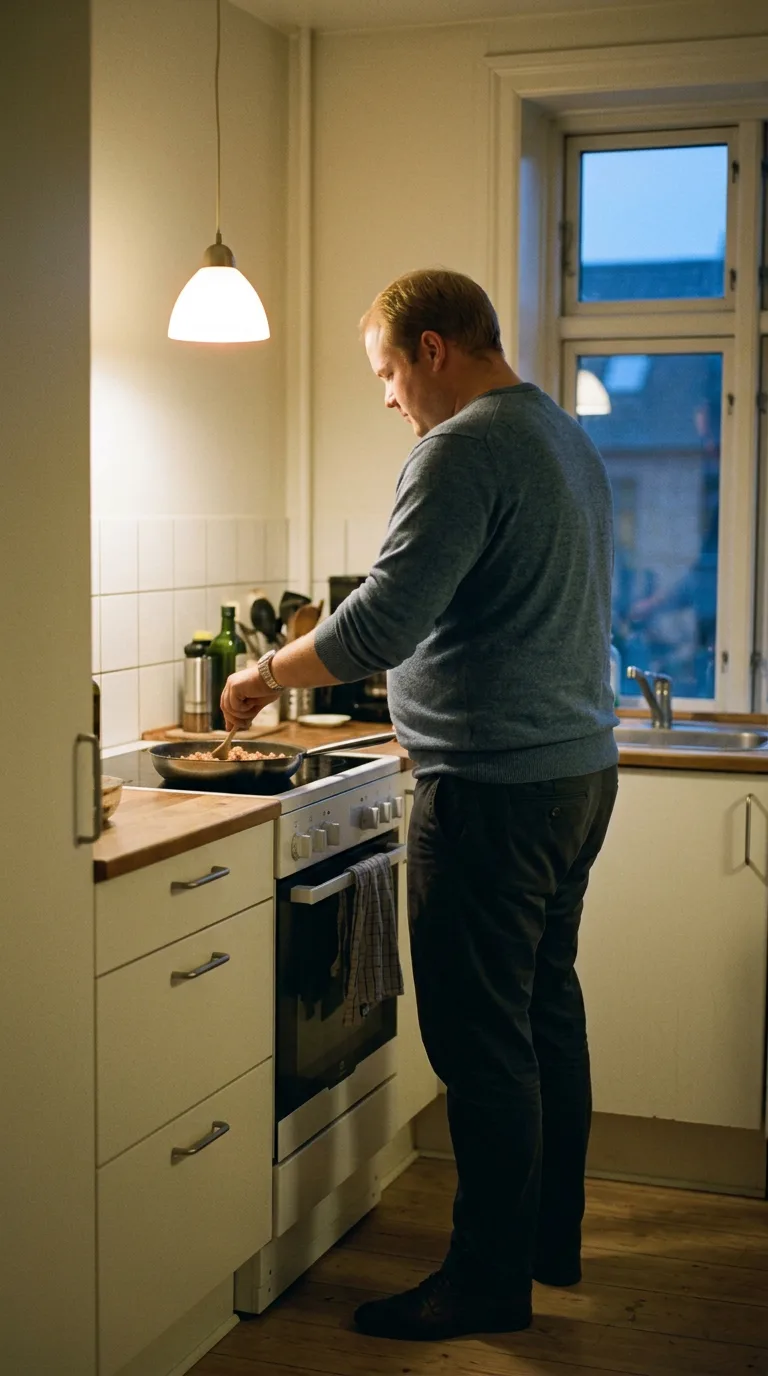
Rarest thing about him: Gay — common, 1 in 32
Season 1seed 1739562238 · engine v11
Character card
lineage BT1I1J
His body-swap story
@patrick.osweiler rolled the wheel on and woke up as Patrick Osweiler — their first
It is a Tuesday before the day has started, and there is nothing on. That is the whole truth of it — no drama, no breaking point, just a screen and a feeling that has been there as long as you can remember, that itch of *what if I were someone else, anyone else, for even a minute.* You have read every thread about it at two in the morning. You have never believed the sites were real. This one has a wheel on it, plain as a raffle, and a price, and you pay it before you can talk yourself out of it, and you spin.
The stirring stops mid-circle.
It starts again the other way, and that is you now, your hand on a wooden spoon that is not yours, in a kitchen that smells like garlic going soft in butter, steam rising into a light fixture you've never seen hanging from a ceiling you've never stood under. The pan hisses. There is weight on you that was never there before — real weight, thick through the middle, planted on two feet that ache faintly in the arches, a body that has been standing at this stove for twenty minutes without once sitting down. You salt the pan. You do not taste it, because you don't know yet that you're supposed to, not really, and your hand — his hand — reaches up into the cabinet anyway and takes down a second plate and sets it next to the first, a small white ceramic click against the counter, and you don't know why you did that until the shirt tells you.
It comes in through the sleeve first, where the cuff is rolled to the forearm — a flash of a mirror this morning, fluorescent and unkind, buttoning this exact shirt one button at a time over a gut he has stopped fighting and mostly forgiven. *Patrick,* the memory says, not out loud, just a shape his whole life has worn. Thirty-two years old. A scar through one eyebrow that a church-league softball caught when he was nine, and forty-odd people asked about it in the years since, and he has forty-odd versions of the lie he tells instead of admitting a seven-year-old named Dustin swung before looking. The shirt remembers being chosen — light blue, because blue is safe, because a chief executive in a town with one stoplight still has to look like he takes himself seriously, even eating alone on a Monday with the blinds half down.
The spoon remembers more. It remembers Caleb's hand over his, months ago, teaching him a béchamel wouldn't curdle if he just stopped hovering — Caleb, the boyfriend, who is three towns over tonight and who will get a photo of this exact plate in about an hour with some joke attached about eating like a bachelor. The second plate wasn't a mistake. It's habit dressed as hope: some nights he still sets two without meaning to, a holdover from a different kitchen, a different year, when it was Marcus across the table instead of empty counter — Marcus, the ex, gone four years now and somehow still the one his hands ask for first when they're not paying attention. He clenches his jaw at the thought, an old tell, teeth coming together like a door shutting, and you feel that happen from the inside, feel the tightness run up into his temples where the hair gave up first, that hard blond M pushed back on either side, familiar under its own palm from a hundred mornings of combing it the same losing way.
The floor under his socked feet remembers being bought — this house, this town, the office forty minutes east with the glass wall and the whole lit skyline he stands in front of some evenings like it's a view he's allowed to have now, when ten years ago he was waiting tables near the Cleveland line and tallying tips in a car that didn't start half the winter. Church on Sundays, when he goes, a row near the back, a God he has made a long, complicated peace with for a man who kisses men and means it. A few drinks a year, never more, because his father drank enough for both of them and that's a door Patrick doesn't open. No cigarettes, ever — the smell alone turns his stomach, something from a grandmother's house he won't examine too closely.
All of that in the time it takes a wooden spoon to go three circles the other way.
You look down. The hand on the spoon is thick-fingered, a little chapped at the knuckle, a plain watch loose on the wrist, and it is not yours and it is the only hand you have. You turn it over once, slow, like you could read something off the palm.
Then you look up — past the stove, past the dark window with the lit street beyond it, one stoplight blinking amber at nothing — and you say, out loud, to no one in the empty kitchen:
"Okay. Two plates it is."