Nolan Piascik
Fictional. Generated by AI — not a real person, and no likeness of one is intended.
26, undertaker in Boston · rolled by @colin.hasbrook · card — no film
History
who has worn him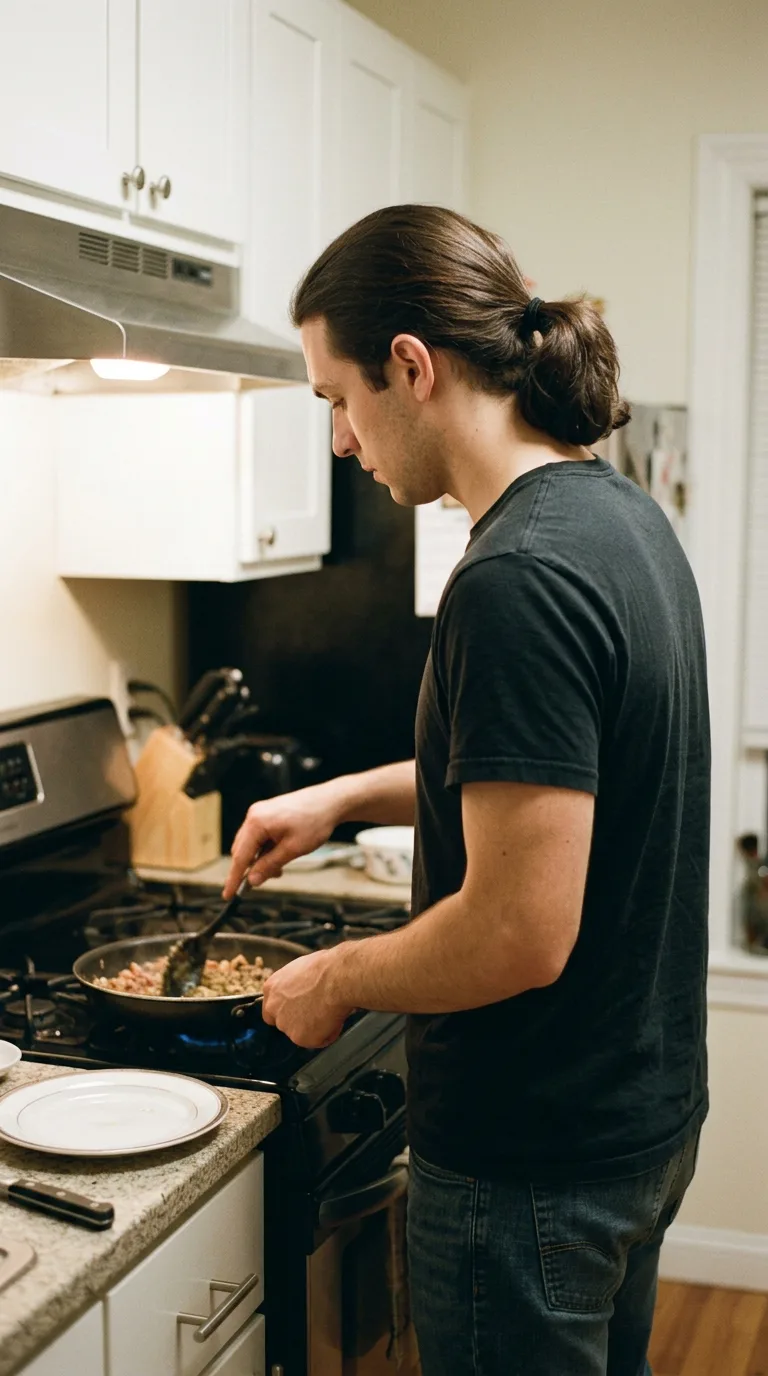
Rarest thing about him: A ponytail — rare, 1 in 107
Season 0seed 979945067 · engine v10
Character card
lineage 2NZHHJ
His body-swap story
@colin.hasbrook, wearing Malik Denard, rolled the wheel on and woke up as Nolan Piascik, spent 2 minutes in him, then spun the wheel and woke up as Faisal Chowdhury
The rig cab smells like someone else's cigarettes even though Malik never touched one, an eighteen-year-old's lungs clean as a new engine, and that's the thing that decides it — you're eighteen and you're clean and you're *bored* of it, bored of being careful with a body this good, bored of the freckles and the freeway and the dispatcher's voice on the radio calling him baby by mistake. Monday afternoon, San Francisco, the light coming in flat and gray through the windshield, truck idle at a red light going nowhere, and your thumb — his thumb, the one that's been yours less than a minute and already itching — finds the phone in the cup holder and the site is still open in the browser from before, the wheel sitting there mid-spin in the tab like it never stopped waiting. You do not think of it as leaving him. You think of it as reaching for something.
You spin.
The stirring stops mid-circle in a kitchen four hours ahead of you and starts again the other way, and that's you, arriving in the middle of it, the spoon suddenly wrong in your grip and then right, wrist finishing a turn you didn't start. Evening light through a window with a triple-decker's porch rail cutting across it, storm door somewhere behind you not quite latched, cold coming in around its edges. A pan of something browning. Salt in your other hand, and you tip it in without tasting, because his body already decided to before you got here, and there's a half-second where that scares you more than anything else about this — that it kept going without you.
Then his shirt against your back. Just cotton, soft from washing, and it opens like a door: this morning, he's pulling it over his head in a bedroom with the shade half down, and his shoulder aches faintly from lifting all day, from lowering something heavy on a strap with three other men who don't meet his eyes, and there's a smell in the memory under the fabric softener — flowers going brown in a cool room, the specific sweetish nothing-smell of a viewing room with the chairs set in rows, folding chairs he arranged himself that morning, the felt runner down the center aisle he vacuumed backward so the nap would lie right. Nolan. The name comes up out of the shirt like heat off pavement — Nolan Piascik, twenty-six, and he has done this five years now, the tie and the good shoes and the low voice you use with people whose father just died, and he is good at it, frighteningly good, gentle with hands that also, on Saturdays, know how to close a wound nobody will ever see.
The spoon in your hand gives you more — his mother's kitchen, learning to cook because eating alone got easier if you made it count, if you put effort into a meal nobody else would taste. A woman named Erin who used to sit at that counter with a glass of wine while he cooked, three years of her, and then not her, and the second plate — you understand it now, the second plate is a habit that never got un-learned, muscle memory setting a place for a person two years gone, and something behind your sternum that isn't yours at all does something painful and small when you realize what you just watched his own hands do.
Your head — his head — throbs faintly behind the left eye, an old tenant, and you know without being told this is the start of one of his migraines, that by nine he'd have been lying in the dark with a washcloth if you hadn't come. His jaw is tight and has been tight for longer than tonight; you feel now that it's tight most of the time, that clenching is just what this face does between other expressions, has been doing since a night that comes up sideways, unwanted, through the scar over his eyebrow — a bar fight nobody won, nineteen years old, blood in his eye and a friend laughing about it after. The scar aches with the memory the way scars do, dully, like weather.
You look down and the second plate is still there on the counter, catching the stove light, white and ordinary and waiting for food that was never going to feed two.
You look at your hand — his hand, the spoon still in it, sauce cooling along the handle — and you turn it over slowly like you're checking it's real, like the calluses along the palm might rub off.
You look up into the dark window over the sink, where his reflection is the only face in the room.
"Hope you weren't hungry," you say, and put the second plate back in the cupboard, and you don't know yet how long you're staying to eat alone in his kitchen instead of yours.