Neil Pomerantz
Fictional. Generated by AI — not a real person, and no likeness of one is intended.
34, locksmith in Los Angeles · rolled by @colin.hasbrook · card — no film
History
who has worn him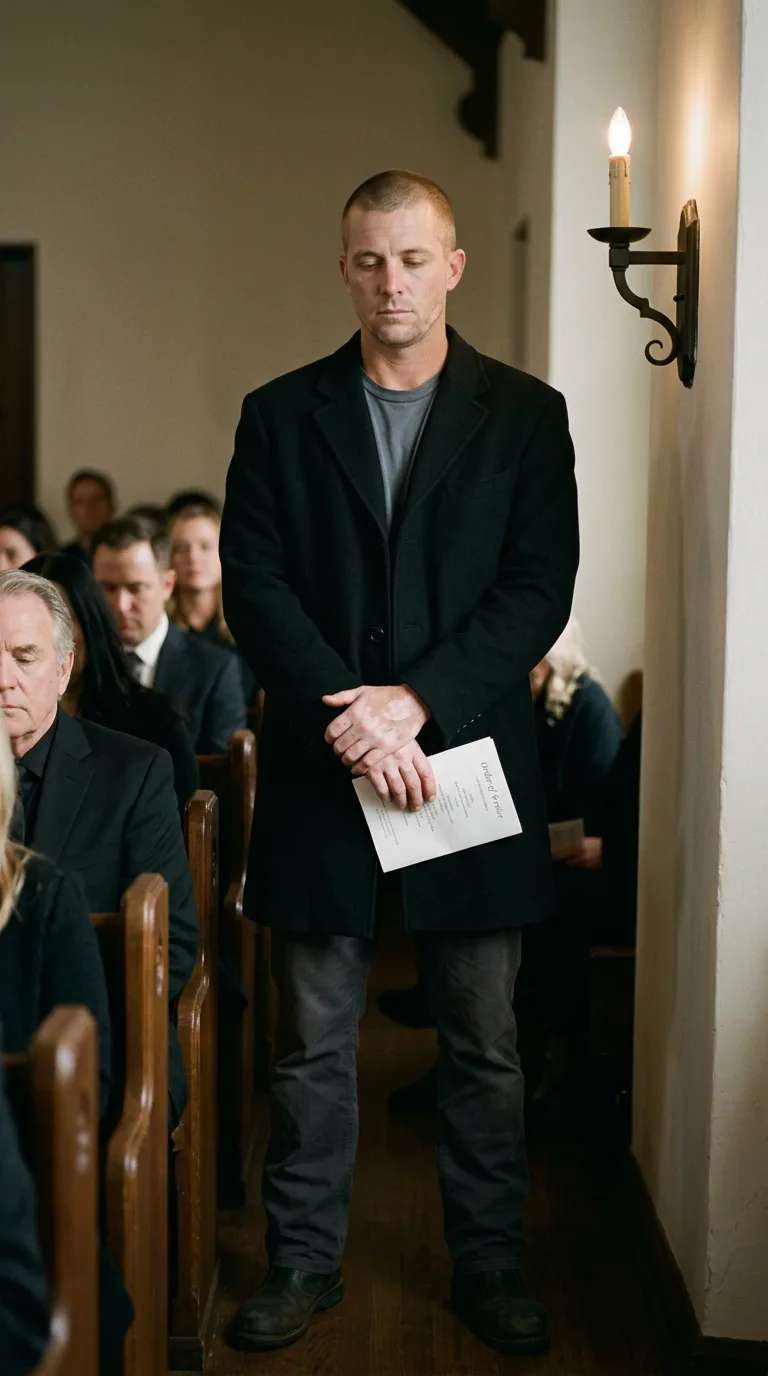
Rarest thing about him: Vitiligo — epic, 1 in 119
Season 0seed 2009958849 · engine v10
Character card
lineage 2NZHHJ
His body-swap story
@colin.hasbrook, wearing Douglas Merker, rolled the wheel on and woke up as Neil Pomerantz, spent under a minute in him, then spun the wheel and woke up as Steve Wozniewski
Douglas Merker's office smells like burnt coffee and the particleboard of a desk that cost less than his watch, and this Sunday morning it is empty except for you, sitting in his chair, in his skin, doing the math on a settlement you no longer care about. Three-sixteen. That's the count now, and Douglas has been a good ride — the good suits, the standing in a courtroom, the blue eyes people trust before he's said a word — but this morning you caught him in the bathroom mirror flossing, watching his own gray hair catch the light, and something in you just went flat. Not disgust. Boredom, honest and plain, the kind you don't announce, you just get up from the table. You open the laptop. The wheel is already loaded, the way it always is, like it knew. You don't decide so much as notice your hand already moving toward the trackpad, Douglas's hand, liver-spotted at the knuckle, and you think, one more, and you spin.
The chapel takes you standing up.
Not sitting — standing, half a beat behind a room full of people rising around you, the organ note dying in the plaster, a folded paper going soft in your fist. Weight drops into you all at once: shorter than you were, thicker through the shoulders, a black wool coat two sizes big in the chest, buttons that don't match the buttonholes because someone else fastened them once and you are only now discovering where they sit. Your hands smooth the front of the coat down without you telling them to. They already know this motion. You do not.
The pew in front of you creaks. Nobody turns around.
The order of service is card stock, cheap, warm from your own grip, and the second your thumb presses the fold flat you get it — not his name, not yet, just the smell of a Presbyterian church from some other decade, a kid in this same borrowed-feeling black coat standing at his grandfather's funeral, hating the itch of the collar. Then it's gone, replaced by the coat itself, this coat, not the same one, just close enough in the shoulders to reach backward and grab the wrong memory first. That's how it comes. Sideways.
The coat's not yours — his, borrowed, a friend's or a brother's, you can feel that much in the way it hangs wrong at the wrists, and when your fingers brush the cuff you get: a closet, his own closet, a chapel too far away to make in his one black jacket because it's at the cleaner's, a text at 7 a.m. that says just wear the navy, nobody's grading you. Relief and shame both, tangled. A man who does not own a black suit at thirty-four and feels it, standing here.
Your feet — his feet — are in scuffed boots, steel-shanked, and through the soles of them comes concrete, a thousand doorways, kneeling at a cylinder with a pick in his teeth, the particular give of a lock when it finally rolls over for him. Locksmith. The word arrives whole, with the calluses that prove it: the pad of the right thumb thick and dead-feeling where a tension wrench has worn a shine into the skin over years. Steady hands, except when they're not thinking about it — and right now, standing, not thinking about it, your left leg has already started up, a small tight bounce against the pew in front, an old motor nobody ever turned off.
You look down without deciding to and find the vitiligo before you find anything else about him — pale continents across the back of his hand, up the forearm where the coat sleeve rides short, and it comes back not as a fact but as a whole boyhood of it: the first white spot at eleven, his mother's hand covering his on the bus, the girlfriend — the one that still sits somewhere behind his ribs like a hook that never came out — who used to trace the edges of the patches on his jaw in bed like she was reading a map, like she loved that half of his face best of all. Her name comes with the coat pocket, when your hand finds a matchbook stub in there that isn't yours to remember lighting. You don't get the name whole. You get the shape of missing her instead, dumb and immediate, the kind of missing that outlasts the reason for it.
The room smells like candle wax and cold stone and, under that, faintly, him — cigar smoke gone into the wool days ago, a bar last night, the particular sourness of a body that drinks the way this one does, steady, unspectacular, every evening a small closed door. Your throat remembers a whiskey it didn't order. Your skull remembers being tired in the specific way of someone who works Saturdays and came here straight from a job, still smelling faintly of graphite and 3-in-1 oil under the borrowed wool, hands scrubbed but never quite clean at the nail beds.
Whoever is in the casket, you don't get. That door stays shut, mercifully — grief with no name attached, just his lowered eyes, just the standing.
Then the organ note finishes dying and the room is fully upright and you are the only person who was ever half a second behind it, and nobody noticed, because nobody here is looking at the man in the back in the wrong coat.
You turn your hand over. The patches catch the candlelight from the wall sconce, pale on pale.
You say, quiet, just to the paper in your fist, "I don't even know whose funeral this is."
And your leg, still bouncing, doesn't stop.