Nathan Cole Whitaker
Fictional. Generated by AI — not a real person, and no likeness of one is intended.
33, software engineer in Detroit · rolled by @marco.villagrana · card — no film
History
who has worn him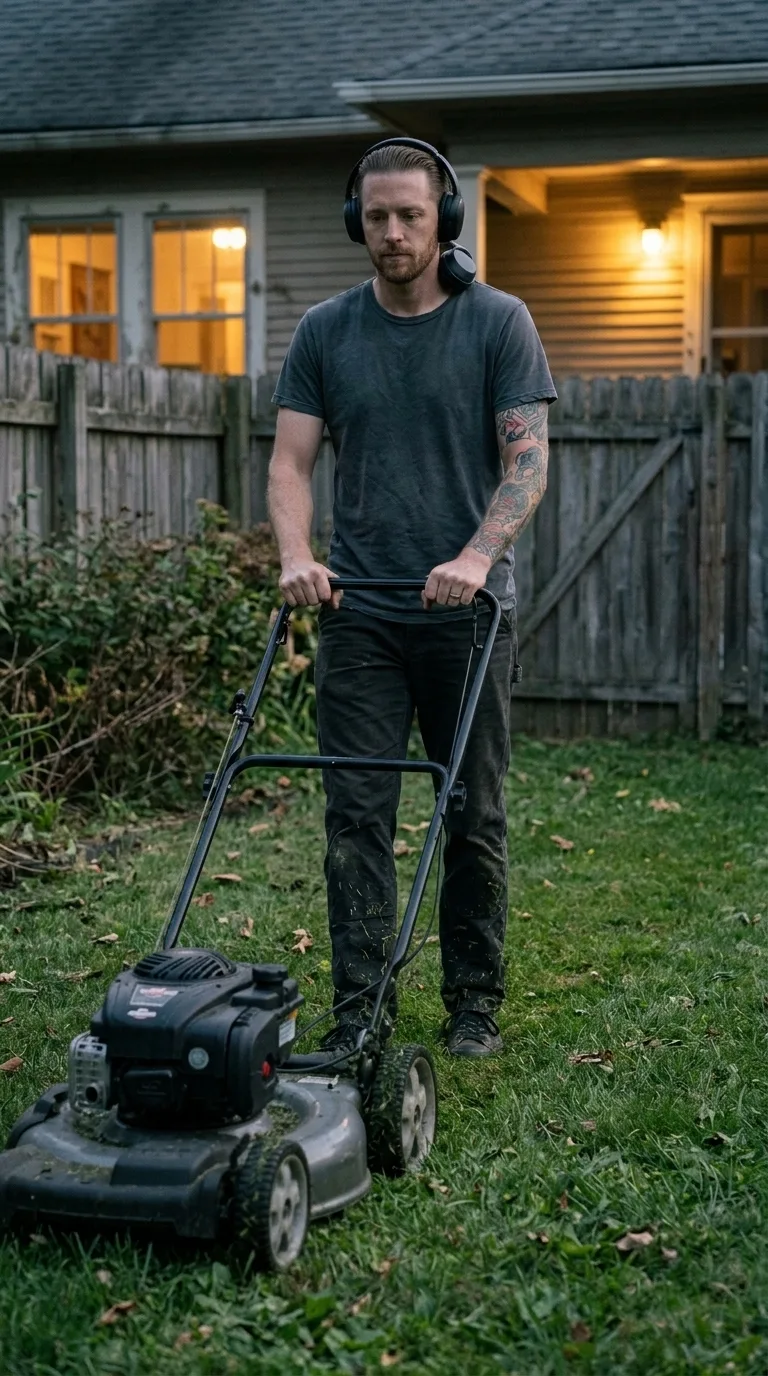
Rarest thing about him: 6'5" — rare, 1 in 229
Face-off rating 1500 · not ranked yet
Season 1seed 1484131672 · engine v11
Character card
lineage LJL8SV
His body-swap story
@marco.villagrana, wearing Glenn Hideo Tanabe, rolled the wheel on and woke up as Nathan Cole Whitaker, spent 4 minutes in him, then spun the wheel and woke up as Dennis Walter Kowalski
You are standing in a firehouse kitchen in New Orleans when you decide, with Glenn Tanabe's short brown fingers around a mug that has gone lukewarm. Three minutes. That is how long you have been him. The evening is soft and orange through the screen door, somebody's radio is playing down the bay, and the body is perfectly good: compact, quick, the knees of a man who has carried people down ladders. You tried the reach for the top shelf, and there was nothing to reach with. Five feet five inches is a very small window to look out of. You put the mug down. It is not a complaint you would say aloud to anyone. You open the page with the wheel on it, and the wheel is already turning under your thumb.
The engine drops a note and catches.
You are walking. That is first: the ground going backward under shoes that are not Glenn's, a long stride, the push bar humming up through both palms into the wrists. Dusk in Detroit, a gray lid of sky, a lit kitchen window across the grass. One earmuff has slid off the ear and the mower's roar floods in raw. You settle the muff back over your ear and keep pushing. The next pass runs dead straight.
Everything is far away from you. The ground is a long way down. Your head sits high above the world, and you feel the height in the backs of your thighs.
The bar is rubber over steel, ridged, warm, and it gives you a Saturday: a boy's voice, *Daddy, let me*, a small hand on the bar beside his and the mower tipping the child's whole weight forward. He laughs, the laugh is yours now, and it is a fear and a joy together, and you almost let go.
The T-shirt clings damp between your shoulder blades. It comes up from the dresser: the soft gray one, the drawer that sticks, his wife's voice from the bed saying *not that one, it's got a hole*, and him pulling it over his head anyway, one sleeve and then the other, the cotton thin as breath, because it was the shirt he wore the week the second baby came. The tattooed forearm flexes on the bar, bold lines, faded red. A swallow. A rope. He got it at nineteen, scared, and has never regretted it. The ring on your left hand is warm, plain, a little loose in the cold.
The jeans are stiff with grass. The knees remember kneeling beside a church pew, a heavy hand on his shoulder, his own whispering voice. He prays, plainly, like a man asking for a ride. Somewhere behind that, a bright office, two screens, coffee gone cold and a bug he cannot find. The pride of finding it. You feel his back ache, a tight rope low on the right side, and his calves, long and strong from a lifetime of being the tallest man in every room.
Clippings stick to your shins. They are cool, wet and sweet. The kitchen light is the whole of his world, and he has been walking toward it, one straight row at a time, for years.
You let go of the bar. The engine idles down. You turn your hand over under the dusk and look at it, long fingers, freckles on the knuckles, the ring catching the window's light. Then you lift your eyes.
"Hello," you say, in a voice deeper than you were ready for. "Well. Look at you."
The kitchen light does not answer. You wonder how long this one lasts, and when the wanting comes back.