Mauricio Vela
Fictional. Generated by AI — not a real person, and no likeness of one is intended.
30, groundskeeper in Detroit · rolled by @mateo.rangel · card — no film
History
who has worn him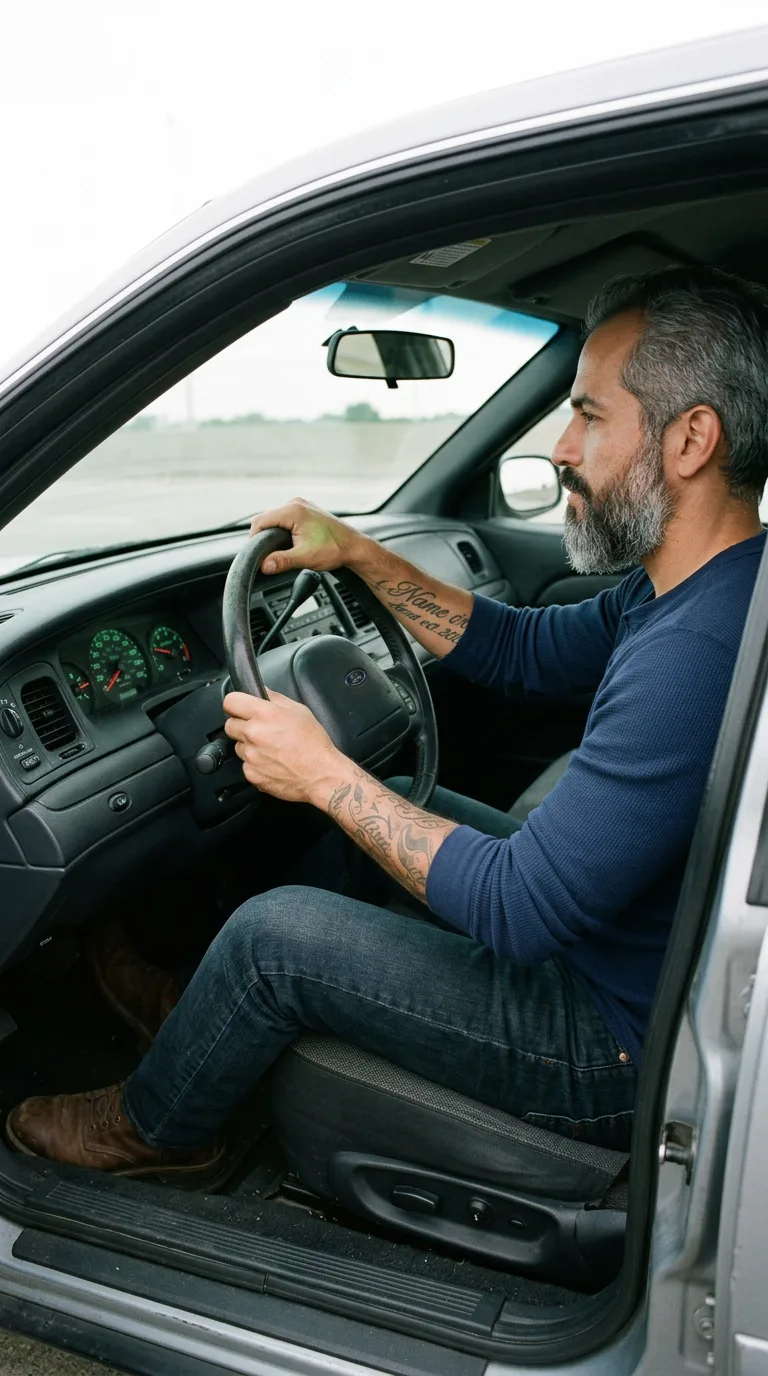
Rarest thing about him: Groundskeeper — common, 1 in 216
Season 1seed 1934869396 · engine v11
Character card
lineage SLLVG5
His body-swap story
@mateo.rangel, wearing Dean Osweiler, rolled the wheel on and woke up as Mauricio Vela
You are Dean Osweiler, and Dean Osweiler is standing at a kitchen counter in Houston with the midday Sunday light flat across the linoleum, thumbing a cracked phone he has not set down in an hour. Thirty-five. Five-seven, and all of it muscle, a machine operator's shoulders that ache pleasantly even at rest. The dimples are in the dark of the phone screen, and the stubble is going silver at the chin. Eight days and ten hours in him.
Nothing is wrong with him. That is the trouble. This morning you called his mother back because the phone buzzed her name eleven times, and she talked for forty minutes about a cousin's wedding, and you said "yes, Ma" in his voice and felt nothing move. She asked if you were eating. His hands, which know a lathe's feed wheel like a pulse, stayed on the counter, calm, bored. You pay, you spin. The page loads. The wheel is already turning.
Then the counter is gone, and there is a wheel under your hands.
It is cold hard plastic, ten and two, and the road is black ahead and the dash throws green light onto your knuckles. The car has drifted a foot toward the line. You pull it back in one smooth motion, and you did not choose it; the arms did. Both hands lift, come down lower and wider. A finger finds the stalk and the signal ticks on, for an exit that is not his, not yours, three miles from a house you cannot picture. Nobody is behind you. The tick is very loud.
You breathe. The ribs go wide, a long body, five-ten, loose in the thighs, seat sitting too far back for the Houston man you were. Your knee bumps nothing. Everything is longer.
Then the things touch you, and he comes.
The navy shirt first, soft cotton at the shoulder. Pulling it over his head in a bedroom with one lamp, this morning, left arm in first because of the old habit, the sleeve catching at the elbow on the ink. Not a thought, just the feeling: tired in a good way, the field waiting. The jeans, stiff at the knee, and the memory of a ball field at dawn, mower stripes dark and light as a held breath, stands empty, the smell of cut grass so green it is almost sweet. His pride, quiet, a thing he never says. The wheel under your palms is worn smooth at ten and two, and a different afternoon surfaces: a girl in the passenger seat years ago, her feet on the dash, laughing at him, the old girlfriend, and a hurt in his chest that has gone dull as a river stone. His child's name sits in his mouth like a coin. The script on the right forearm itches under the sleeve, a name and a date; the memory behind it is not yours to have all at once, only a hot room, a needle's whine, and a grief shaped like gratitude. The beard is thick against your collar. The old cigarette craving flickers in the back of the throat and passes. His boots are heavy on the pedals, and the left heel remembers, absurdly, being nine years old.
He has almost nothing in the bank. You feel that too, a small steady arithmetic he does each night, and it does not frighten him.
The signal ticks on. Highway wind hums in the door seam.
You lift your right hand off the wheel and turn it over. The palm is broad and callused where a rake handle sits, and the lettering runs up the wrist like a held word.
You look up into the dark glass and say, "Okay. Let's see how long you last."
The exit is coming up, and you have no idea whether you take it, or whether the wanting wakes before you reach it.