Marwan Fassih
Fictional. Generated by AI — not a real person, and no likeness of one is intended.
34, manager (mid-level) in San Francisco · rolled by @marwan.fassih · card — no film
History
who has worn him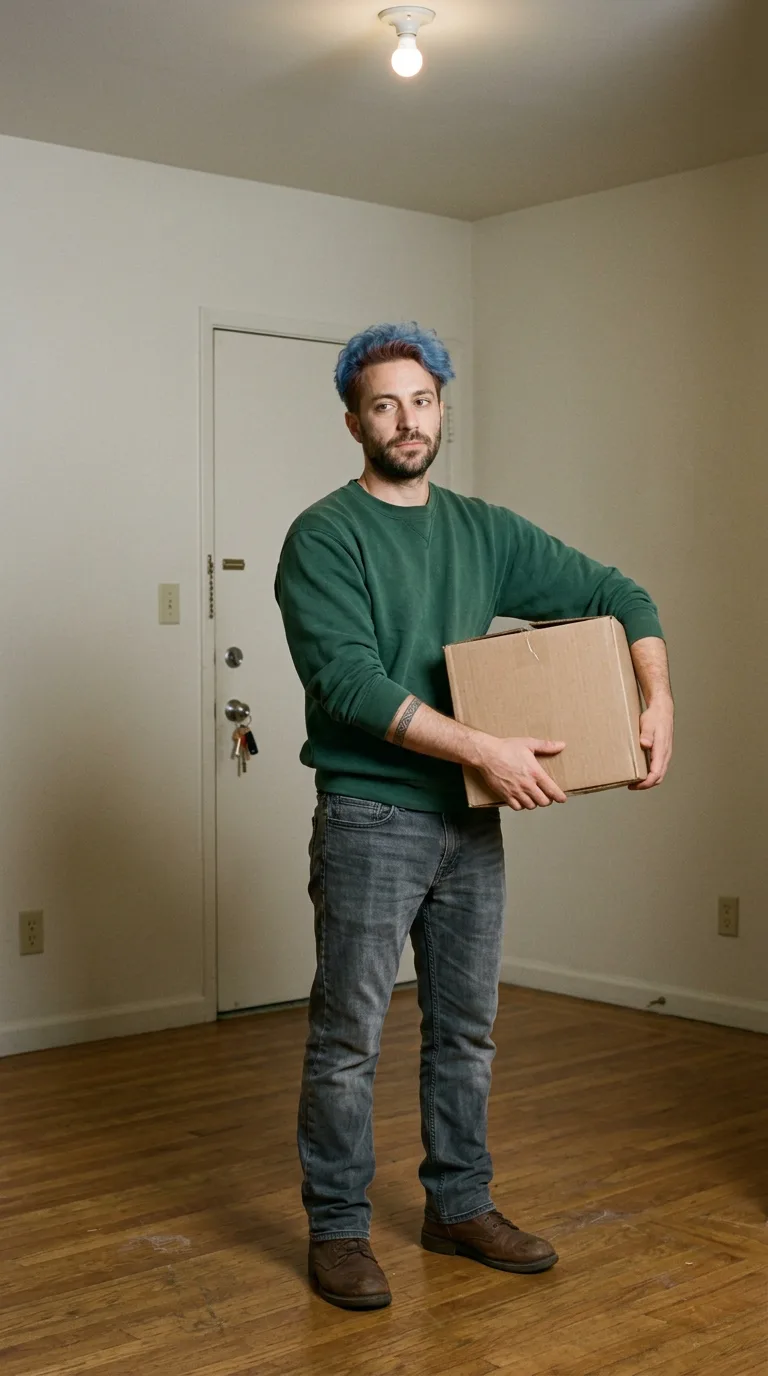
Rarest thing about him: An old injury that never healed right — epic, 1 in 86
Season 0seed 876885179 · engine v10
Character card
lineage 457EYV
His body-swap story
@marwan.fassih rolled the wheel on and woke up as Marwan Fassih — their first
The site loads slow on a Sunday evening that has no shape to it, the kind where dinner was standing at the counter and the show you had on wasn't really on. You have read every thread there is to read about this, for years, the way some people read about ghosts without ever wanting to see one. A wheel. A card. A price that should feel obscene and doesn't, not tonight. You have never done this because there was never a way to do it, and now there is, and that gap — between wanting something your whole life and being able to actually reach out and take it — closes so fast it feels like falling.
You spin. The wheel does what wheels do, and then it isn't a wheel anymore, it's a floor.
Hardwood, cold through the soles of boots that aren't yours yet. A box against your hip, corners biting a forearm. Late-morning light through a bay window somewhere below street level, that particular white of a room nobody's lived in yet. You set the box down because his body already knows to, the motion arriving before the decision does, and the keys are still hanging in the door where he — where you — left them.
The shirt is what starts it. Navy cotton gone soft with washing, and the second your — his — shoulders roll against it, you get an elbow-deep flash of a closet in a different apartment, a hand walking hangers left to right without looking, because he knows this shirt by feel, not sight. Then more: a woman's voice down a hallway, not urgent, just there, *you're gonna be late*, and the particular ease of a Sunday that's actually a workday for him, because there's a version of him that runs on a different clock than the city around him. The knuckles trailing the wall — his gesture, not yours, some old habit of checking a new place is solid — bring the office. Glass walls. A door he always leaves open, on purpose, because his own manager never did and he swore he'd be the kind who did. Him leaning in a doorway telling somebody it's fine, take the extra day, go. Kindness worn so long it doesn't look like a decision anymore.
The belt, when your fingers find the buckle out of some old reflex, gives you a hospital hallway, years back, a knee that went wrong on a loading dock and never came all the way right, an ache that lives low and constant and that his body has simply stopped mentioning to him, the way you stop mentioning a name you say every day. You feel it now anyway, a dull thread up the left leg, old news to him, new to you.
The tattoo under the sleeve — you don't see it, you feel where the fabric sits over it, and that alone unspools a night at nineteen, a shop that smelled like antiseptic and cigarettes, a friend who isn't in his life anymore laughing in the next chair. Tribal lines chosen for nothing but how they looked, the way most things at nineteen are chosen.
The keys in the door — his and hers now, a new fob still stiff on the ring — bring the girlfriend fully into the room: her laugh through a phone held on speaker while he carried boxes alone because she was stuck at work, the promise that she'd bring lunch, the particular lightness of building a life with someone in a place that's finally theirs. And under that, quieter, an old ex who still lives somewhere in him the way old exes do — not longing, just a season of his life that shaped what he wants now and doesn't ask to be forgiven for existing.
Somewhere in the walls, faint, a call to prayer he isn't hearing today but has heard every Friday of his life, a rhythm under everything else, and a memory of his mother's kitchen, the smell of it, that arrives with no object in the room to explain it — it just comes, the way the deepest ones do, uninvited.
You feel his eye drift, that small outward pull at the edge of vision that he stopped noticing decades ago, and his hands — thick-knuckled, sure, a working man's hands wearing a manager's callus-free palms — reach up without your asking and rub once at a jaw gone rough since a Saturday he didn't shave.
Then it stops being memory and starts being now. You look down at those hands, turn one over in the flat white light, and it is unmistakably not the hand you have never had.
You look up, into the empty room, and say it out loud, to no one, in his voice: "Okay. Okay — whose place is this."