Marcus Denby
Fictional. Generated by AI — not a real person, and no likeness of one is intended.
48, wrestling coach in Chicago · rolled by @colin.hasbrook · card — no film
History
who has worn him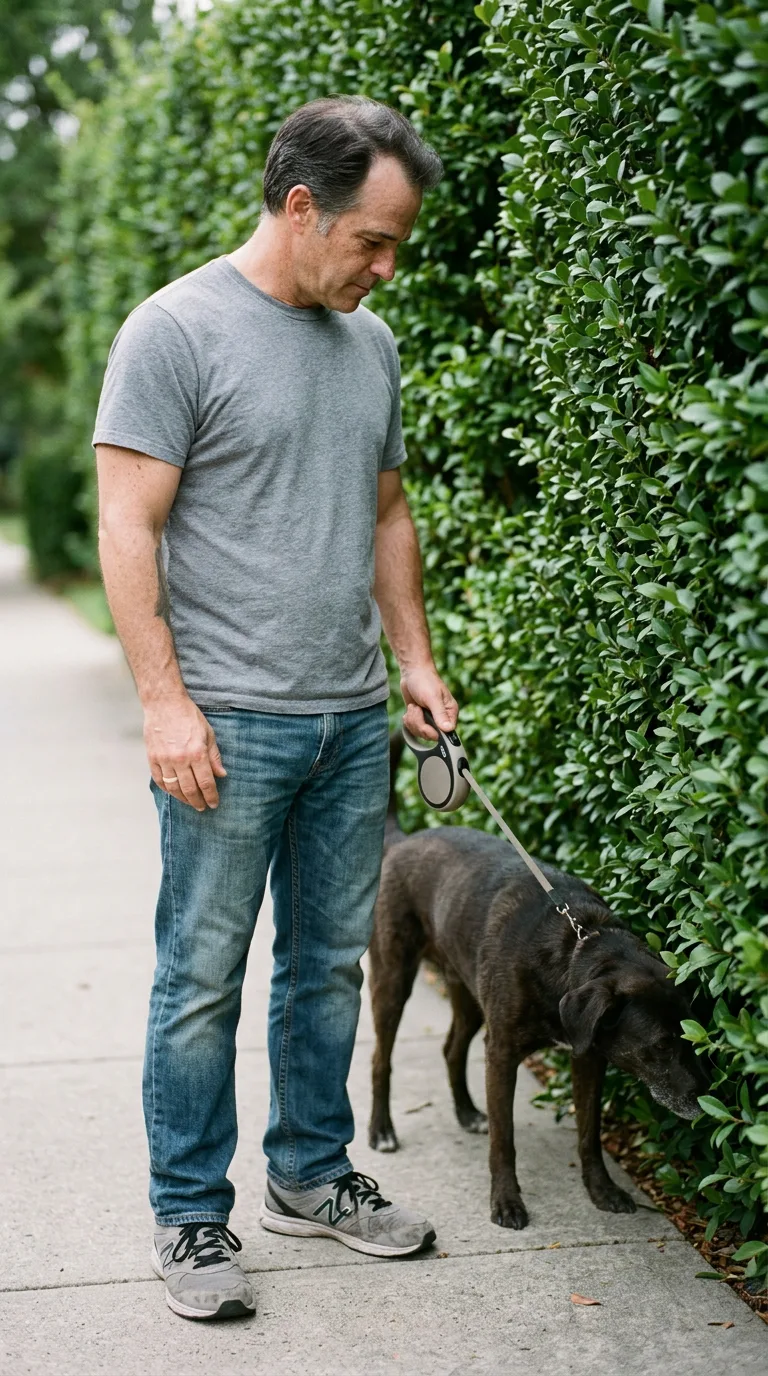
Rarest thing about him: Covers the gray — epic, 1 in 42
Season 0seed 422758129 · engine v10
Character card
lineage 2NZHHJ
His body-swap story
@colin.hasbrook, wearing Dennis Hirano, rolled the wheel on and woke up as Marcus Denby, spent under a minute in him, then spun the wheel and woke up as Brian Vukovich
The forge is quiet at eleven in the morning, which is wrong, which is why you noticed. Dennis Hirano's shop smells like scorched hoof and coal smoke, and his shoulders — sixty years old, thick through the back, a farrier's shoulders — ache in the specific way they've ached every day for forty years, a ache you've been wearing less than a minute and are already tired of. You picked him up last spin and he came with a bad knee and a grandson's birthday he was dreading and nothing else interesting, and that's the trouble: some of them you put on and there's a whole life waiting in the seams, and some of them are just weather. Dennis is weather. You didn't even take his hammer up. You stood in his own doorway in his own body feeling every one of his sixty years catch up to you at once, and you thought, not him, not today, and your thumb was already moving toward the site before you'd decided anything at all.
The wheel takes you between one blink and the next.
You're standing on cement that isn't cement, in cold that isn't Houston cold, and there's a weight pulling your arm straight down and out — leather, plastic, a hedge alive with small frantic movement at the end of it. A dog. You're holding a dog. The hand at the end of your arm — narrower than Hirano's, freckled across the back, a pale stripe where a ring used to sit — stops winding the leash out and instead winds it in, twice, click click, and the dog looks up at you with its ears already going back, already knowing before you do that something about the man holding the leash has changed.
You start walking. The dog has to scramble to catch the new stride.
The sneakers are broken in exactly to these feet — New Balance, the mesh gone soft at the toe box, and they know this sidewalk, they know it's the third house past the corner with the crooked mailbox before you've thought a single thought about it. That's the first thing that comes in: the walk itself, unasked, a route worn into the muscle by two years of the same loop, out past the Petrossian's fence, left at Larchmont, down to the underpass and back before the trains start running loud enough to spook the dog.
Then the shirt. Gray cotton, thin at the collar from washing, and putting it on this morning comes back in his hands, not yours — pulling it over his head in a bedroom with the blinds already up because he likes the light, the ceiling fan ticking on its slow setting, the whistle already around his neck from muscle memory though he wasn't going anywhere near the gym for another two hours. He'd stood in front of the mirror a second longer than the shirt required, thumb going to his cheekbone, tracing the freckles there the way he does without noticing he does it, the gesture older than any mirror, older than the divorce, something his mother used to do to his face when he was small and she was checking him for fever.
The jeans next — worn soft at the thigh from years of kneeling on a wrestling mat, and kneeling comes with them: hundreds of afternoons folded down onto blue vinyl next to a hundred different fifteen-year-olds, showing them the same escape from bottom position so many times his body could do it without his mind in the room. Marcus Denby has been coaching wrestling at the same Chicago high school for nineteen years. He is good at it in the way men get good at things they never talk about being good at — quietly, completely, the whole shape of a boy's season sometimes riding on whether Coach Denby decided this kid was worth the extra twenty minutes after practice.
The tattoo on his arm, half under the sleeve he isn't wearing today, comes through skin-deep rather than through touch — a black-and-gray face he had done nine years ago, a face that used to laugh at something you can't retrieve, gone before the memory finishes arriving. Some things the body keeps and won't give up whole.
The tan line on his ring finger is a colder key. It opens a kitchen — a woman's voice, not cruel, just done, saying his name the way you say a word you've used too many times for it to mean anything anymore — and a year after that of the apartment being too quiet on Sunday mornings, and going to church anyway, alone, because it was the one thing that still made the week hold its shape. He never remarried. He goes on Sundays still. He takes a small blue pill every morning with his coffee and doesn't think of it as anything but part of getting dressed, the same as the shoes.
The leash handle is warm from his own palm, and the dog — Otis, the name arrives with the leather smell, a rescue, four years old, terrified of thunder and vacuum cleaners — pulls again toward the hedge, and some old animal gladness comes up in the arm at being pulled, at being needed by something this simple on a Monday that otherwise has nothing in it but a practice at four and an empty house until then.
The freckles across the nose. The receded hairline he's stopped fighting even as he keeps the dye going at the roots because forty-eight doesn't feel like a number he's ready to wear on his head yet. The knee that's fine, unlike Hirano's — this body is still strong, still able, still surprised sometimes by its own good health.
You stop walking. You lift the hand not holding the leash and look at it — narrower fingers, the tan stripe, freckles scattered like something thrown — and Otis sits, waiting, trained to wait exactly this long and no longer.
You look up into whatever's in front of you — hedge, sidewalk, gray Chicago sky doing its Monday impression of every other day — and you hear his voice come out of your mouth for the first time, easy, a little rough, a voice that's spent nineteen years being heard over a gym full of shoes squeaking on rubber.
"Okay," you say, to the dog, to the street, to nobody. "Okay. Let's go."
You don't know yet how long you get to keep saying things in it.