Liam O'Sullivan
Fictional. Generated by AI — not a real person, and no likeness of one is intended.
29, cop in Rural Texas · rolled by @colin.hasbrook · card — no film
History
who has worn him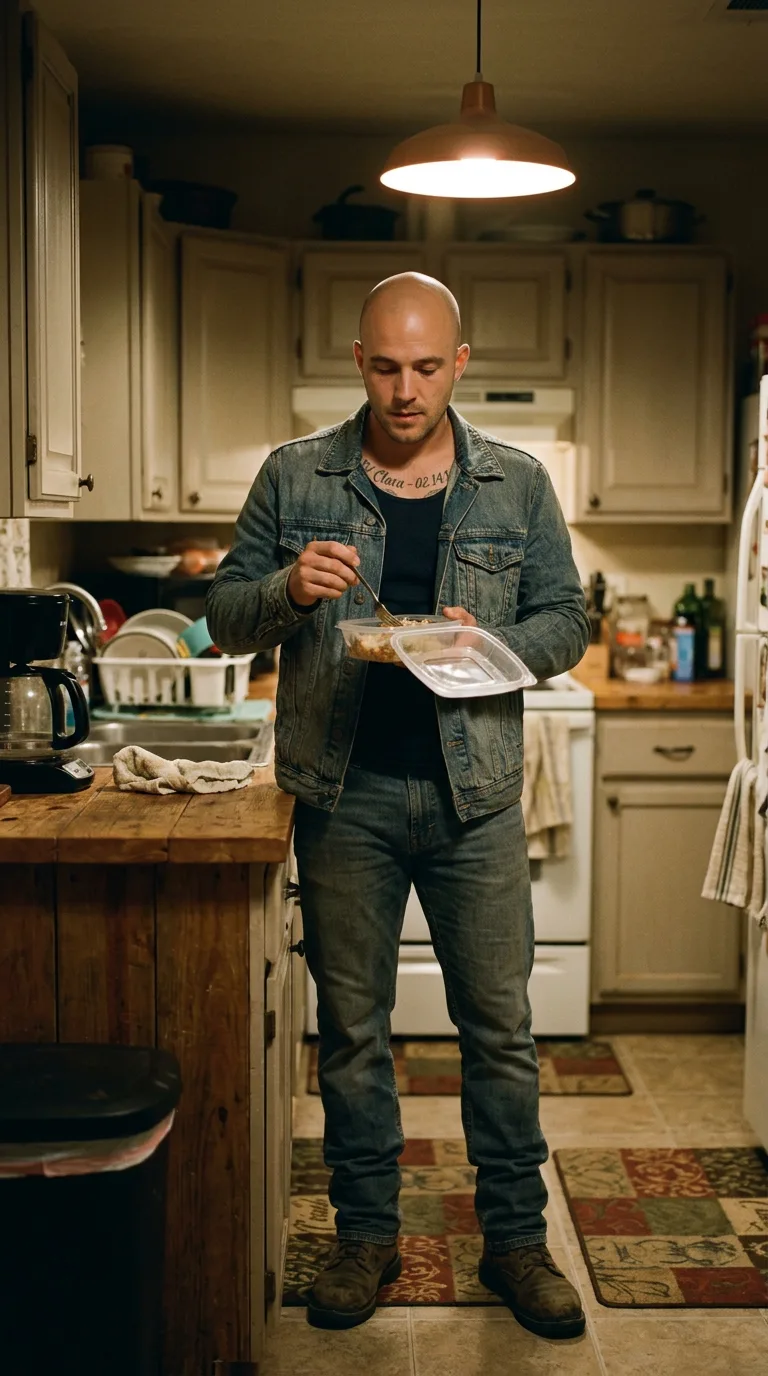
Rarest thing about him: One, chest — rare, 1 in 29
Season 0seed 1858664643 · engine v10
Character card
lineage 2NZHHJ
His body-swap story
@colin.hasbrook, wearing Marcus Ellison, rolled the wheel on and woke up as Liam O'Sullivan, spent 1 minute in him, then spun the wheel and woke up as Terrence Jarvis
You are thirty-three, Black, five-seven, built soft around the middle in a way the LAPD medical board keeps a folder on, and you have been Marcus Ellison for less than a minute when you decide he isn't enough. It's the schedule that does it — a sim check at four, a real one Thursday, and the particular ache behind his knees that comes standing up from a briefing chair too fast, an old man's ache wearing a young man's face. You feel it once, in his kitchen, reaching for his own car keys off a hook by the door, and something in you that has spun two hundred and fifty-four times already goes: not this. Not today. You set the keys back down. You open the laptop still warm on his counter, go to the page with the wheel on it, and you pay for another turn the way another man might pour a second drink.
The wheel spins somewhere that isn't a place, and then you are standing at a counter in a kitchen you have never seen, in a body that is not soft anywhere, holding a plastic fork over a plastic container, and the fork simply — stops. You feel it happen from inside: the hand that was yours a half-second ago finishing its arc toward a mouth that is now this mouth, brown-eyed, a day's stubble on a jaw that was bald-headed and clean the last time anyone looked at it in a mirror. The fork comes back down. It sets itself on the counter, tines against Formica, with a care you didn't decide on. You feel a coat's weight drop off shoulders that are wider than the ones you had a breath ago, denim sliding, and you are sitting at a kitchen table you've never sat at, and the body keeps eating without you, even mouthfuls, like it's finishing a job that started before you got here.
The window in front of you is dark. Somewhere outside that glass Los Angeles is still bright with two in the afternoon, and here it's already gone the deep navy blue that comes right before true dark, and something about that seam — the wrongness of the hour, sunset here while it's lunch there — is the first thing that isn't memory and isn't yours, just a fact sitting uncomfortably between the two.
Then the shirt against your back gives you the morning.
Cotton, a uniform undershirt, worn soft at the collar from washing — and you're standing in front of a mirror at five-forty a.m., sliding your right arm through first because you always have, because your training officer eleven years ago said right arm first and it stuck the way nothing else from that man stuck. Liam. The name arrives with the sleeve, plain, no fanfare, the way your own name never announces itself to you either. You feel his shoulders settle the uniform shirt over the undershirt, feel fingers — thick, callused at the first knuckle from a decade of seatbelt buckles and door handles and the specific stubbornness of glove compartments — button it from the bottom up, skip-count familiar, four buttons in the time most men take on three. The duty belt comes next in the memory, heavier than it looks, and there's a particular grunt he makes settling it on his hips that you feel your own throat almost repeat now, an echo with nowhere to go since your mouth is busy chewing.
The tattoo at his collar burns for a second — not pain, just presence — and gives you a date and a name that was never yours to have: a little sister, gone too young, the ink done in a shop in Lubbock the week after the funeral when he was twenty-two and needed somewhere to put it that wasn't nowhere. He doesn't think about her most days. He thinks about her every single day. Both are true, the way only grief lets two things be true at once.
The container in your hand — his hand — gives you less, but it's honest: hundreds of nights exactly like this one, eating standing up because sitting down after a shift felt like giving up on the day too completely, coat still on because the kitchen runs cold in a house that's more his father's than his. Gravel crunching under the cruiser's tires on the way in tonight, the water tower on the ridge catching the last of the light orange, nothing on the radio but static and a coyote call from dispatch about a fence down two roads over that he's already decided isn't his problem tonight. Boots that know the porch step without looking. A body that is twenty-nine and still handles it — no, that's not right, thirty pulling at him already in the knees on cold mornings, a shoulder that clicks when he reaches too far left for the radio mic.
Single. No one waiting up, no one to call and say he's home, and that fact doesn't carry sadness so much as familiarity — a room he's furnished and lives in fine. A big night out once, twice a month with two other deputies at the one bar in the county that stays open past ten, and otherwise nothing, no bottle in this kitchen with his name on the use of it. His hand keeps almost drifting to his own jaw between bites — an old habit, checking for something, a tell he's had since before the sister, since before the badge — and you let it, because it isn't yours to stop.
You feel the last bite go down, feel the fork set into the empty container with a small clean scrape, feel him — you — finally looking up from the container into the black glass of the window, at a reflection lit from behind by a hanging lamp, bald head, tired eyes, a face that has been doing this same evening for years and will do it again tomorrow whether or not you're the one behind it.
You turn your hand over on the counter, study the callus at the knuckle like it might explain itself, and you say, to no one, to the dark window, to the water tower standing out there against a sky going from navy to black:
"Long day."