Kenneth Duplessis
Fictional. Generated by AI — not a real person, and no likeness of one is intended.
54, electrician in Small-town Ohio · rolled by @kenneth.duplessis · card — no film
History
who has worn him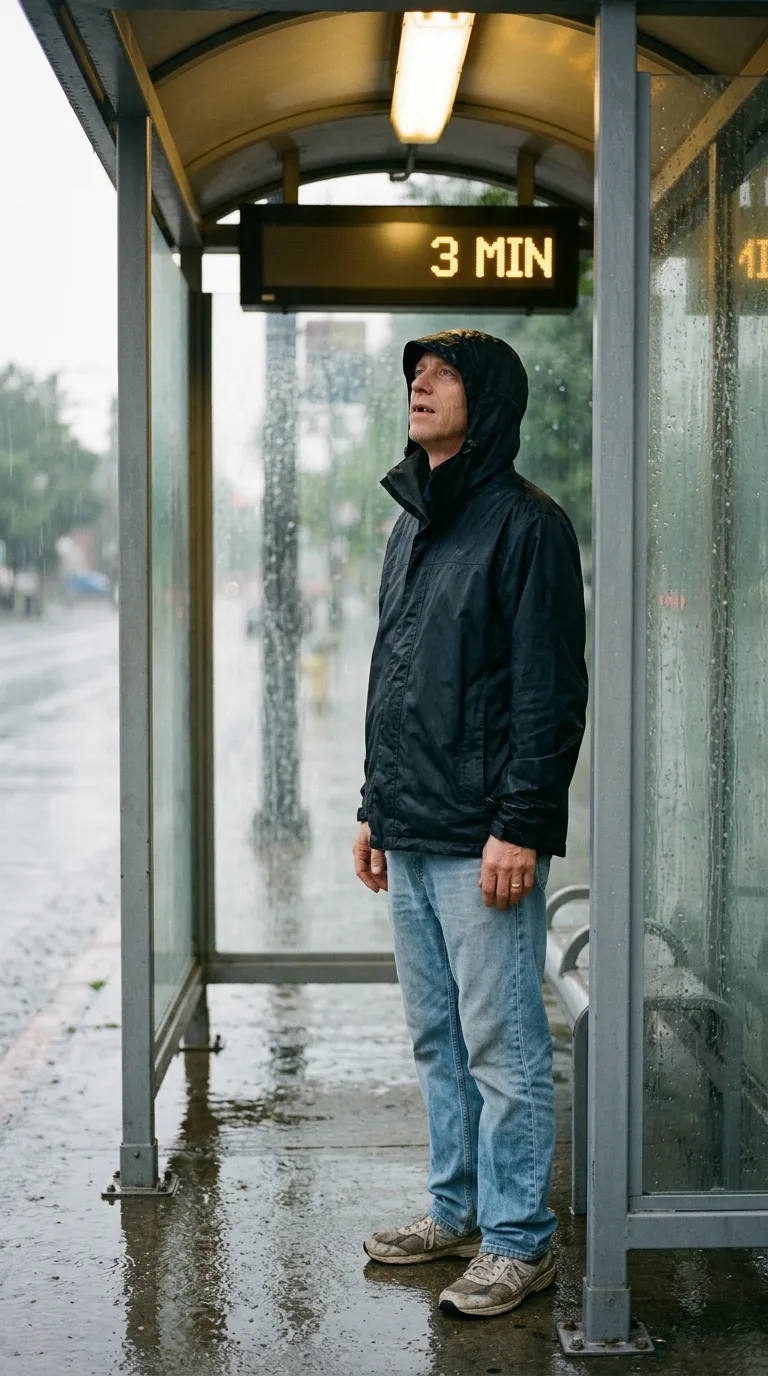
Rarest thing about him: A missing front tooth — epic, 1 in 124
Season 0seed 216234343 · engine v10
Character card
lineage S09G0Z
His body-swap story
@kenneth.duplessis rolled the wheel on and woke up as Kenneth Duplessis — their first
The apartment is quiet in the particular way apartments get at the end of a Wednesday when nothing happened and nothing is going to. The laptop is warm on your legs. You have read about this site the way you read about most things you are ashamed to want — late, alone, in short guilty bursts over years, half-believing the whole time that it was a story people told for clicks. Vessel.cards loads slow, like it doesn't care if you wait. A wheel, plain as a raffle. You pay before you can talk yourself out of it, and you spin it the way you'd flick a lightswitch in a room you already know is empty, and it stops, and it does not feel like anything at all, and then it does.
You are standing in water.
Not falling into it — standing in it, already, both feet, like you have been here for some time and only now arrived to notice. Rain is coming down in sheets that seem lit from inside by a streetlamp somewhere behind you. Your hood is back. Your face is up and open to it, water running into your open mouth, down a throat that clicks when you swallow, and your body — this body, fifty-four years of it, wider through the middle than it wants to admit, a low ache already sitting in both knees — does not flinch from the cold at all. It has decided, some time before you got here, not to be cold anymore. There is a bus shelter behind you with a board that would say 3 MIN if you turned around. You don't turn around. You just stand in the runoff with your arms loose at your sides and rain finding the gap where a front tooth used to be, and it is, for one full second, the best thing you have ever felt, because it is not yours and it is completely real.
Then the shirt.
It's soaked through and stuck to your back, and where it touches skin something opens like a door left ajar — a morning, gray through a kitchen window, the smell of coffee going cold because you keep forgetting it. Ken's hands — because that's the name stitched crooked on the breast pocket, KEN, white thread starting to fray at the K — pulling this same navy shirt off a hook by the water heater, one arm and then the other, a motion so old it doesn't need thinking. Third button always sticks. You feel his thumb work it loose without being told to. There's a fleck of blue paint on the pocket flap from a job in April, a ceiling in a house on Miller Street where you spent four hours on your back on a ladder threading conduit through joists with a drop light clenched between your knees, sweat running backward into your ears, and it was, somehow, a good day. Ken likes the good days. He does not get enough of them lately and he knows it, in the specific tired way a man knows the shape of his own bad luck.
The wedding band on the left hand is next — cool, then suddenly not, degree by degree, the way metal takes on you. Marianne's face comes with it, not young, present-day, standing in the doorway of the bedroom in a robe with her hair still wet from a shower, saying something about the dryer being broken again, and under the irritation in her voice there is twenty-six years of it not being enough to move her out the door, not once, not even during the year of appointments and the year after, the year where the news was good and everybody cried anyway. Three kids came through this house and are gone from it now, in three directions, texting more than calling, which he has decided not to mind out loud. There was, more recently, someone else — a name that surfaces soft and guilty, a woman from two towns over, younger, who liked the way he laughed and didn't like anything else about being second to a marriage he wouldn't leave; she is six months gone now and some nights he still reaches for his phone before he remembers there's no one on the other end of that particular impulse anymore.
The tools in your right hand — pliers, red-handled, worn smooth where the grip meets the palm — give you something else: not a memory so much as a fact of the body, thirty years of it, fingers that know a wire gauge by feel before the eyes confirm it, forearms that ache pleasantly the way old work aches. Your knuckles want cracking. They always want cracking, an idle tic from some job forty years back that never left, and your hand does it now without asking you, four small sounds swallowed by the rain.
There was a hospital, once — not this year, a few back — a room with a view of a parking garage, and a doctor with a kind flat voice saying words like remission like it was a gift he was allowed to open only partway. Ken had thought about God in that room in the unhelpful, honest way people do who were never sure of one to begin with, and had come out the other side no more certain, just gladder, in a plain unceremonious way, to be standing in rain like this at midnight for no reason he'd ever be able to explain to Marianne in the morning.
The bus board, somewhere behind you, clicks over. You don't check it.
You look down at your hand — his hand, wet, a little swollen at the first knuckle, the ring catching the streetlight — and you turn it over once, like you're checking whether it's really attached.
"Well," you say, out loud, to no one, in a voice with a small gap of air where a tooth should stop it, "I'll be damned."
You don't know yet how long you get to be damned in Ken Duplessis. Nobody does. You just stand there in the runoff, warm all the way through, waiting to find out.