Isaiah Kealoha
Fictional. Generated by AI — not a real person, and no likeness of one is intended.
22, student in Honolulu · rolled by @isaiah.kealoha · card — no film
History
who has worn him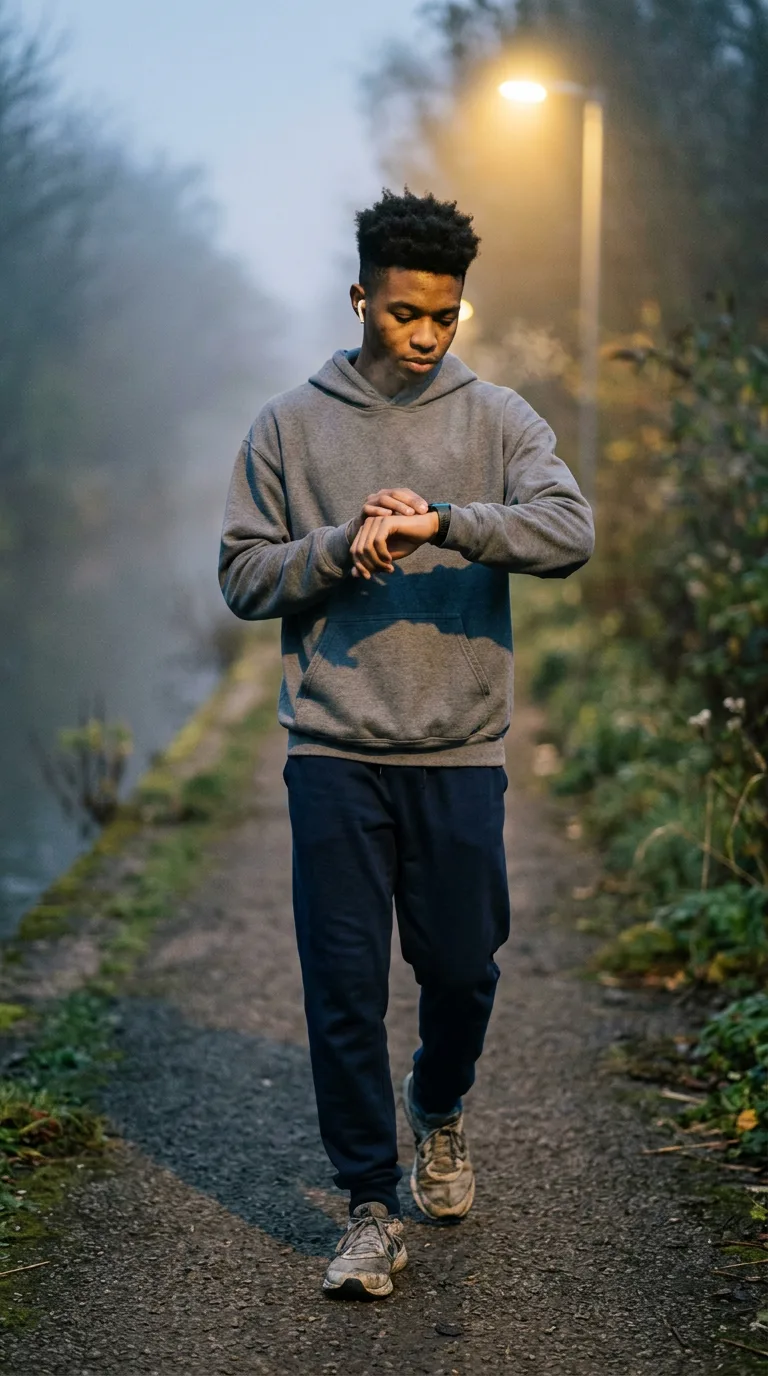
Rarest thing about him: Honolulu — uncommon, 1 in 44
Season 0seed 773265171 · engine v10
Character card
lineage 4KO1PH
His body-swap story
@isaiah.kealoha rolled the wheel on and woke up as Isaiah Kealoha — their first
The evening has no shape worth describing. Just a screen, a light gone blue-gray with hours, the kind of Friday that happens to you instead of the other way around. You have wanted this since before you knew to call it wanting — every story where someone wakes up behind a different face, every thread at two in the morning where people argued about whether it would feel like sleep or like falling. You never thought it would be a website. You never thought it would have a wheel on it, spinning with the cheap little tick of a raffle drum, vessel.cards rendered in a serif font like it was trying to look like it had been there since 1997. You pay. You spin. You do not believe it will do anything.
It is afternoon where you are. It is not afternoon where you land.
The stumble is the whole event — two steps that should end on the ground and don't, weight caught by a body that already knows how to catch it, and then you are running. Fog on a canal, an orange streetlamp going soft at the edges, a watch buzzing against a wrist that isn't reporting a mile it remembers running. Breath goes out of you in a white cloud that isn't yours to make. The legs are shorter than you expected legs to be, quick and light, used to covering ground like this. Earbuds feed you a song mid-verse. Somewhere behind the sternum, a heart is going at exactly the rate a heart goes at mile four.
The sweatshirt is what opens first — gray fleece, damp at the collar, and putting it on comes back to you in his hands, this morning, an hour that was still dark: a body swinging out of a bed too short for the frame, the room already hot the way Honolulu is always already hot, tin roof ticking as the sun found it. He'd stood there vaping once by the window, the little battery light green in the gloom, before he remembered his mother would smell it through the walls even now, even at twenty-two, even though she's said nothing about it in three years. He pulled the hoodie over his head sleeve by sleeve, still fighting sleep, and thought about nothing — thought about the run, about not thinking, which is most of what the run is for.
The joggers next, worn soft at the knee, and under them the specific ache that is his and not the general idea of an ache: shins that complain the first half mile and then go quiet, a left ankle that rolled once sophomore year of high school and never fully forgave him. The shoes — broken in exactly to his stride, heel worn on the outside edge, a stride built by someone who has run this same canal path enough mornings to know where the buckled slab is without looking.
And then more comes, unbidden, riding in on the smell of wet asphalt and cut grass: a laptop balanced on a knee on a lawn gone the particular green Honolulu lawns go, a paper due, a professor's slow drawl. A girl — Malia — whose name arrives with a whole weather system attached, warmth and then a flat gray front behind it, three weeks gone and still there every time his hand finds a phone in a pocket and doesn't take it out. Sunday mornings at a church with plastic chairs and a band that tries too hard, his mother's hand finding his shoulder during the parts that ask for hands. A small orange pill bottle in a bathroom cabinet, a doctor with a kind flat voice, a year that was bad and then, slowly, less bad. Cuticles picked raw on the pad of a thumb, a habit his hands do without him, doing it now without you even asking them to.
None of it is sequenced. It comes the way weather comes, one system behind another, and underneath all of it is the run itself — the actual physical fact of him, skinny, quick, twenty-two, a body that has never once had to think about how to move and is embarrassed, faintly, by how good this feels, dawn air going into lungs that know exactly what to do with it.
The watch buzzes again. A split it has no record of him ever holding.
You stop. Not a decision — your foot just doesn't go forward the next time, and the fog keeps drifting past you like it hasn't noticed. You bring your hands up in front of your face — his hands, thin-fingered, the cuticle on the right thumb torn and pink — and you turn them over slowly in the gray light like they might be somebody else's, because for about ten seconds now, they were.
"Okay," you say, out loud, to no one, in a voice that isn't the one you don't have. "Okay."
Behind you the streetlamp holds its orange. Ahead of you the path goes on into more fog, and somewhere far past that, so does the rest of a life that used to be entirely his.