Hector Villalobos
Fictional. Generated by AI — not a real person, and no likeness of one is intended.
46, operations manager in Los Angeles · rolled by @colin.hasbrook · card — no film
History
who has worn him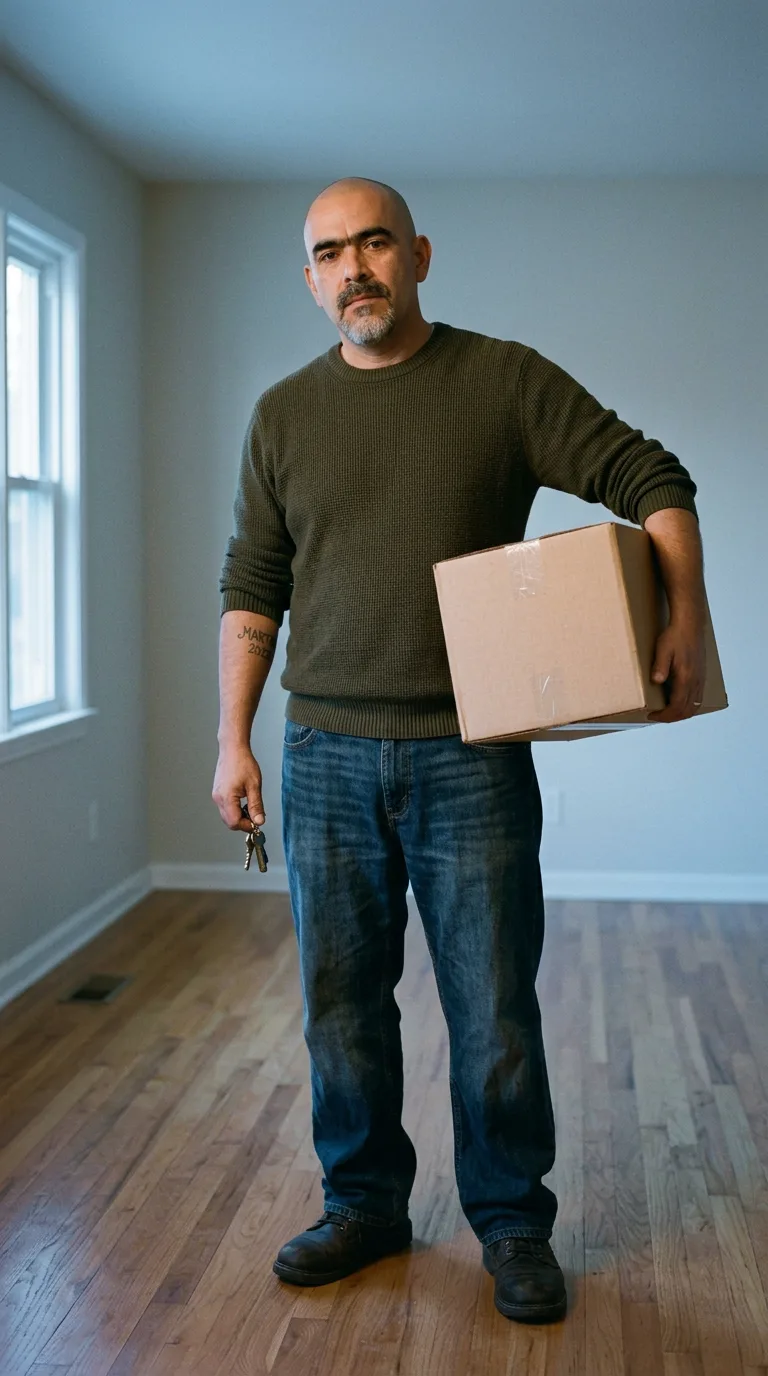
Rarest thing about him: Moving the last box into a new place — common, 1 in 104
Season 1seed 1988642897 · engine v11
Character card
lineage 2NZHHJ
His body-swap story
@colin.hasbrook, wearing an unnamed body, rolled the wheel on and woke up as Hector Villalobos, spent under a minute in him, then spun the wheel and woke up as Russell Kettner
The director's body is heavy in a way that has stopped surprising you, and this morning it surprises you again anyway — the gut pressing the waistband, the stubble that never quite becomes a beard, brown eyes in a face you've worn seven hundred and sixty-three times before and still catch yourself squinting into mirrors to find. You made two films with this body. Both flopped. The second one you don't even remember shooting, not really — remember is the wrong word for a man who arrives new into every skull with nothing but hunger and a spin behind him. What you remember is the wanting, after: sitting in a rented house that this body owned but you never furnished right, cracking open the site on a laptop at five in the morning because some part of you had already decided the director was a dead end, a body good for giving orders on a set nobody watched. You are bored in the specific, itching way that has nothing to do with money and everything to do with running out of reasons to still be someone. So you spin. The wheel does what it does. It does not ask.
You are moving a box against a hip that is not the hip you had a second ago — narrower, softer through the middle in a different way, skinny under fat rather than fat under muscle, and you nearly stumble with the surprise of a body that weighs less telling your legs less is coming. Keys hang from a lock still turning. Late sun. Empty front room, boards blond and bare, a window with no curtain yet. Somewhere behind your sternum a heart is going that has never once, in this life, belonged to you before this second.
You set the box down because your arms already knew to, before you had a name for the arms. You walk the room's edge instead, knuckles dragging the wall, and that is not a decision either — the hand does it, checking corners like it's done this in three other apartments before this one, like it knows what a good corner sounds like when you rap it, hollow stud, or dead air behind drywall.
The sweater is what opens first — waffle-knit, olive, worn soft under the arms — and it comes with his hands smoothing it down that morning in another kitchen, a wife's kitchen, boxes taped shut around the table legs, her saying you'll come back for the rest this weekend and both of them knowing that was a lie dressed as a plan, because this move is the divorce nobody filed yet, the slow kind, the kind that starts with a man taking the good sweater and the cheap keys to a one-bedroom nine minutes from his kids.
The jeans give you standing at a mezzanine rail — a whole year of it, forklifts crossing under fluorescent light, headset crackle, a clipboard he doesn't need but holds anyway because it makes the temp workers listen. Hector likes being useful in a room that would run without him and doesn't say so to anyone. The rail under his palms, cool, always a little greasy no matter how often maintenance wipes it down.
The tattoo on the arm, hidden now under the sweater's cuff but felt anyway, a warmth like a bruise remembering itself — MARTÍN, and a date, his son's, the year the boy was born wrong-early and lived anyway, six weeks in an incubator Hector visited every lunch break in scrubs he wasn't allowed to wear right. He got the ink the week they brought the baby home. His wife thought it was reckless. He thought it was the only prayer he knew how to make permanent.
There's a second name he doesn't have inked anywhere, and it comes up through the floor itself, through his sock feet against reclaimed oak — Lucia, twenty-two years gone, a woman from Boyle Heights who wanted Oaxaca and a life smaller than the one he built, who he still thinks about on freeway on-ramps for no reason he's ever explained to his confessor. He married someone else. He does not regret it. He also has never fully put Lucia down, and some men are honest enough with themselves to know both things can be true at once and stay married anyway.
The keys, cooling in the door where he left them, give you the drive over this morning — moving boxes alone at an hour that doesn't belong to a man with two kids and a wife still sleeping in the house he's leaving, which means: night shift, once, years back, still living in his bones as an hour when the world is his and nobody needs him yet. He chose this hour on purpose. He wanted to walk these floors before anyone else's schedule touched them.
His knuckles crack without you asking them to — left hand, one two three — an old tic, church-boy nerves that never left him, something he does at his daughter's recitals and in HR meetings and at the altar rail before communion.
Skinny-fat, forty-six, low back already complaining about the box he just set down, a body that golfs badly twice a year and calls it exercise. Good hands. Steady. A unibrow he has never once considered shaving, because his mother liked it and his mother is gone now and some things you keep just to keep her.
You look down at those hands — his hands, cracked knuckle still humming — and turn them over slowly the way you always do, checking, the ring catching afternoon light that hasn't decided yet whether it's morning where he is or evening where you left.
"Okay," you say, to the empty room, in his voice, low and a little rough, the cigar-rasp under it that isn't yours and now is. "Okay, Hector. Let's see the place."
You don't know yet how long the room stays his. Neither does he.