Harold Wayne Ruckman
Fictional. Generated by AI — not a real person, and no likeness of one is intended.
61, zookeeper in Small-town Ohio · rolled by @sione.taufa · card — no film
History
who has worn him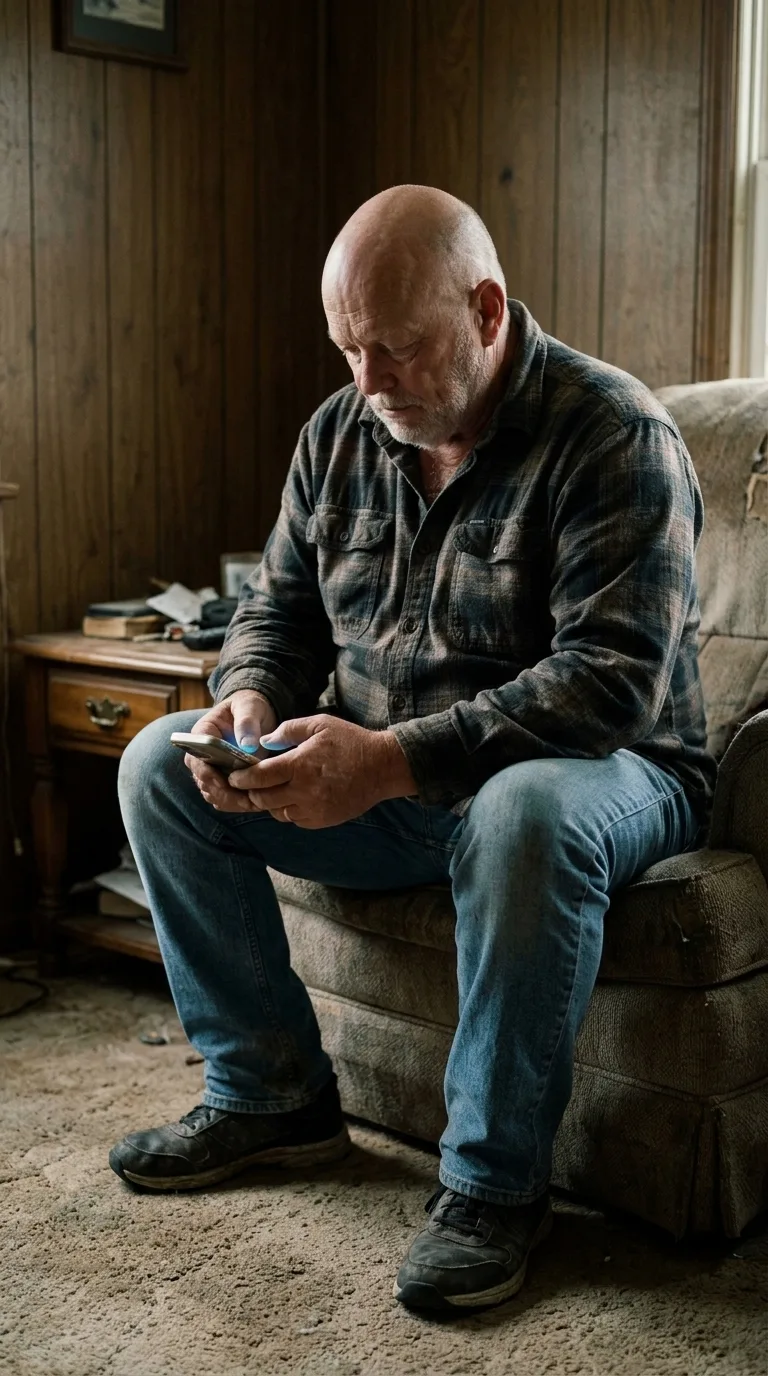
Rarest thing about him: Zookeeper — uncommon, 1 in 2,431
Face-off rating 1500 · not ranked yet
Season 1seed 123397104 · engine v11
Character card
lineage 8ZQHYV
His body-swap story
@sione.taufa, wearing Curtis Lamont Beasley, rolled the wheel on and woke up as Harold Wayne Ruckman, spent 1 minute in him, then spun the wheel and woke up as Raymond Eugene Tallchief
Curtis Beasley's knees are fine. That is the trouble. Two minutes in him and the machinist's body has asked for nothing: no ache, no hunger. I stand at his window on a Tuesday afternoon in Philadelphia, six and a half feet of working man, and I feel nothing pulling at me. The brown eyes in the glass look back like a coat that fits and tells me nothing. The scar through his eyebrow itches once. I have no use for it.
So I open the page with the wheel on it, and I pay, and I let the wheel go. I don't tell Curtis anything. There is no one left in there to tell.
*
White light on a thumb. Then a chair under me, wide and sagging, the nap of its arm rough against my forearm, and the phone gone dark and cold in a hand that is not Curtis's hand. This one is thick. The thumb still hovers above the black glass. I lower the arm.
The room is brown. Wood paneling, the light low and gray through a window on my right, a side table with books and a drawer pull gone dull. The air smells of old carpet, coffee, and a little woodsmoke gone stale in fabric.
My breath comes slow and deep and catches halfway, a belly's worth of breath. Sixty-one years sit in the joints, the left knee first, a dull hinge, then the lower back, a band of stiffness the chair has been feeding.
*
The flannel is on my back, soft with washing, and it gives me the morning at once.
He stood in a cold bedroom with the lamp off, buttoning the plaid from the bottom up because his fingers were stiff, and he did the cuffs last, left then right, the way he has since he was a boy. He stopped at the dresser. A pale band on his ring finger, and he rubbed it with his thumb the way you touch a tooth that is gone. Eleven years. He still checks.
The jeans are stiff at the thigh, and the cloth against my leg carries a fish smell, then a bucket's wire handle cutting into a palm, then a cold concrete yard and a door left open on a long dim corridor. Otters. The otters know his step. He whistles two notes, a falling pair, and they come skidding. Thirty-one years of that, and the feeling is not pride. It is closer to being needed by something that cannot lie about it.
My hand slides along the chair arm and finds a split in the fabric, and that opens a different afternoon: two kids on this chair, a girl and a boy, small, arguing over the remote. Their mother's voice from the kitchen. Her laugh, and his dimples answering it before he knew. I feel them now, deep in my cheeks, resting there with no one to smile at.
The shoes are worn soft, and with them comes Sunday. A white church, a hymnal gripped in these hands, the pew rail, a prayer he mumbles. Then a worse Sunday, empty beside him. After that comes a drink in a garage, a cigarette he allows himself only with the drink, a secret shame small enough to hold in one fist. And under it, the phone: his daughter's name, unanswered messages, a friend's text saying *try this, it's something new*. A lonely man's curiosity, nothing more.
*
I look at the hands. Wide, freckled, the knuckles scarred pale from latches and wire. The ring finger bare, the band of paler skin around it.
I turn them over. Then I look up at the dark window glass, at a bald head and a gray beard and blue eyes, and I speak in a voice with gravel in it.
"Well. Hello, Harold."
The knee throbs once, answering. Out there the street has one stoplight, and somewhere behind me an animal waits for a whistle I now know. I do not know how long this one is mine. The wanting is already stirring, small and patient, behind his ribs.