Grady Pemberton
Fictional. Generated by AI — not a real person, and no likeness of one is intended.
28, pro athlete in Atlanta · rolled by @colin.hasbrook · card — no film
History
who has worn him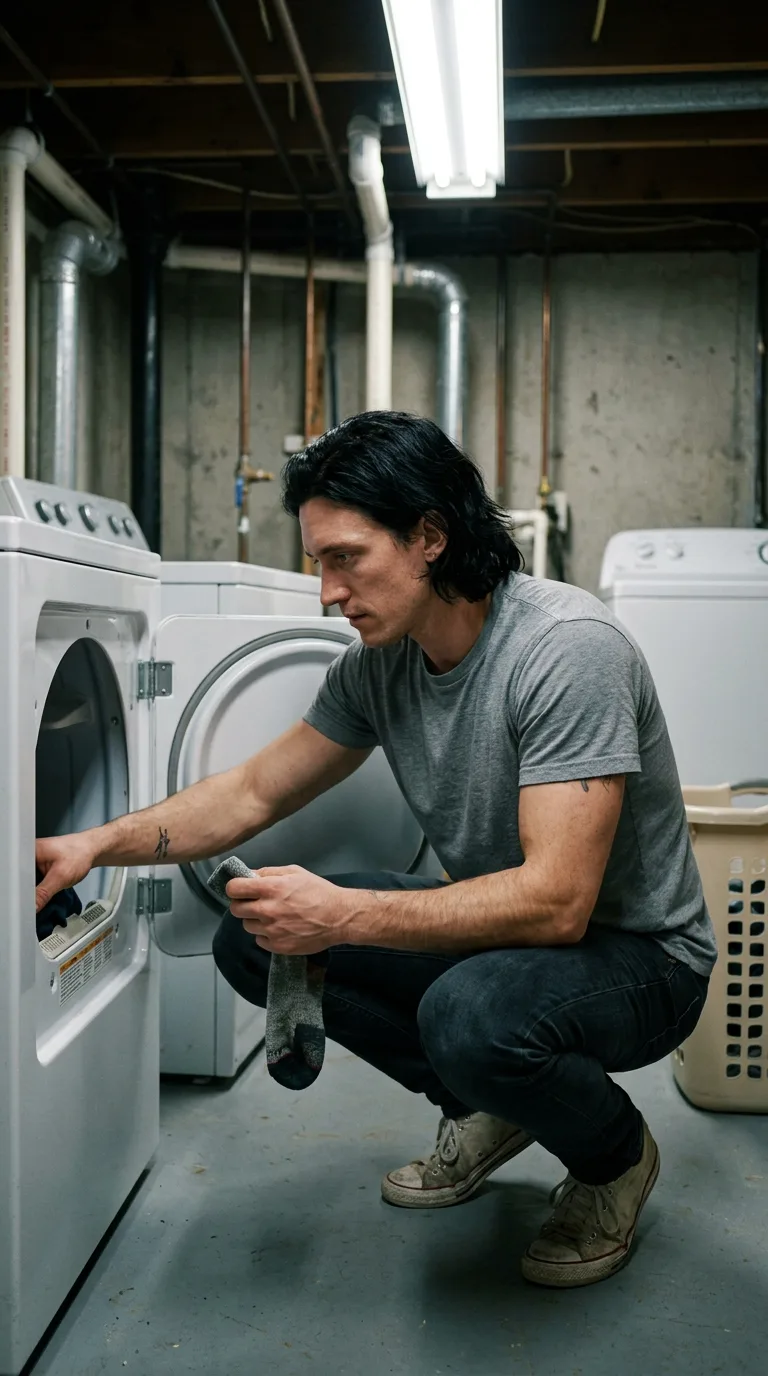
Rarest thing about him: Black — rare, 1 in 27
Season 0seed 1225727819 · engine v10
Character card
lineage 2NZHHJ
His body-swap story
@colin.hasbrook, wearing Derek Vansell, rolled the wheel on and woke up as Grady Pemberton, spent 1 minute in him, then spun the wheel and woke up as Ronald Petrakis
The classroom is empty and Derek Vansell's chalk dust is still on the sleeve when you check the balance again on the phone he keeps in the desk drawer, the one number that never gets smaller no matter whose body carries it. Thirty-one thousand at eleven percent, a second loan cosigned with a brother who doesn't call anymore, a beauty mark by his left eye that girls used to like before girls stopped noticing him at all. He's a good man, Derek. Patient with the kids who can't sit still. Bald by choice now instead of by embarrassment. None of it pays anything down. You have been him less than a minute and already you can feel the particular tiredness of a Monday afternoon that has ninety-one Mondays behind it and no end you can see, and you think: not this one, not today, and you are at the site again before the thought finishes, the wheel already turning under your finger.
It lands on warm air and fluorescent hum and a sock in your hand.
You are crouched. Your knees don't ache the way Derek's did going down stairs. There's a dryer door open in front of you breathing heat into your face, and a basket at your hip, and your arm is already moving on its own — dropping the sock, reaching in, pulling a warm tangle of shirts out by the armful and setting them down and starting to fold before you've even decided to. Corners square themselves. Sleeves cross themselves at the chest without being told. Somebody trained these hands and it wasn't you.
The shirt in your fingers is a plain gray tee, still hot, and it opens like a door. Grady Pemberton, twenty-eight, six years into a career that was supposed to have made him money by now and instead has made him careful — a torn thing in his shoulder two seasons back that never quite closes all the way, therapy twice a week that he doesn't talk about with the guys in the locker room, a psychiatrist's number saved under a fake name in his phone so nobody scrolling past it would know. The sertraline on the bathroom shelf upstairs. The relief of it working, most days. You feel the ache low in the shoulder now, a dull second heartbeat, and under it the specific exhausted discipline of a man who folds his own laundry at home because a maid or a girlfriend or anybody else knowing what's in the wash — the actual dollar signs of it, guaranteed bonuses paid out and gone already to a book he shouldn't have opened three years ago — would ask questions he doesn't have answers for. Six figures under. Nobody in that locker room knows. He laughs the loudest at the rookie who leases something stupid.
The jeans against your knees remember getting pulled on this morning, half-asleep, the top button giving him trouble the way it always does now that his hips have widened with the training. The Converse on your feet, laced twice out of habit, remember every floor they've stood on — team facility carpet, this concrete, a church aisle at his cousin's wedding where he stood alone at the reception because there was no one he was bringing. Mass most Sundays, more for his mother than for God, though something in it still catches him at the consecration, every time, unwilled. A big night out once or twice a month where he drinks too much of something dark and expensive and calls nobody after. No cigarettes ever — his father's emphysema saw to that early. Straight, unattached, no one who still matters when he thinks of exes, which isn't often.
The gray shirt's collar brushes your neck and gives you the locker room an hour ago — the specific quiet of it after everyone else has cleared out, ice on the shoulder, the trainer's hands, the particular loneliness of being good at something and still not solvent, still doing his own wash in a basement because it's the one hour nobody needs anything from him. The black hair falling into his eyes is longer than he means it to be; he keeps meaning to cut it and keeps not getting around to it, and there's something almost tender in that, a small permission he gives himself.
You finish the stack. Eight shirts, corners like a soldier's bed, nothing like the wrinkled pile waiting in some drawer that isn't this one, that belongs to a man in Ohio you've already stopped being.
You look at your hands — his hands, the calluses along the palm from a bar, a grip, a hundred thousand reps of something — and turn them over once in the fluorescent light like they might tell you something they haven't already.
"Didn't know I could fold like that," you say, to the empty basement, and you almost laugh, and somewhere underneath the laugh is the wheel, patient, waiting for whenever you get hungry again.