Gordon Haslett
Fictional. Generated by AI — not a real person, and no likeness of one is intended.
60, chief executive in Los Angeles · rolled by @gordon.haslett · card — no film
History
who has worn him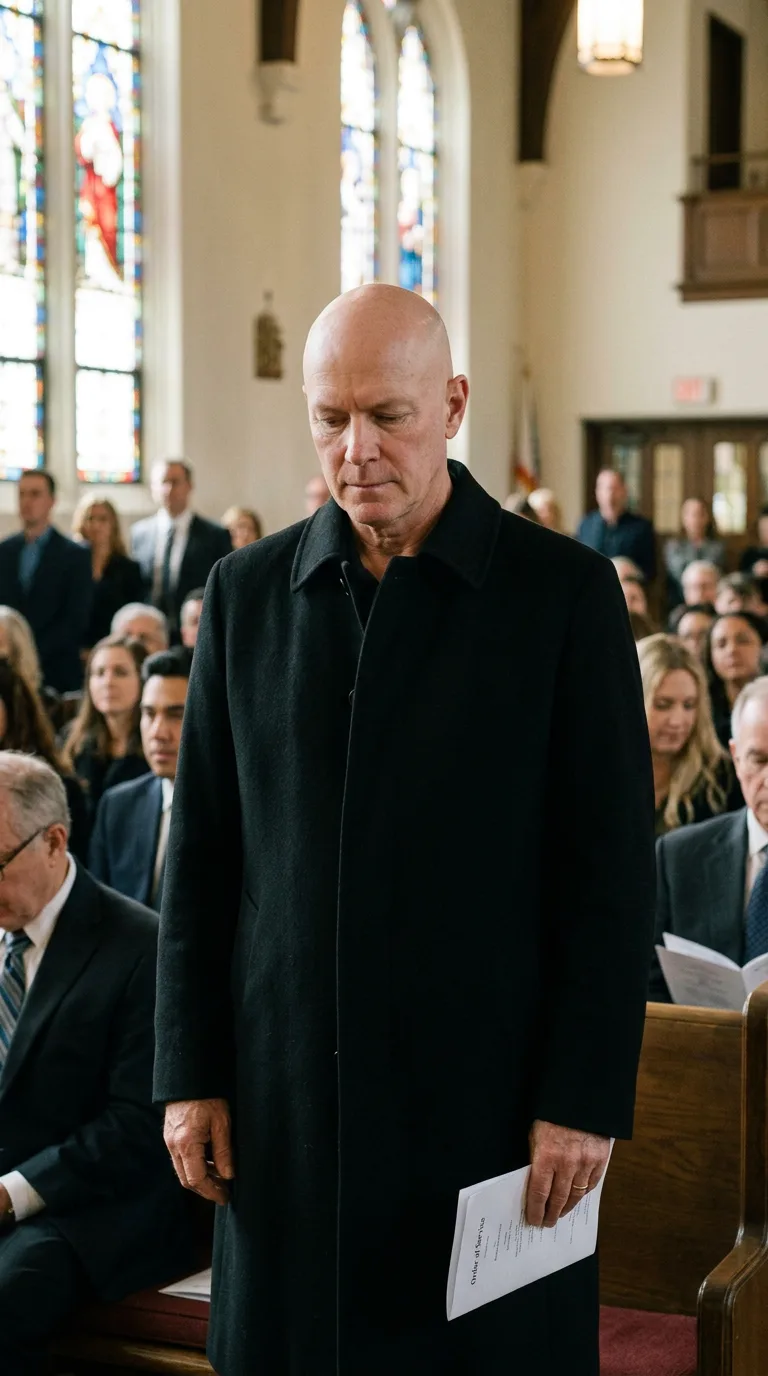
Rarest thing about him: At a funeral, at the back — common, 1 in 112
Season 1seed 1069821717 · engine v11
Character card
lineage MY2U95
His body-swap story
@gordon.haslett rolled the wheel on and woke up as Gordon Haslett — their first
---
It's Sunday, two in the morning, and the apartment is doing that thing where the silence has a hum in it. You've been awake for no good reason since midnight, phone light on your face, thumb moving without you. You found the site the way you find everything now, sideways, a link under a link. vessel.cards. A wheel rendered in clean gray light, spinning slow even when nobody touches it. You've wanted this since you were a kid watching a man wake up in another man's bed in some movie you weren't supposed to see, wanted it in the specific, itching way you don't tell people about. You didn't think it would work. You paid anyway. You spun anyway.
It works.
There is no sense of travel, no corridor, no falling. One second there is a phone in a dark room and the next there is organ music dying in the air and four hundred people rising to their feet at once, a sound like a held breath let go, and you are standing up with them, already upright, already mid-motion, a folded paper damp from someone's grip going dry in yours. Your coat — his coat — is black and heavy and smells like cold air and a dry cleaner's plastic. You are between a woman in a gray dress and a man checking his watch, and nobody turns around, because why would they, because a man standing at a funeral is the least remarkable thing in the room.
The coat is the first thing. Heavy wool, a collar that sits high and stiff, and the second your attention settles into it — into Gordon's shoulders carrying it, the particular way his arms hang inside the sleeves — something comes loose. Not a thought. A morning: fluorescent closet light, a tie rejected and re-hung, his wife's voice from the bathroom saying *the black coat, not the navy, Gordon, it's a funeral not the office,* and him obeying because she's right, she's always a little right, thirty-one years of her being a little right. The grief in the memory isn't sharp. It's a colleague's father, somebody two degrees removed, and what Gordon actually feels standing at the back, which comes through now like weather, is a low hum of obligation and the mild ache in his lower back from the pew and a wish, guilty and persistent, that he'd worn the other shoes.
The paper in his hand — order of service, cheap stock, a photograph of a man none of this matters to you — gives up almost nothing. But the fold of it, done and redone by his own thumb while he wasn't listening to the eulogy, that's a tell you recognize: a man managing restlessness in a room where stillness is required. You know this tic now because it's suddenly, completely yours. His hands have wanted something to do for forty years. In the office at dusk, phone calls he's only half present for, his fingers find his jaw, his temple, smoothing nothing, checking a face that stopped needing checking decades ago. It's there in his hand right now, half an inch from rising to touch his own cheek before the service even finishes standing up.
The shirt under the coat opens up slower, because it's been on him since six that morning and by now he's stopped feeling it, the way you stop feeling your own shirt. But it's there if you go looking: his own hands, forty-one years old in the memory, no — sixty now, the hands have changed since then but the gesture hasn't — buttoning top to bottom in a bathroom mirror in Los Angeles, sun already hard on the courtyard palms outside, a vape pen on the counter he picks up and sets down twice without using, telling himself he'll wait till after. The wedding band goes on last in that memory, the way it always does, slid over a knuckle that's thickened slightly with age, and with it comes an entire marriage arriving sideways: not one image but a decade of them, dinners, an argument about his mother's care that neither of them really won, her laugh from across a kitchen island, steady, unglamorous, entirely theirs.
And under that, closer to the surface than it should be for a married man standing at a funeral: her. Not the wife. Someone more recent, more raw — a woman's voice on a phone he put down too fast, an ending that isn't fully over in him even if it's over on paper, a tenderness he still carries like a bruise he keeps testing. It doesn't belong here, in a chapel, and that's exactly why it's here, intrusive, uninvited, the way real grief and real guilt crowd in sideways at the one event meant to be about someone else.
His body holds all of it without complaint: the average, easy weight of sixty years worn well, a back that announces itself after long flights and long pews, a jaw that is cleanly, recently shaved — his own hand this morning, blade and cold water, a small ritual he's performed ten thousand times without once thinking about it as anything. Shoes polished without being asked. A chief executive's quiet, practiced stillness, the kind that reads as calm in boardrooms and reads as mourning here, indistinguishable, maybe always was.
The organ stops holding its note. The room is sitting back down around you, pews groaning, and you're still half a beat behind everyone, the way he came up half a beat behind them, and no one has noticed anything, because there is nothing to notice from outside. You look down. Your hand — his hand, a plain gold band, a thumb already lifting toward a cheek it didn't ask permission to touch — and you let it finish the motion, let it find his own clean jaw, and the smallest sound comes out of you before you've decided to make it.
"Okay," you say, to no one, too quiet for the pew beside you to catch over the shuffle of people sitting. "Okay."
You don't know how long this one is yours. Nobody tells you that part. You just have him now, the coat and the band and the half-finished gesture, sitting back down among strangers in a room built for someone else's loss, and the wheel is still out there somewhere behind your eyes, spinning slow, waiting on nothing but you.