Gerald Nowicki
Fictional. Generated by AI — not a real person, and no likeness of one is intended.
59, plumber in New York · rolled by @colin.tarwater · card — no film
History
who has worn him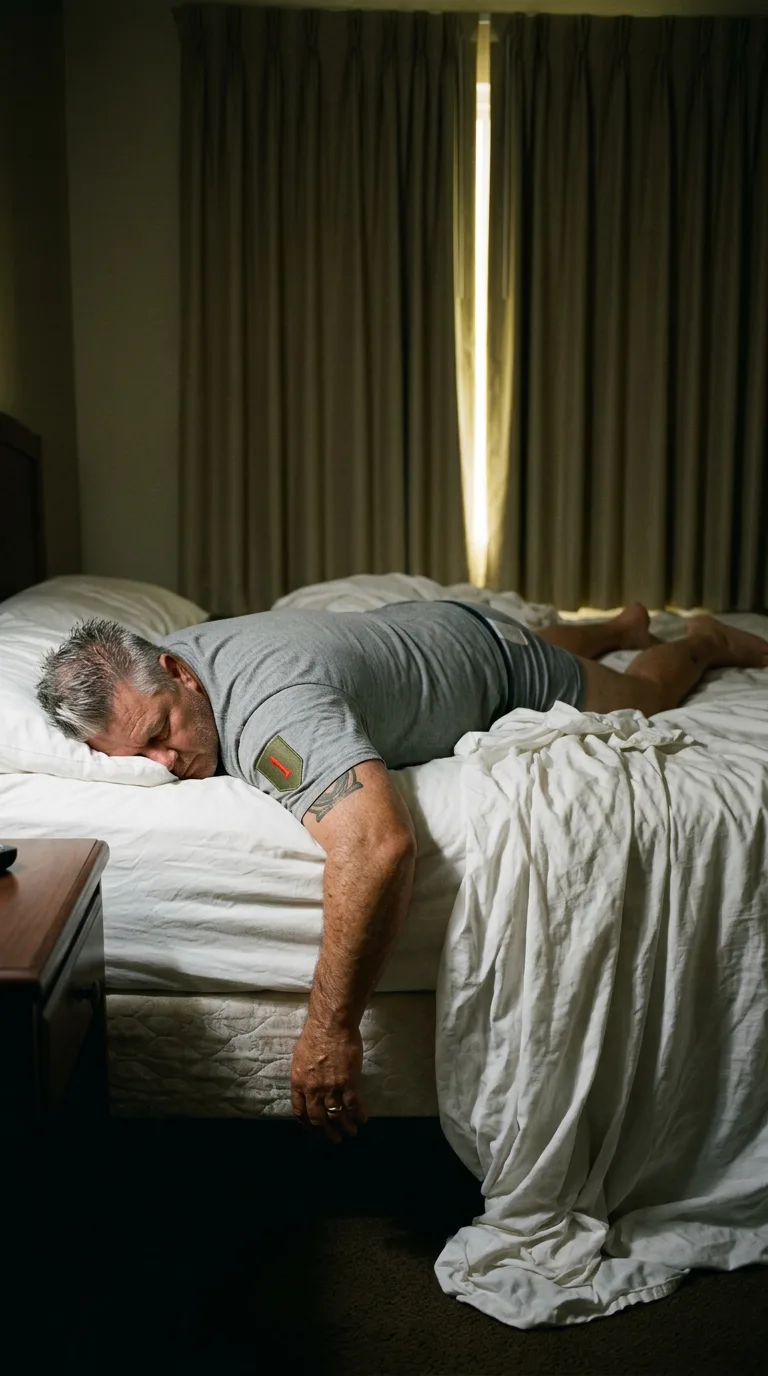
Rarest thing about him: A white streak in the hair — epic, 1 in 99
Season 0seed 416256417 · engine v10
Character card
lineage COEU7T
His body-swap story
@colin.tarwater, wearing Ruben Castellano, rolled the wheel on and woke up as Gerald Nowicki, spent under a minute in him, then spun the wheel and woke up as an unnamed body
You are Ruben Castellano for exactly forty seconds, and every one of them is wrong. You are standing in a Houston kitchen you have never seen, in a body five inches shorter than the one you spent last week wearing, and the unibrow itches like a rumor. The wrestling coach's hands — thick-knuckled, scarred at one thumb from a bad takedown twenty years before he was you — keep opening and closing a refrigerator he has no memory of stocking. That is the trouble with only having a man for a minute: none of him is loaded yet. He is a shape with a job title. You spun for a body that already had a life folded into the furniture, and you got one so fresh it has none. You are bored inside forty seconds. You go to the site on his phone, thumb an unfamiliar thumbprint that somehow still works, and spin again before the milk even goes back in the fridge.
The wheel does not ask why. It never does. It gives you weight, first — a lot of it, settling into your gut and thighs all at once, heavy in a way that feels like ballast rather than burden — and gives you sleep, a slackness in the jaw, a room you don't recognize going gray-gold at the edges of a curtain gap. The arm that was hanging off the mattress draws itself up like a marionette remembering its string. Hands fold at the chest. Breathing goes from nothing in particular to even, deliberate, someone else's rhythm laid over an old man's ribs. You have arrived mid-sentence in a sleep that was not yours to interrupt.
The sheets are the first thing that speak. Cheap thread count, a color that used to be white, hotel-laundered so many times it has no smell of its own except bleach — and under the bleach, unbidden, a whole week: a hotel outside Poughkeepsie, a job that ran long because the water heater in the second bathroom was original to the house and cursed. Gerald Nowicki drove two and a half hours home every one of six nights rather than pay for a room, except when the last customer's toilet backed up at 4pm and there was no making Brooklyn before dark. Then he stayed. He hates hotels. Something about the ice machine down the hall running all night reminds him of a barracks he was in forty years ago, and he does not examine why that isn't a comforting thought.
The pillow gives you his wife's name the way a bruise gives you the shape of what hit it — not the word itself, just the ache where it should be. Donna. Six years gone now, something in her heart that the doctors saw coming and he didn't want to. He still wears the ring. The hand it's on doesn't know how to stop wearing it, the way it doesn't know how to stay still generally — his hands have always needed a job, tapping a rhythm on a steering wheel, turning a pen over and over at his daughter's kitchen table while she talks, working a phantom wrench when there's no wrench to work.
The gray T-shirt against your back brings the sleeve patch into feeling before you even know what it is — stiff at the edges from being washed a hundred times, the fabric there thicker, and under it a flash: 1978, a base you couldn't name if asked, a unit number that used to mean something to a room full of men who are mostly dead now or scattered to Florida. He got out and became nothing anyone would call a hero, just a man who fixed pipes for forty years afterward, and some nights that trade felt like the better use of his hands anyway. Something under the sink always has an answer. Not everything does.
The overalls hanging on the back of the door — you can smell them from here, PVC glue and old coffee and a job site — bring the morning fully back: him sitting on the edge of this same bed eighteen hours ago, working one heavy leg into denim gone soft at the knees, hooking the strap over a shoulder that clicks now when he raises it too fast, lacing boots with fingers that have learned every knot they'll ever need to know. He'd caught his own reflection doing it — gray spikes, that one white streak up front like a skunk stripe his grandkids think is the coolest thing about him — and thought, not unhappily, *still here.* Fifty-nine and still here, heart doing its quiet arrhythmic thing that the cardiologist frowns about, hands that ache in the cold, a body heavier than he'd like but strong enough to still muscle a cast-iron tub an inch off the floor when he has to.
Two kids who call on Sundays. A church that has him for coffee hour setup because he's the one who doesn't mind arriving early. No drink in the house, hasn't been in years, and no craving for it either — just an evening quiet that used to have a second person in it and now doesn't, filled instead with a ballgame turned low and hands that won't stop moving until sleep finally takes them.
You feel all of it arrive in no particular order, the way a man's whole life comes apart in your palms when you finally touch enough of what he owns. Then you open your eyes.
You lift the left hand off your chest — heavier than you're used to, a ring on it that isn't yours yet is — and you turn it over slowly under the thin gold line of streetlight, watching a stranger's knuckles catch the light like they belong to somebody who has done real work with them for four decades.
"Hell of a thing," you say, out loud, to no one, in his rasp of a voice — and you don't know yet if that's true for one more night or for years, and neither does he, because he isn't in there to ask.