George Haddish
Fictional. Generated by AI — not a real person, and no likeness of one is intended.
61, plumber in Philadelphia · rolled by @george.haddish · card — no film
History
who has worn him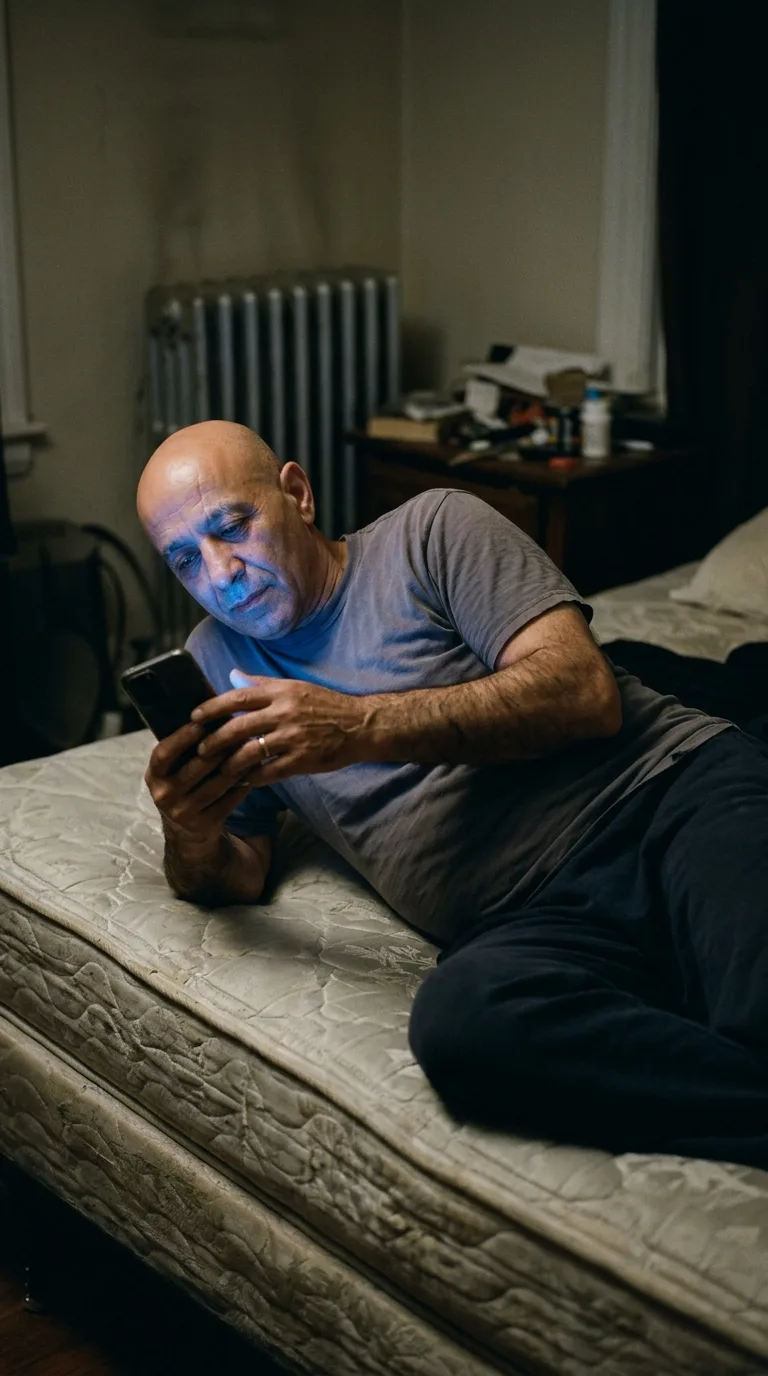
Rarest thing about him: Middle Eastern — rare, 1 in 34
Season 0seed 250463982 · engine v10
Character card
lineage DVZWXL
His body-swap story
@george.haddish rolled the wheel on and woke up as George Haddish — their first
The site loads slow on purpose, you think, like it wants you to sit with the decision — a plain grey page, a wheel drawn crude as a raffle wheel at a church fair, and a button that says SPIN in a font that doesn't match anything else. You have wanted this since before you knew there was a word for it. Every story where someone wakes up behind a stranger's eyes, every thread at two in the morning where people argued about whether it would feel like falling or like nothing at all — you read all of it and never once thought you would get to find out. Thursday afternoon, nothing on, the kind of dull you don't notice until you're already reaching for the card in your wallet. You pay. You spin. The wheel does what wheels do, and then it isn't spinning anymore, and there's a name at the center of it you have never heard before, and underneath the name a small photograph of a bald man in dirty overalls, smiling like someone asked him to.
There is no feeling of travel. That's the part nobody's fiction ever got right. One second you are looking at a screen that is not yours, and the next you are on your side in the dark, a mattress giving under a hip that aches faintly and always has, a phone six inches from a face that is not describable to you because it is the only face there is now. The thumb is already moving. It moves faster than it was moving before you arrived, flicking past a headline about the Eagles, past a video someone's cousin posted, past all the small nothing a man scrolls through when he can't sleep — and somewhere behind the eyes doing this scrolling, something like a light holds a beat too long, a blink that doesn't come when it should.
The room comes in through what he's touching, and only that way. The phone case first — rubbery, split at one corner, worn smooth where a thumb has rested a thousand nights — and with it a flash: him, sitting on the edge of this same bed at 4 AM two years ago, laughing silently at something his son sent him, careful not to wake anyone, though there's no one beside him to wake, because Diane's shift doesn't end till six and the bed's been half his for eleven years of marriage and he's long past minding the empty side on a work night.
The mattress under the hip. Cheap, replaced twice, never quite comfortable, and a whole decade rises up out of it — buying this frame off a guy two doors down who was moving to Delaware, Diane laughing that they were too old to still be furnishing a bedroom like newlyweds, the radiator against the far wall clanking every night from November to March in a rhythm George stopped hearing years ago the way you stop hearing your own name said too often.
The shirt against the back — a soft grey T-shirt, thin at the collar — gives up the morning it was put on, hours ago now by the room's clock though it feels like no time at all: George standing in front of the dresser at five in the afternoon before his overnight call-out, pulling it over his head one arm at a time, the left shoulder that clicks faintly doing what it always does, the small private wince he doesn't share with anyone because sixty-one is sixty-one and a man doesn't advertise it. Under that, the body itself arrives all at once, unbidden and total: the compact, thick-through weight of him, average build going a little soft at the middle, forearms still ropey and strong from thirty years of pipe wrenches, knees that complain climbing under sinks now in a way they didn't at forty, blood pressure medicine on the nightstand he takes without water most nights, and a mouth that still sometimes wants a cigarette eleven years after the last one, a wanting gone thin and habitual rather than sharp.
The wedding band on the left hand is warm from his own skin, and touching it — his thumb finding it out of an old unconscious habit — brings back not one day but a hundred folded into one feeling: Diane at the stove with her back to him, Diane asleep with her mouth open, Diane's hand finding his under the table at his daughter's wedding without either of them looking. And the daughter — Mira — grown now, a nurse in Allentown, and George on the church steps in a suit that didn't fit right, crying in the specific way men his age allow themselves to, once, in public, because a daughter only gets married the one time you're watching.
The scar in the eyebrow surfaces last, and small — a wrench slipping in '94, a job in Kensington, blood in his eye for a week and Diane furious at him for driving himself to urgent care instead of calling her. He is a careful man since. He checks his gauges. He kneels wrong on purpose to save his back. None of this is unusual to him; it is just Thursday, every Thursday, the whole unremarkable machinery of a life built slow and paid for in full.
You look down at the hand holding the phone — thick fingers, a life's worth of nicks across the knuckles, the ring catching what little light there is — and you turn it over once, slow, the way you always imagined you would if this ever actually happened to you.
"Diane," you say out loud, to no one, to the dark, in a voice that is not asking anything, just testing that it still works — and then you lift your eyes off the hand and into the black glass of the phone, where a face that has quit blinking at the right intervals is looking back out at you, waiting to find out how long it gets to keep it.