Gary Petrosian
Fictional. Generated by AI — not a real person, and no likeness of one is intended.
48, groundskeeper in Los Angeles · rolled by @gary.petrosian · card — no film
History
who has worn him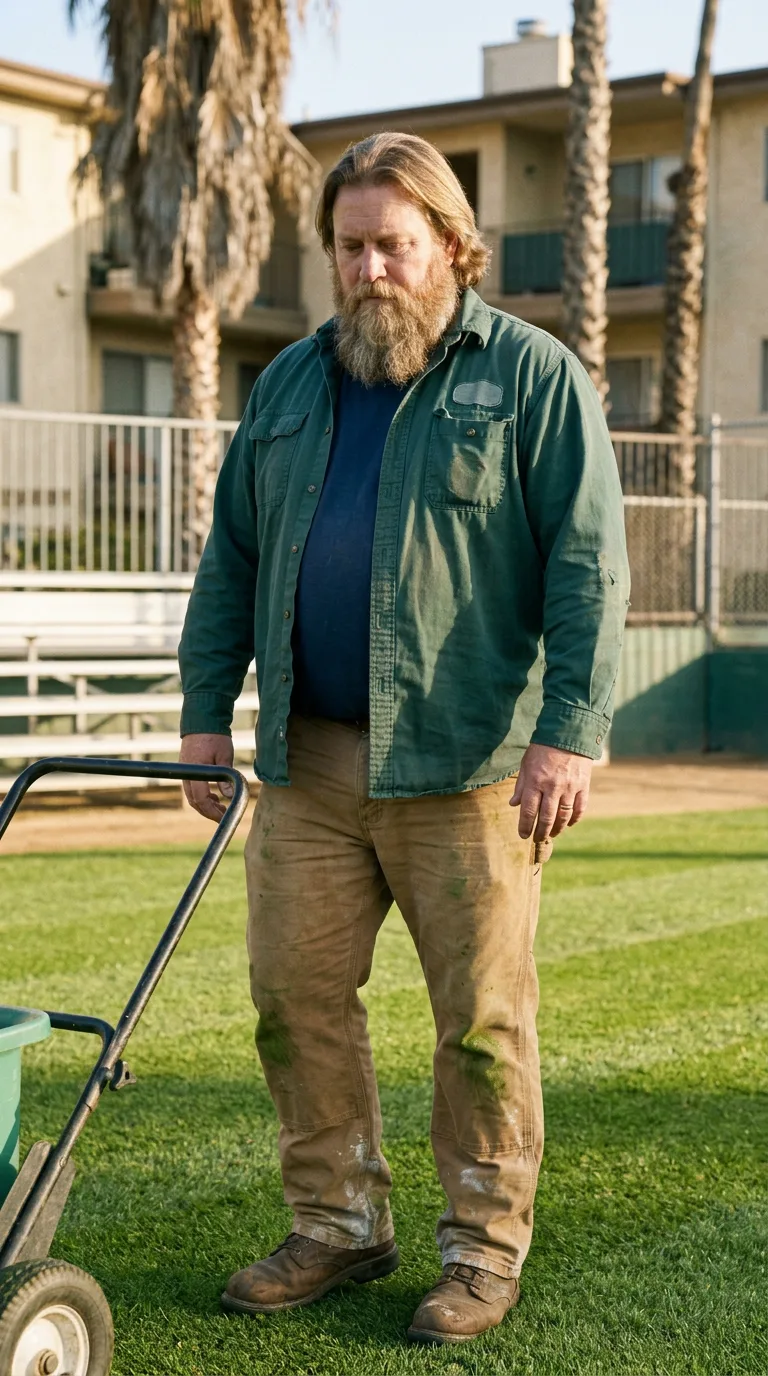
Rarest thing about him: Long beard — common, 1 in 76
Season 1seed 329412476 · engine v11
Character card
lineage RRH75V
His body-swap story
@gary.petrosian rolled the wheel on and woke up as Gary Petrosian — their first
The screen has been open for twenty minutes before you let yourself click it. Thursday, late, nothing on, the kind of night that has swallowed a hundred others just like it without complaint. You have wanted this for as long as you can remember wanting anything specific — not the films about it, not the stories, but the thing itself, the hinge, the moment where you stop being the only person you have ever been. It was never for sale before. Now there's a wheel on a page called vessel.cards, and a price that feels almost insulting for what it claims to do, and you have already typed your card number in before you've finished deciding to.
You spin it.
There is no falling, no tunnel, no countdown. There is a line, the kind of thing your body does so often it has stopped being a decision — some pull or push or turn — and halfway through it, it is not your line anymore. It is his. You are standing where he was standing, in the shape he was already making, a push-mower-shaped weight going into your palms, grass smell thick in a nose that isn't the one you had an hour ago, and the motion comes out wrong — the push catches, drags, corrects — and then again, slow, careful, like a man relearning a thing he has done ten thousand times.
The light is wrong for how your evening felt. It is early here. Early enough that the field is still gray-green and the dew hasn't burned off the chalk lines, early enough that the apartment block behind the backstop still has its lit windows. His body does not care that you arrived mid-dark and found morning. You feel, distantly, that this is a man who works when other men sleep, and then the thought is gone, replaced by weight — real weight, heavy through the gut and the thighs, a kind of tiredness already sitting in the knees before the day has even asked anything of them.
The shirt is against your back first, and it gives you something: a cramped bathroom mirror, fluorescent and unkind, a thick hand working a button through worn cotton, hurry in it, his wife's voice from the next room asking has he eaten, him saying he'll get something at the field, a small domestic lie they both know is a lie. Mara. Nineteen years married, and the ring is right there on the hand that isn't yours yet, plain gold, scratched dull at the band where it rests against the mower grip all day. You feel, folded into the shirt, a whole decade of putting it on in the dark so as not to wake her.
The gloves — no, no gloves, bare hands, and the mower handle gives you the rest: the job, fourteen years of it, this field and three others rotated through a week, lines mowed so straight you could lay a ruler against them, a foreman who never says thank you and doesn't need to because the grass says it. There's a flash of a Little League opening day, parents in the stands, a kid rounding third on turf he laid down at five in the morning, nobody looking at him, which is fine, which is the job. He likes the job. Didn't expect to, twenty years ago. Does now.
The boots against the ground give you more — a knee that complains on cold mornings, the stiffness of a heavy man's stride, the particular ache that comes from forty-eight years of carrying weight he has stopped apologizing for. Strong across the back and forearms in a way that has nothing to do with gyms. Hands that know, without being told, exactly how hard to grip, exactly when the blade's catching on a sprinkler head before the ear even registers the sound.
Something else comes up unbidden, through the beard when your jaw brushes the collar — a woman who isn't Mara, years gone, a name that surfaces soft and aching and refuses to attach itself to anything but a feeling: young, unfinished, a door he didn't walk back through. It passes through you like weather. It is not yours to keep and you don't try.
And under all of it, steady as the mower's hum, the small animal habits of him — the vape in his shirt pocket he hasn't reached for yet this morning, the way his hands, left alone, drift toward each other and crack a knuckle, crack another, an old tell nobody in his life has ever mentioned because why would they. Church on Sunday. No drink, ever, not once, not even the bad years. A plain man built out of plain things, none of them asking to be noticed, and you notice all of them anyway because you are new here and everything is loud.
You stop pushing the mower. You lift both hands in front of your face — his face, his hands — heavy-knuckled, grass-stained at the first joints, the ring catching the early sun.
"Okay," you say, out loud, to the empty field, in a voice that is his and isn't, "that actually worked."
You don't know for how long. Nobody does. You go back to the mower because the stripe is half-finished and some discipline in the muscle wants it finished, and somewhere behind that want, smaller, already stirring, is the other one — the one that brought you here, asking when you'll spin again, and who you'll be wearing when you do.