Curtis Ellerbee
Fictional. Generated by AI — not a real person, and no likeness of one is intended.
63, sales rep in Boston · rolled by @connor.waskiewicz · card — no film
History
who has worn him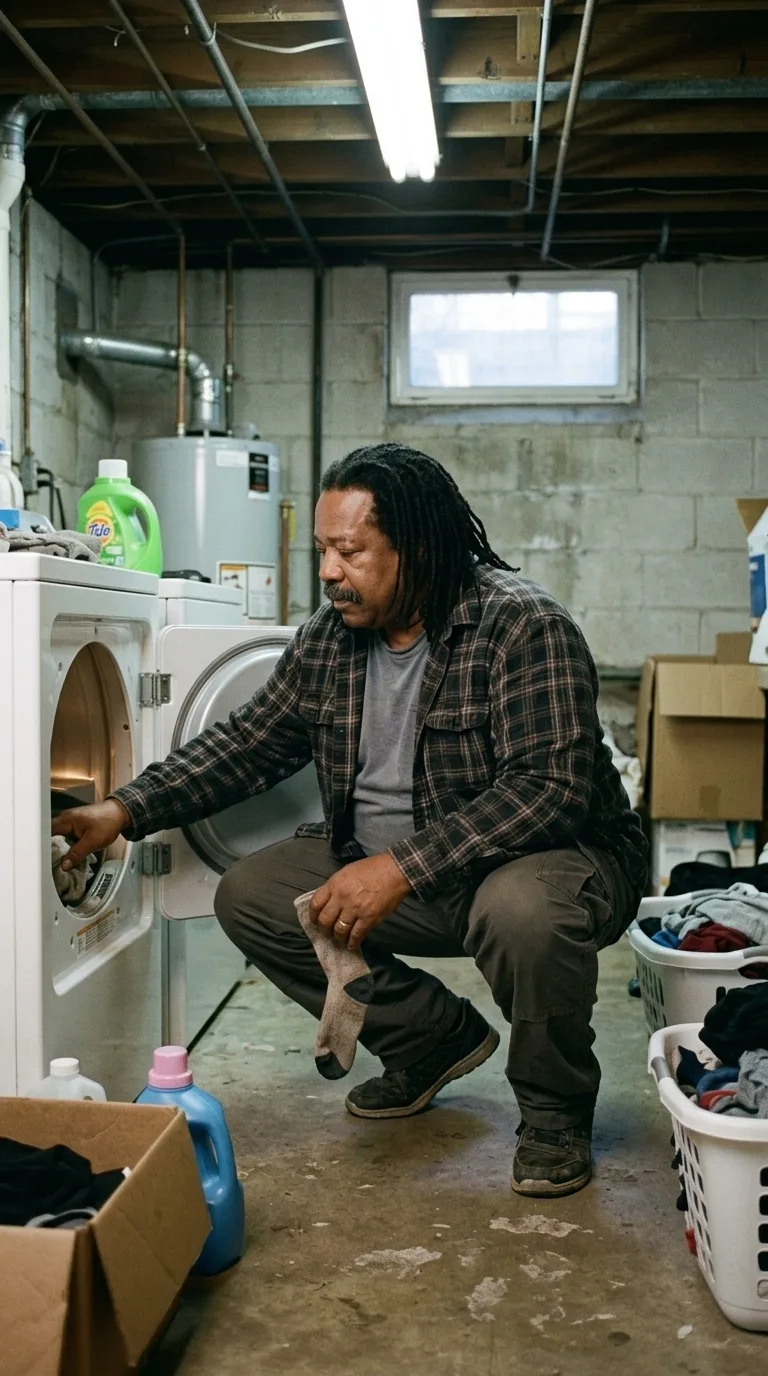
Rarest thing about him: Widowed — common, 1 in 84
Season 1seed 753025377 · engine v11
Character card
lineage 2NZHHJ
His body-swap story
@connor.waskiewicz, wearing Efrén Dominguez, rolled the wheel on and woke up as Curtis Ellerbee, spent under a minute in him, then spun the wheel and woke up as Desmond Pettaway
You are standing in a kitchen in Small-town Ohio before the day has started, and the body you wear is tired of you. Efrén Dominguez, thirty-seven, between jobs. His hazel eyes look back from the dark window over the sink. The scar through his eyebrow itches when he frowns. He has been yours for less than a minute, and already you know what he is. A man who wakes with nothing to get up for. His knees are fine. His back is fine. The coffee maker ticks. Nothing is wrong with him, and that is the trouble. You have stood in a hundred kitchens like this one, and the wanting has come back before the coffee finished. You open the page. The wheel is already turning.
Cold, then warm. Concrete under the balls of your feet, a crouch you did not choose, thighs bunched and burning. A tube of light hums overhead. Your left hand is deep in the dryer's heat and your right holds one gray sock. You are heavy, and the weight sits low and settled. Your breath comes slow and wide.
The sock is wool, thick at the heel, and it opens something. Not a picture, a feeling: a woman's laugh from the next room, and him pretending to be annoyed that she bought them in bulk. Good socks, Curtis, she said. Your feet carry you all day. His name arrives that way, in her voice.
The wedding band is warm from the dryer drum. Under your thumb it turns easily, worn thin. He never takes it off. Not to wash, not to sleep, not the night the hospital sent him home with her coat in a bag. The grief is not yours, so it comes in sideways, like a hand on the back of the neck. You hold still until it passes.
The plaid flannel against your shoulders brings this morning. His thick fingers working the buttons, bottom to top, because the top one always fights him. The gray tee under it, washed soft. Cargo pants with the knee gone pale. The lanyard hung on its hook by the door, because Thursday is the hotel lobby and the long chairs and the clients who nod and never sign. Tonight he does laundry instead. He folds in the dead hours because sleep stopped being reliable. He has done it every week for four years. His daughter calls on Sundays. His son does not call, but sends photographs of the grandchild with no words.
The locs fall forward against your cheek, heavy, and smell of cedar oil. Something comes with that: a barber's chair years ago, his refusal, forty years of refusing, a decision about who gets to say what a professional looks like. The moustache rides above your lip. When you press your tongue to your teeth the scar in the brow tugs, and you get a flash of a fence, a boy, a nail, his mother's hands.
Your knees ache and your hands know exactly what to do. They are already lifting the warm load, shaking out a shirt, squaring the corners.
You look at your hands. The band. The wide brown palms, creased and sure. You turn them over.
Then you lift your eyes, and your voice comes out low and unfamiliar in your chest. "Good socks," you say.
It is warm in here. It is quiet. You do not know how long this lasts, whether the wanting will come back by the time the basket is full, or whether you will still be him when the light comes up in the little window.