Craig Buttermore
Fictional. Generated by AI — not a real person, and no likeness of one is intended.
34, software engineer in New York · rolled by @craig.buttermore · card — no film
History
who has worn him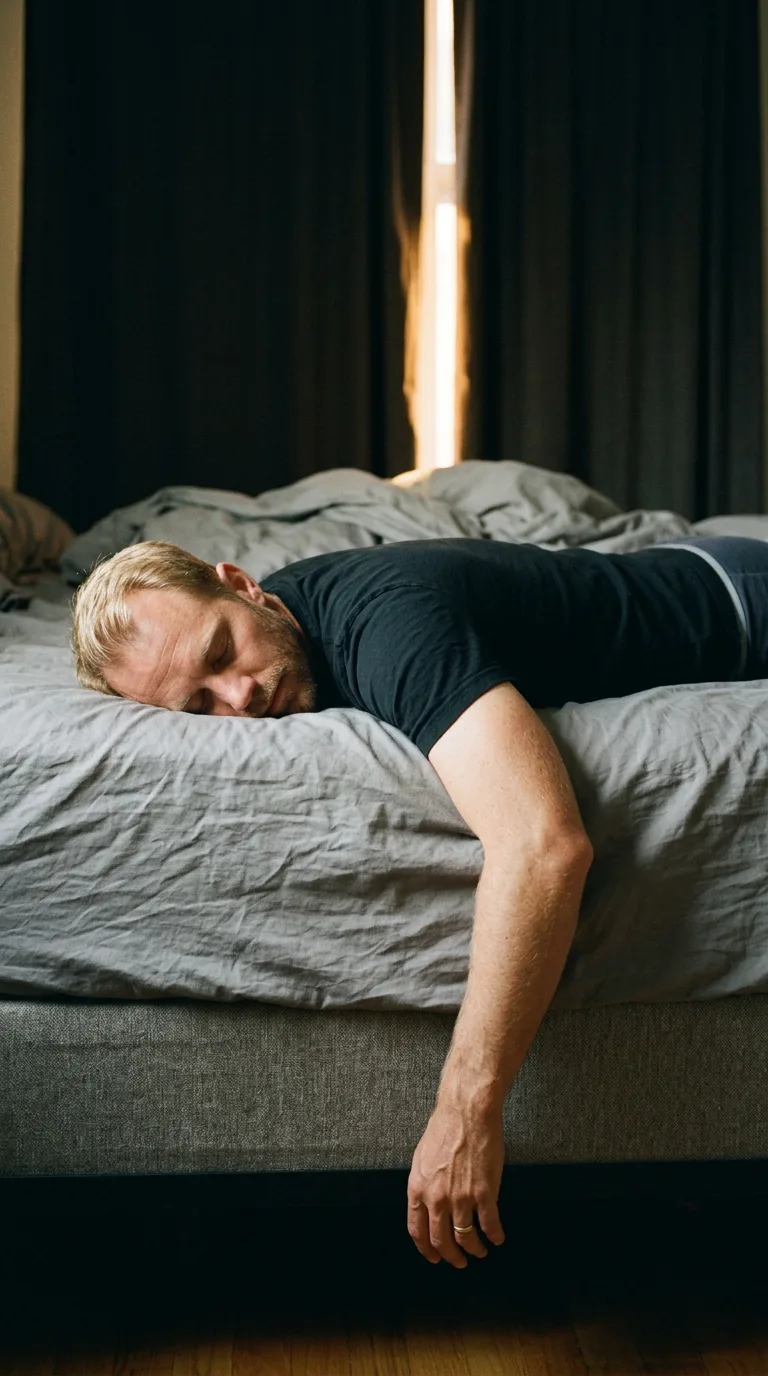
Rarest thing about him: A cleft chin — common, 1 in 25
Season 1seed 602455005 · engine v11
Character card
lineage FMYIR3
His body-swap story
@craig.buttermore rolled the wheel on and woke up as Craig Buttermore — their first
The screen has been the whole night. Tabs open and closed, a video finished and another one started, the particular nothing of a Sunday that got away from you again. You have read the threads at two in the morning more times than you'd admit — the ones about slipping into someone else's life, someone else's skin, waking up behind a face that isn't yours. It was always fiction. Always a movie, a story, a thing you wanted the way you want a dream to keep going after your eyes open. Then the site. Plain as anything. A wheel on a page, a price, a button. You didn't believe it. You paid anyway, because the wanting had been there so long it had stopped feeling like a decision.
The wheel spins and there's no ceremony to it, no falling, no light. There's just weight — a whole body's worth, arriving all at once. You are face-down in sheets that aren't sheets you know, one arm hanging off a mattress into cooler air, and the breath that was ragged a half-second ago goes even under you, like something exhaling on your behalf. You feel the arm first — heavy, a stranger's proportions, tendons you didn't choose — and it draws itself up without your really willing it, the whole body rolling onto its back, hands coming to rest folded on the chest, a posture that some deep unconscious part of him would never have chosen and that you don't know is wrong yet.
Streetlight comes through a gap in the curtain in one thin blade across the ceiling. Somewhere below, a car passes wet asphalt. It's the middle of the night here — you can feel it in the stillness of the apartment, the particular hush of everyone else asleep — though where you came from it was just evening, just a dull Sunday you were killing. Two clocks, and you're the one holding both.
The memories don't come as a gift. They come as static first — his heartbeat slowing to something normal, the smell of the pillow, fabric softener and someone else's shampoo — and then, through the ring on the left hand, resting now against the sternum, a whole morning arrives at once: a courthouse steps ceremony, cheap flowers, a woman named Elise laughing at something the officiant said, too nervous to get through his vows clean. The ring had felt strange on his finger for the first six months. It doesn't anymore. It's just weight now, the way a body is just weight.
The sheets under the shoulders bring back August — a fight about nothing, about everything, about a woman named Priya who isn't in the apartment anymore but who was, once, before Elise, in a life that ended so long before this one that it shouldn't still have a texture, and yet it does, sharp as a paper cut: her voice, a bar in Greenpoint, the specific guilt of comparing her laugh to his wife's laugh at three in the morning when he couldn't sleep. That guilt is old and worn smooth, a stone carried in a pocket so long it's stopped being a stone and become just weight, again — the body's whole vocabulary, it turns out, is weight.
Down the hall, small and constant, a night-light hums — and just holding that fact, unbidden, brings the son. Two years old. A late walker, an early talker, a kid who says "again" like it's the only word that matters. The father in this body has stood in that doorway more nights than he's slept through, watching a chest rise and fall, feeling something so large and stupid and ungovernable that it isn't even like the love in the wedding photo — it's before language, this one.
The forearm remembers the desk. Two monitors, cold coffee, the specific ache of eight hours standing because someone told him standing desks would fix his back and instead gave him a different backache in a different place. He is good at the thing he does and has stopped being interested in it around year six, and doesn't say so to anyone, not even Elise, because what would be the use. There is a version of him, three years back, that quit for four months to freelance and came back quieter. Nobody asked why. He never told them it was fear, plain fear, the kind that doesn't have a story, just a Tuesday where he couldn't make himself open the laptop.
The stubble under your — his — jaw when the hand drifts up to it without asking permission: two, three days of not shaving, a small rebellion against a Monday that's already begun somewhere outside this room whether he's ready or not. The cleft in the chin, when fingers find it in the dark out of some old habit, brings back nothing in particular — just years of people mentioning it, strangers, Elise on the first date saying it like a compliment she hadn't planned on giving.
Then: the shirt. Not on the body now — laid over a chair, but the memory comes anyway, sleeve by sleeve, a morning eleven hours behind this one, him dressing for a day that already happened, tugging the collar straight in a mirror, checking his hairline going without checking it, the way you check a wound you've made peace with. Sandy blond hair pushed back at both temples into that shape he calls, privately, the M, like it's a brand he didn't ask for. Thirty-four and already receding — the first time it bothered him, now it's just Tuesday's face in the mirror.
The body itself, underneath all of it: athletic in a way that costs upkeep now instead of coming free, six feet of a frame that used to play something in college and doesn't anymore, a lower back that complains on the second flight of stairs, hands that know a keyboard the way other hands know a wrench — muscle memory with no muscle to spare. It is, on the whole, a good body. Cared for. Tired in the ordinary way of a man with a kid and a mortgage and a marriage that has settled into its weather rather than its weekend, and none of that unhappiness, none of it — it's just accumulation, the residue every year leaves if you're paying attention.
You lie there a moment longer in it, in the dark, in the hum of the night-light down the hall, feeling how much has just been given to you without your ever having earned a single hour of it.
Then your — his — eyes open, and the hand that was folded on the chest lifts into the thin blade of streetlight, and you turn it over slowly, knuckle to palm, palm to knuckle, like you're checking it's real.
"Okay," you say, out loud, to no one, in his voice. "Okay."