Colin Havrilla
Fictional. Generated by AI — not a real person, and no likeness of one is intended.
29, paralegal in Anchorage · rolled by @colin.hasbrook · card — no film
History
who has worn him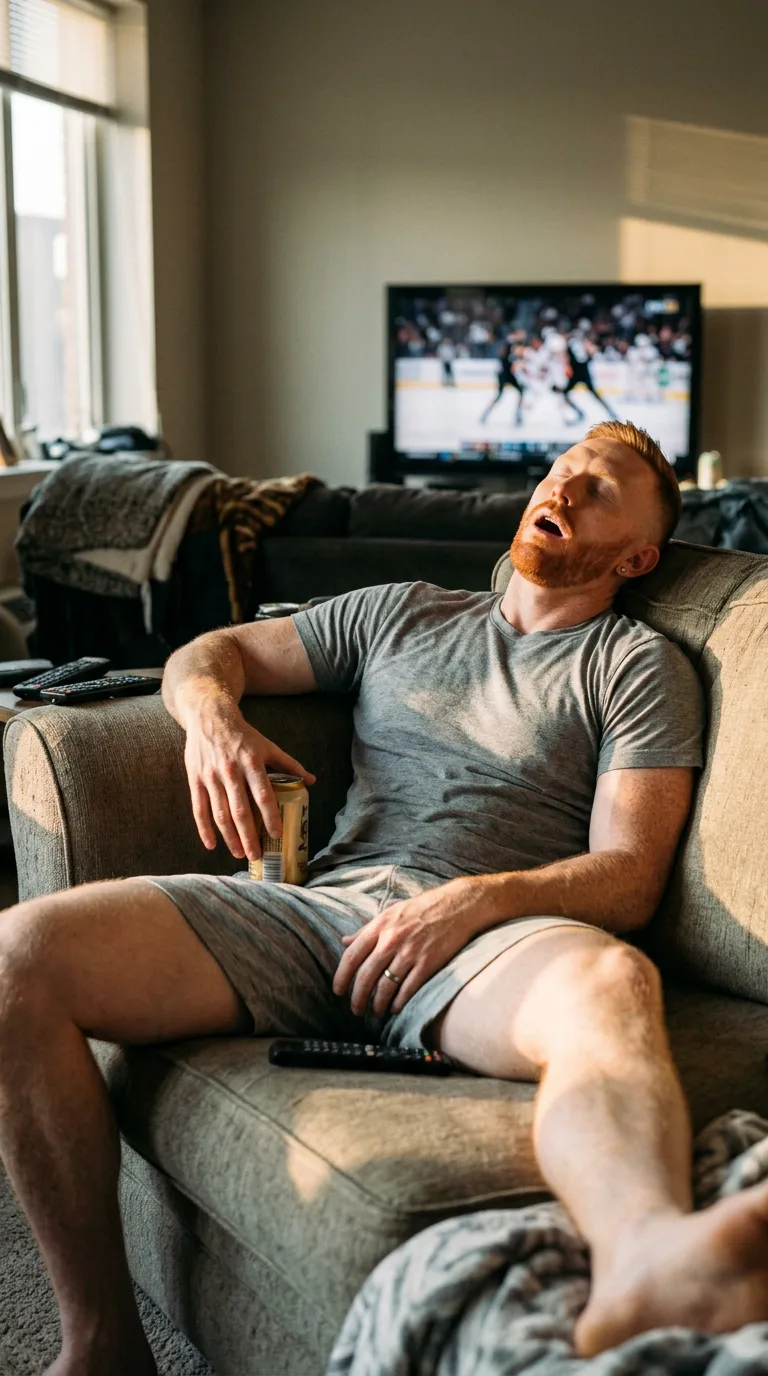
Rarest thing about him: Paralegal — uncommon, 1 in 1,064
Season 1seed 1292037727 · engine v11
Character card
lineage 2NZHHJ
His body-swap story
@colin.hasbrook, wearing Corey Vantassel, rolled the wheel on and woke up as Colin Havrilla, spent 5 minutes in him, then spun the wheel and woke up as Shane Ostrander
You are Corey Vantassel for the length of a held breath, standing in his kitchen in Small-town Ohio with a dish towel still in his hand, and you already know you are done with him. Not unhappy — he's a good body, quick feet, a dancer's balance you've enjoyed borrowing for the last minute of his life — but tonight after rehearsal something in his knee caught wrong on the turn, a small ugly click that isn't pain yet but will be, and you have eight hundred and sixty-one other men behind you who taught you exactly what that click becomes in a year. You didn't come this far to nurse a joint. You set the towel down on his counter like you're setting down a rental car, and you think, not unkindly, sorry, man, and you open the site on his phone with his thumbprint, which still works because you are, for one more second, wearing it.
The wheel spins somewhere behind your eyes and then there is no Corey at all — there is a couch, a warm can loose in a hand that is not asking permission to be loose, a television throwing blue-gold light across a room that smells like carpet cleaner and cooling pizza, and a man's own snore catching in his own throat and stopping. Your head is tipped back against a cushion. Your mouth is open. On the screen a puck is already past a goalie who never had a chance, the crowd rising, and you — new to this face, new to this weight, a solid two inches and twenty pounds more than you just had — you sleep through the goal the way he was always going to sleep through it, and come up out of it on the replay, thumb finding the remote with a small unasked-for accuracy, turning the volume down two clicks before you even know why that number matters to you.
It matters because his wife is asleep already down the hall — that arrives first, off the remote itself, the particular give of its buttons worn smooth under one thumb for three years, evenings just like this one, her early shift meaning the television gets quiet by nine whether the game's over or not. You didn't decide to lower it. He did, ten thousand times, and his hand still knows the choreography.
The can in your other hand is warm, half gone, and it gives you the drive home from Cody's wedding two summers back, white knuckles at ten and two on ice nobody salted, and under that, further down, the reason you only ever drink a few times a year at all — a youth pastor's voice from twenty years ago, still patient, still certain, and a version of you at nine deciding some things are for Sundays and some things are for never, and this — a beer, once in a while, watching hockey — landing somewhere safely in between.
The shirt is gone, it's just the gray t-shirt and the loose shorts of after-work, but the memory of the shirt is still in your shoulders anyway, because you dressed this morning in the same rotation you dress in every morning of your working life: white shirt off the hanger, the crease where it always creases at the elbow no matter how it's ironed, the tie — navy, narrow, the one your daughter picked out at the store because she liked the little dots — knotted twice and adjusted once in the hall mirror while she ate cereal behind you and told you it looked "like the ocean." The belt cinched to the worn notch. The studs pushed through both earlobes, a habit so old your fingers do it without your eyes. The wedding band you slide on last, always last, a small private ceremony you've performed for three years without once thinking of it as one.
The file room comes up through your palms next, though your palms are empty now — ghost-weight of banker's boxes, exhibit stickers, the particular ache across the meat of your shoulders that isn't injury, just Thursday, just eight hours of lifting other people's disasters into alphabetical order. You like the work more than you'd say out loud. You like being the one who finds the missing page.
Under all of it, further down than dressing, further down than work, is the boy — not a baby anymore, three years old and loud about it, and the memory that surfaces is not a big one: him on your shoulders in the driveway in July, both of you looking up at the mountain because he asked where the top was, and you telling him you didn't know, nobody's ever seen it, and him accepting that with total seriousness, the way he accepts everything you tell him. That one comes with an ache that isn't in the knee or the shoulders at all.
The couch holds you the way it's held you every night this week, and the tarp-covered snowmobile out past the window you can't see from here but know is there, blue plastic gone dull with old snow, plywood siding behind it catching the last long amber light of a day that started at dawn and never really warmed up. Evening here. Different hour where you started, and you register the seam of it distantly, the way you'd register a time-zone joke — funny that it's late where you were and early where you are, and none of it matters now, because there is no longer a where you were.
You look down at the hand around the can. Knuckles broad, freckled, a plain ring catching the TV light. You flex it once, and without deciding to, you crack the knuckles, one two three, a small dry percussion that isn't yours and already is.
"Okay," you say out loud, to the empty room, to no one, to the game replaying a goal that already happened. "Okay."