Caleb Redcloud
Fictional. Generated by AI — not a real person, and no likeness of one is intended.
32, family doctor in Phoenix · rolled by @connor.waskiewicz · card — no film
History
who has worn him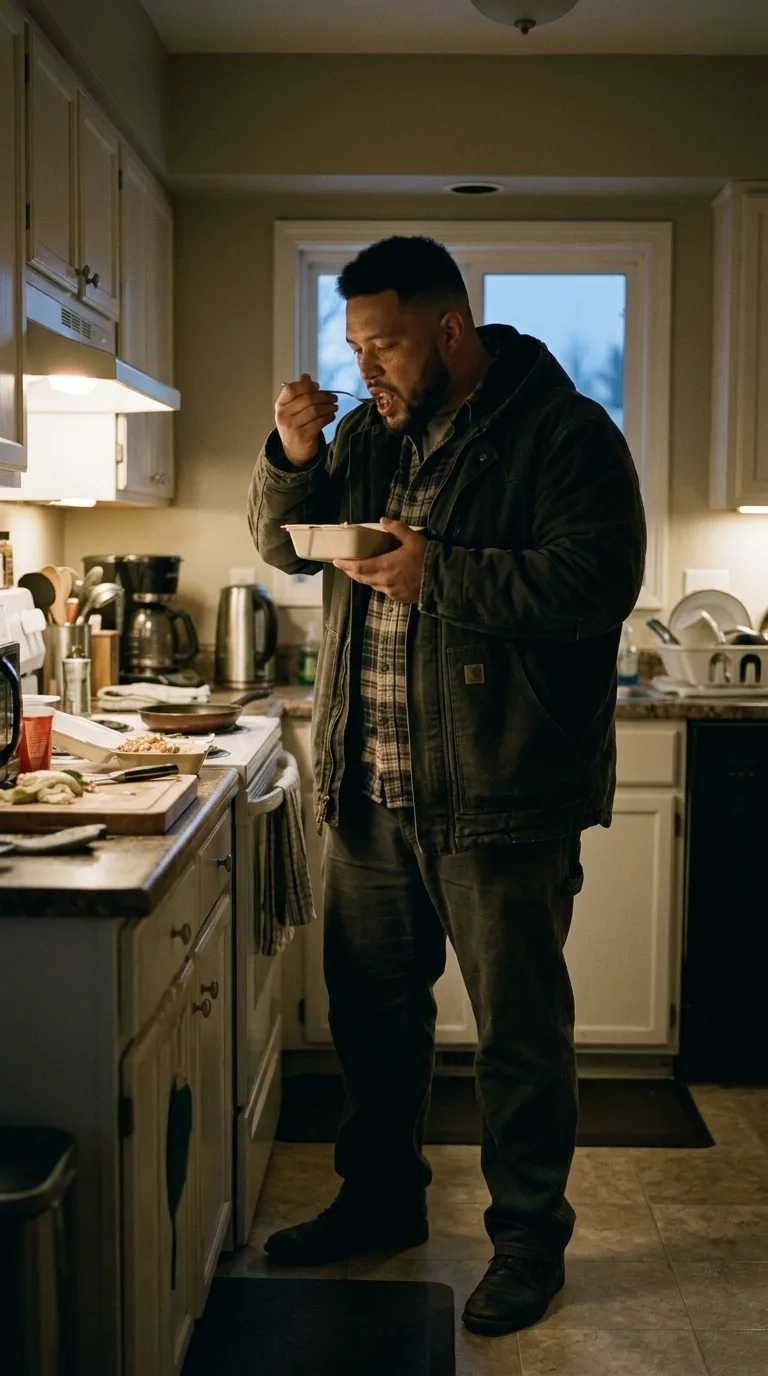
Rarest thing about him: Family doctor — common, 1 in 214
Season 1seed 1179061256 · engine v11
Character card
lineage 2NZHHJ
His body-swap story
@connor.waskiewicz, wearing Samer Haddadin, rolled the wheel on and woke up as Caleb Redcloud, spent under a minute in him, then spun the wheel and woke up as Sunil Parekh
I am standing in a hospital corridor in Samer Haddadin's clean white sneakers, and the morning is bright and loud. He is thirty-three, and a nurse, and he has been mine for less than a minute. A woman at the station says "Samer, you got a second?" and I do not turn. I look at the silver I can see at the edge of my vision, the nose that was broken once and healed with a slight lean. It all works. Nothing is wrong with him.
That is the trouble. Something small happened a minute ago, a chart, a name, a phrase said to me gently, and I knew I could not stay in a body where it was said. I will not say what it was. I step into the stairwell, hold the phone in his steady hand, and press the wheel.
The fork stops.
Cold air on a warm mouth. Rice on the tongue, salt, ginger, a little burnt garlic. I am standing, weight on the left heel, a container balanced on my left palm and the fork lifted in my right, and I am heavy in a new way, thick through the middle, thick through the thighs, all of it carrying me low and solid. The window is dark blue and my own reflection is somewhere in it. My right knee is bouncing. I did not tell it to.
The coat is heavy canvas, stiff at the cuffs, and the first thing it gives me is not a picture but a smell: diesel, dust, a truck stop. Then I have it. A hand pulling this coat off a hook in a doorway, in the dark, because the heater in the clinic always dies before dawn and he has learned to dress for the building and not the weather. He put it on over the plaid. He will take the lab coat out of the car later. He wanted to eat first. He is hungry in a long, scraped way, like a man who skipped dinner twice and called it discipline.
The container is warm against my palm, and the plastic edge is soft where he has been pressing his thumb. Underneath it, the counter: laminate, cool, a crumb stuck to the heel of his hand. Memory comes up through that hand. A girl at this counter with a wooden spoon, laughing at how he chops an onion like he is closing a wound. She is gone now. Her name is in his throat and I do not say it. What I get is the way he stood in the doorway the day she took the last box, polite, shoulders square, telling her to text when she got there. He stood very still. He bounced his knee all the way through it.
The plaid shirt is soft with washing and tight across the shoulders. It gives me the morning in pieces: his left arm, then his right, through sleeves he buttoned at the wrist while standing at the bathroom mirror, leaning in to check the beard, trimming one stray hair at the jaw with nail scissors. A man who keeps it close and neat because everything else about the day will not be. Freckles on his cheeks that his grandmother used to count aloud when he was small. The belt, his father's old one, a notch punched by hand. The tie he will knot in the car.
Under my feet the tile is cold through the boot soles. His back aches low on the right, where he leans over beds all day. His knees complain, politely. His hands know things I do not: the quick turn of a wrist that finds a pulse, the loose grip that does not frighten a child. A whole day of those hands comes toward me, a sick toddler and a farmer who would not say where it hurt and an old woman who held his sleeve and called him honey. Church on Sundays, back pew, a hymn he can hum but never quite sing. Not much money, a little, put away the way you hoard something you are afraid to name.
The fork is still up. I bring it down, set it on the counter, and shrug the coat from my shoulders. I sit. I eat the rest in even mouthfuls and watch the black window where the sky is slowly going blue, and I do not taste much of it.
Then I look at my hands. They are broad and warm, the knuckles blunt, the nails clean and short, a faint pressed line on the right palm where the fork was. I turn them over. They are mine and they are not, and the knee goes on bouncing.
I lift my eyes to the window, to the stranger there, and say, "Okay, Caleb."
Nobody answers. I wonder how long before the wanting comes back, whether I will still be in these hands when the sun clears the glass, or only in the next ones.