Arturo Ceballos
Fictional. Generated by AI — not a real person, and no likeness of one is intended.
64, retired in Philadelphia · rolled by @colby.streeter · card — no film
History
who has worn him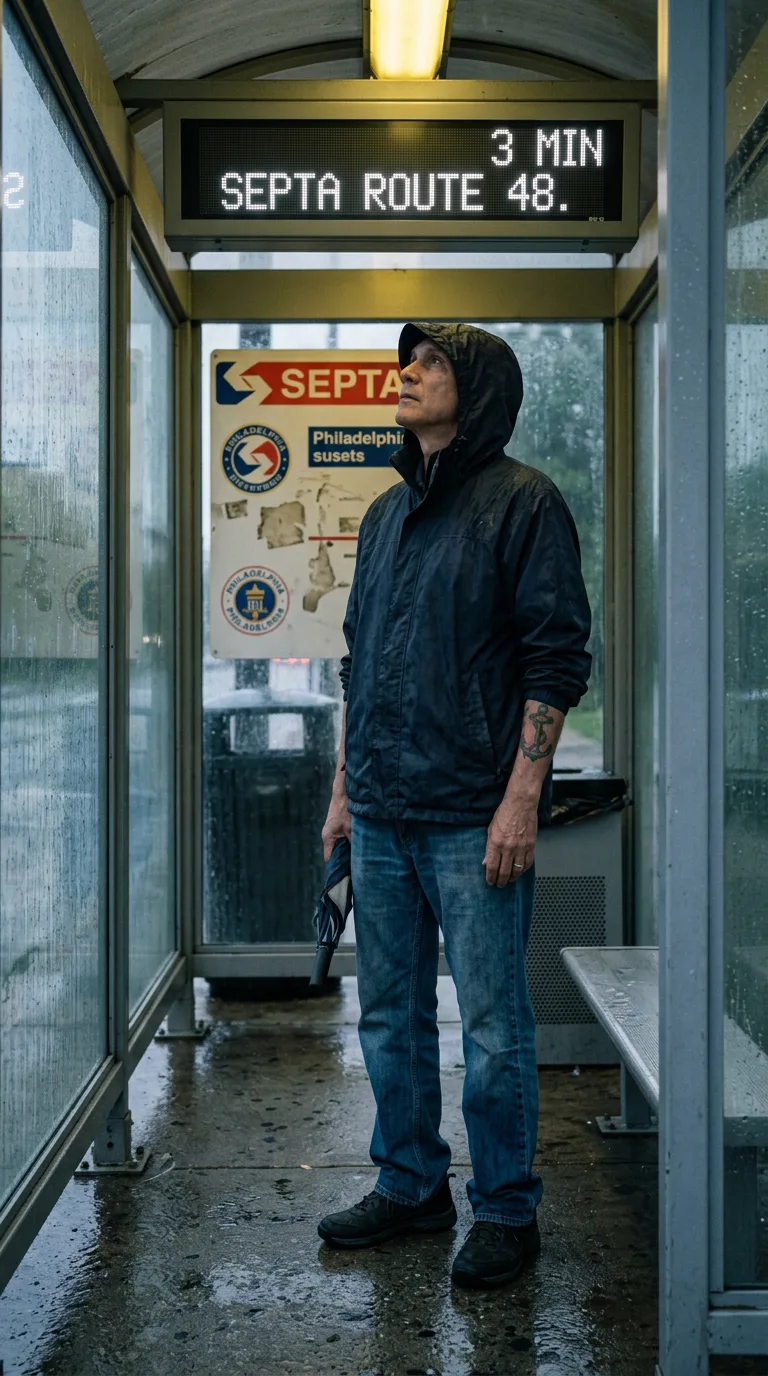
Rarest thing about him: Waiting for a bus in the rain — common, 1 in 39
Season 1seed 955004620 · engine v11
Character card
lineage KEPHG1
His body-swap story
@colby.streeter, wearing Colby Renshaw, rolled the wheel on and woke up as Arturo Ceballos, spent 13 minutes in him, then spun the wheel and woke up as Colby Streeter
Monday, before dawn, Rural Texas. You are standing in Colby Renshaw's kitchen in his boxers, and his phone is face-down on the counter because his girlfriend's name flashed on it twice already and you don't want to know what it says. Five minutes in this one and already you know the whole shape of the trap: dimples nobody can stay mad at, a knee that clicks on the stairs, a truck payment due Thursday, a woman upstairs who loves a man who isn't going to walk back into that bedroom as himself ever again. It's a good body. Blond, strong, thirty-four, the kind of build that opens jars for other people. None of that is the itch. The itch is that you already know everything about him there is to know, and it took five minutes, and there are fourteen more men filed away behind your eyes who took longer to get bored of. You reach for your own phone, the one that isn't a phone, that's a page with a wheel on it, vessel.cards, glowing on the dead man's — no, the living man's — kitchen counter, and you spin before the coffee maker finishes.
The rain arrives first, straight down onto an upturned face, and you are that face. Water in the eyes, water past the collar, the particular indignity of a hood shoved back on purpose. A bus shelter light behind you the color of an old bruise. Something in your hand — an umbrella, closed, useless, forgotten. Your knees ache in a way Colby's never did. You are standing in a runoff of Philadelphia gutter-water in a body that has stopped flinching from cold a long time ago, and the sign above you says 3 MIN and you are not looking at it anymore.
The jacket is what opens first — teal nylon going dark at the shoulders, and under the touch of it comes a Sunday, a closet, a hand — his hand, not yours yet, not really yours ever — pulling this same jacket off the same hook for eleven years running because his wife bought it and he never told her he didn't love the color. Rosa. Her name comes with the jacket the way weather comes with a season, no effort, just there: forty years married in October, her hip replacement two winters back, the sound she makes clearing her throat before she says something she's rehearsed. Under that, older, softer-edged: a woman before Rosa, a summer on the Jersey shore, salt in someone's hair, a fight in a car that ended a thing that should have ended slower. Elena. He has not said her name out loud since 1987 and it still sits in him like a coin in a shoe.
The jeans, wet through, give up the mornings — how he stands to put them on now, one hand on the dresser because the knee doesn't trust him free-standing anymore, how that never used to be true and now simply is, the way weather is. The tattoo on the forearm answers the rain running over it: an anchor, faded to the blue-green of a coin left in a fountain, needled into him at nineteen in a shop three blocks from a recruiting office he never walked into, for reasons that made sense once and now just make a good story at his daughter's kitchen table. Two kids. A son who calls Sundays, a daughter who doesn't call enough and feels it. Money enough put by that Rosa doesn't have to ask him twice for anything, though she still does, out of habit, out of love.
His hand finds the vape in his jacket pocket without being told to — thumb knows the exact weight of it, the exact click — and doesn't bring it out, because some habits outlive the want for them. Under the pocket lining, worn soft: a folded receipt he keeps for no reason he could name, from a bar he doesn't drink at anymore, three years sober and proud of it in the quiet way that never gets said aloud at dinner. His fingers, still, start to drum against his thigh — not nerves, just what they do, always have, since before Rosa, since before Elena, a rhythm with no song attached to it, older than any woman he's loved.
The bus groans somewhere down the block, and you don't turn toward it. You lift your hand out of the rain and look at it — long fingers, a plain gold band riding a knuckle swollen enough now that it will never come off again, silver hair plastered flat when you push it back with the same hand.
You say, out loud, to no one, to the rain, to whatever's left listening: "Feels like somebody else's turn to wait for the bus."