Andre Whitfield
Fictional. Generated by AI — not a real person, and no likeness of one is intended.
44, operations manager in Detroit · rolled by @connor.waskiewicz · card — no film
History
who has worn him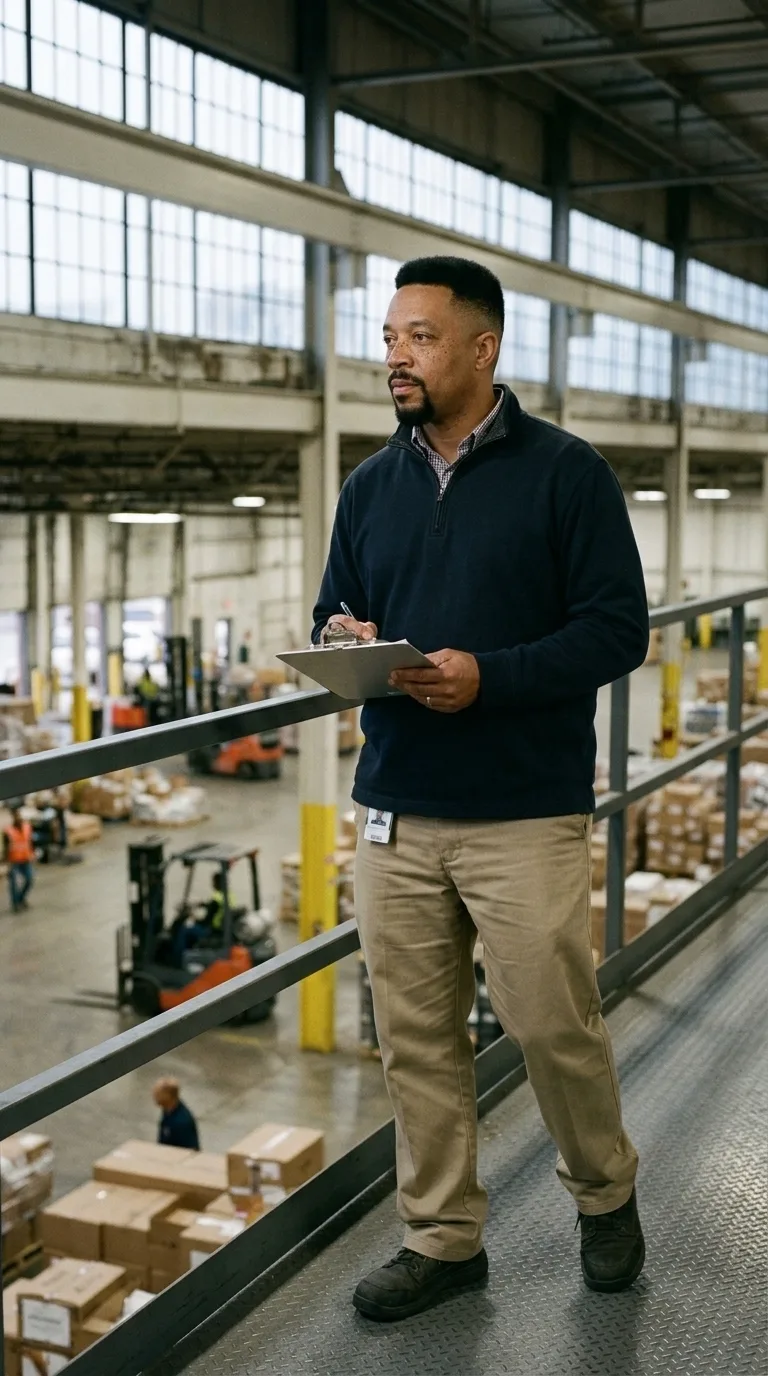
Rarest thing about him: Detroit — common, 1 in 44
Season 1seed 1299582126 · engine v11
Character card
lineage 2NZHHJ
His body-swap story
@connor.waskiewicz, wearing Lionel Pettiford, rolled the wheel on and woke up as Andre Whitfield, spent under a minute in him, then spun the wheel and woke up as Daniel Cheung
Lionel Pettiford's knees are the reason, or that is what I would say if anyone asked. Sixty-three years of knees. I stand at the top of his basement stairs in the dark with one hand on the rail, and the stairs are a problem I have been solving for a day and a half. Down, then up. Down, then up. His wife sleeps above me. The coffee maker ticks in the kitchen. I could stay in him and be sorry for his body forever, and it would be a decent life. But I am standing here with the phone already in his hand, and the page is already open, and the wheel is already turning under his thumb. His thumb is thick and slow, and I hate that, and I am glad of it, because it is the last thing of his I will feel.
Then I am on a steel walkway with a clipboard against my ribs.
A pen is moving in my right hand. It makes a tick on the page and then a wrong mark, a slash where a check should be. My hand stops and goes back and makes the check properly, slowly, a man doing it right. Then the next line, and the next. Ten of them, each one looked at after. Below me the floor is huge and bright, forklifts crawling orange between walls of cardboard, and the air tastes of dust and tape and cold concrete. High windows are gray with a sky that has not decided to be morning.
The first thing that comes is the rail. My left forearm rests on it, and the cold steel gives me a winter: a man leaning here years ago, new to the job, afraid of the size of the place, telling himself he would learn every inch. He did. The feeling is pride with the fear still in it.
The clipboard next. Its clip is worn smooth where his thumb goes, and through it comes a drawer at home, a stack of them, three kids' school forms signed on this same hard backing in a parked car. A daughter's handwriting on one. Tired love, the ordinary kind.
The sweater. It is soft and heavy, navy, with a zipper at the throat, and when I breathe it gives me the morning. His wife's hand straightened the collar of the shirt beneath it in a dim kitchen and said something low about the cold. He had laughed. He pulled the sleeves down over his wrists, one and then the other, and found the khakis on the chair where he'd left them. There is a faint ache in his lower back that he has had since the third kid was born and carried the car seat. It is mine now.
The ring is the last thing. When I turn my left hand against the rail it clicks on the steel, and a woman comes up out of that sound. She is not his wife. She is young, laughing, years ago, on a porch in some other summer, and what he feels is not wanting but a gentle, unfinished fondness, like a house he drove past once and never entered. He keeps it. Nobody knows he keeps it.
I look at my hands. They are brown, broad across the knuckles, steady, the ring bright. I turn them over. They know this work. They are not mine and they do not ask.
I lift my eyes to the floor, the lights, the long gray morning in the glass.
"All right," I say, in his low voice, tasting it. "Let's see how long."
Under it, quiet as the forklifts, the question starts again: how long before I want something else.